 WeeklySA_Admin
REMEMBRANCE: The Tsietsi Mashinini Foundation and TECSA have launched a year-long programme to commemorate the 50th anniversary of the Soweto Uprising, announcing cultural, economic and memorial events set for 2026…
By WSAM Reporter
Grand plans for next year’s milestone commemoration of the 50th Anniversary of the 1976 Soweto Uprising were unveiled on Tuesday during a media briefing at the June 16 Memorial Acre in Central Western Jabavu, Soweto.
The Tsietsi Mashinini Foundation (TMF) and the Township Economic Commission of South Africa (TECSA) used the gathering to announce a strategic partnership that will anchor the programme under the banner: “Road to the 50th Soweto Uprising Anniversary – Commemoration & Celebration”.
The briefing, attended by community members, civic organisations and other stakeholders, saw TMF’s Dee Mashinini and TECSA president Bheki Twala outline a comprehensive calendar of events that will unfold throughout 2026 in honour of the iconic student revolt that altered the course of South African history.
The programme will begin on 27 January 2026 with the public birthday celebration of student leader Tsietsi Mashinini. It will be followed by a gala dinner on May 20, the annual Tsietsi Mashinini Lecture and a cultural cleansing ceremony on June 13 to 14, and a large commemorative march and memorial wall unveiling on 16 June, the date on which the uprising began.
Dee Mashinini, younger brother of Tsietsi, revealed that the foundation had been planning the commemorations for two years to ensure that the programme reflects both dignity and community ownership. Among the symbolic acts planned is the slaughtering of a white lamb as a gesture of cleansing for the 530 children who died during the 1976 student protests.
He also announced that the traditional march to Orlando Stadium is expected to culminate in an address by the President of South Africa. A major memorial wall bearing the names of victims will be erected within the precinct of the June 16 Memorial Acre, a gesture Mashinini described as “giving back to the families whose children paid the ultimate price.”
Mashinini emphasised that although the foundation initiated the plan, “the event belongs to the people of Soweto.”
Aligning its role with TMF’s commemorative objectives, TECSA outlined its economic and youth-activation mandate for the anniversary. Twala said the commission aims to mobilise 50 000 young people from 50 African countries and beyond, positioning the programme as a continental bridge for empowerment, collaboration and township economic revival.
“Our message is simple: come and sit at the table with us,” Twala told the audience, noting that the commemoration offers a unique space for partnership between business, government and civil society.
Both Mashinini and Twala confirmed that government and corporate partners have made financial commitments and expressed confidence that support will be delivered in time to ensure seamless execution of all planned activities.
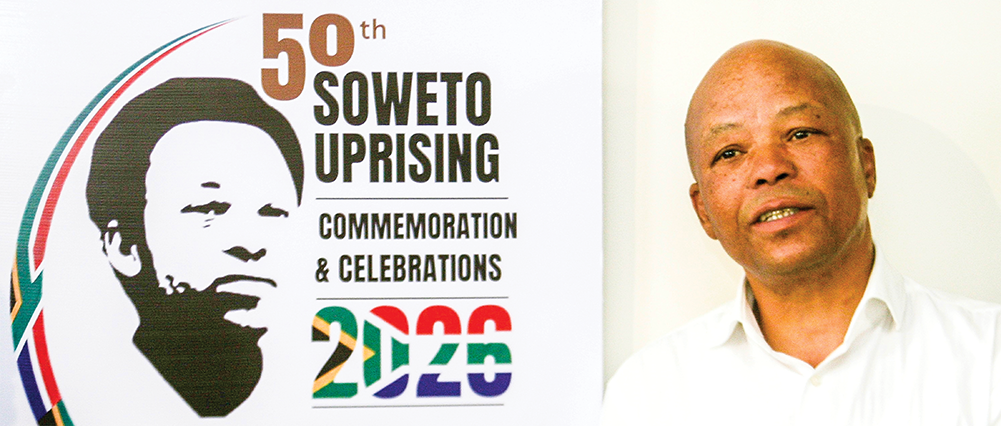
The media briefing concluded with a formal signing of a memorandum of understanding between TMF and TECSA, and the unveiling of the official 50th anniversary corporate identity — a bold emblem featuring Tsietsi Mashinini, the Orlando cooling towers, the South African flag and the inscription: “50th Soweto Uprising Commemoration & Celebrations 2026”. Attendees later gathered for a group photograph around Tsietsi’s statue.
Relentless Youth Leader
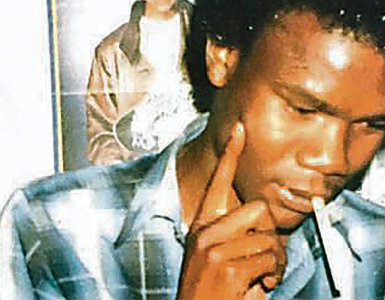
Tsietsi Mashinini, born in Central Western Jabavu, near Morris Isaacson High School, emerged as the charismatic student leader who ignited the June 16 protests against the imposition of Afrikaans as a medium of instruction in black schools.
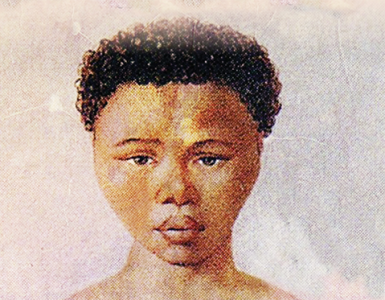
Known for his fearlessness, he led anti-gang efforts in his neighbourhood and once eluded police surveillance by disguising himself as a girl to escape the school grounds.
Influenced by the Black Consciousness philosphy, Mashinini drew attention from leaders such as Steve Biko, who once visited him at night — acts of courage that often unsettled his parents, who feared for his safety.
Mashinini died in exile in Guinea in 1990 under mysterious circumstances at the age of 33. He would have turned 69 on January 27 2026.
His family’s profound role in the liberation struggle is captured in Lynda Schuster’s book ‘A Burning Hunger: One Family’s Struggle Against Apartheid’, which observes: “If the Mandelas were the generals in the fight for black liberation, the Mashininis were the foot soldiers.”
The 50th anniversary programme aims to honour that legacy — and reconnect a new generation of young South Africans with the spirit of courage, defiance and unity that defined the class of 1976.