 WeeklySA_Admin
Racket: Criminal networks linked to foreign agents strip the metal from roads, homes, construction sites and mains, crippling infrastructure…
By Monk Nkomo
South Africa’s massive copper theft is a billion-dollar criminal enterprise fueling the rampant plunder of the country’s infrastructure and backed by sophisticated networks involving an army of foreign agents.
The spike in the nationwide theft of copper cables is directly linked to the increase in demand for copper worldwide – which drives the spiralling crime currently wreaking havoc on the country’s service delivery and already ailing economy, in turn, bedevilled by widespread corruption and rolling electricity blackouts caused by both loadshedding and the wanton plunder.
The phenomenon is contained in the latest report by The Global Initiative Against Transnational Crime (GI-TOC) investigating led by Jennie Irish-Qobosheane, which indicates that extensive damage is estimated at billions of rands and driven by large-scale theft of copper cables by criminal networks w now entrenched in this lucrative market.
These criminal elements were stripping copper from wherever they could find it, causing untold damage to crucial hospital services and putting patients’ lives at risk , railway lines, telecommunication and internet services. The theft of copper cables also negatively affected mining operations and posed life-threatening risks to miners because the theft sometimes caused fires underground.
About 150 000 tons of copper scrap is legally traded in South Africa each year, with a value of nearly R10 billion. Most of it is sold on the local market with a smaller percentage – about 13 percent – exported to other countries. Some scrap metal dealers or recyclers involved in the illegal export market are part of sophisticated networks with links to foreign agents, local forwarding and clearing agents and international buyers.
Scrap metal dealers involved in this illicit trade have been likened to a snake whose head had to be crushed to completely destroy this sophisticated network costing the country billions of rands in lost revenue.
The criminal syndicates comprising armed groups have honed their skills and methods used to plunder thousands of kilometers of copper cable infrastructure. They have become sophisticated in planning and coordination, much like military operations.
Criminal actors were involved at different levels in the theft and selling of this commodity which is widely used in modern economies and infrastructure. Copper is also corrosion resistant and can be recycled repeatedly without any loss of performance.
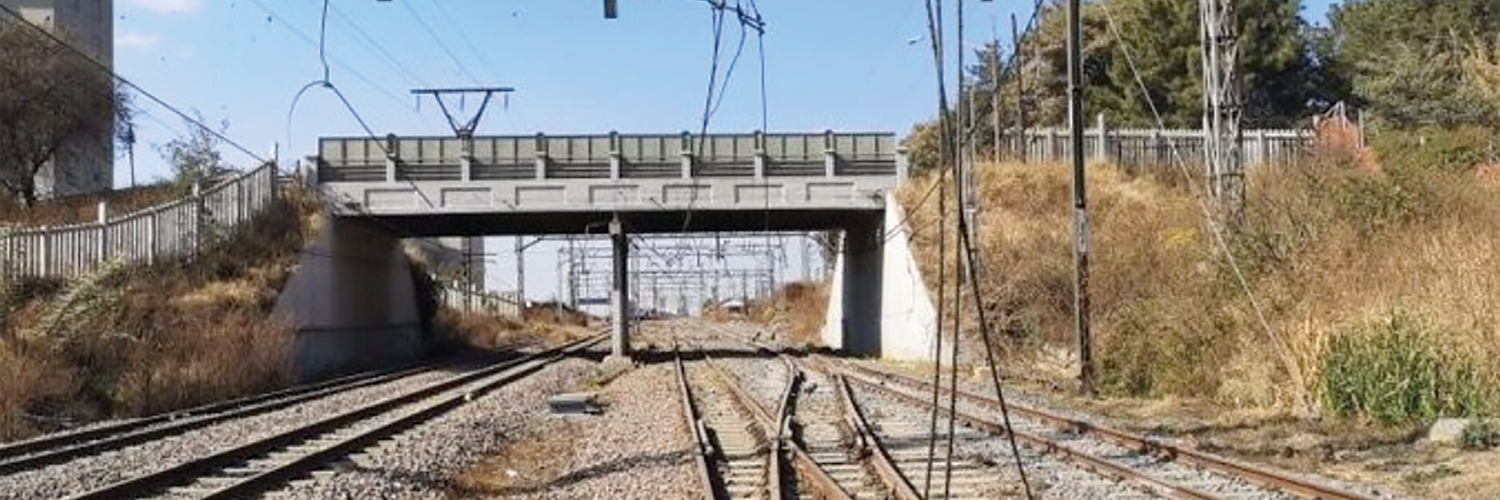
Copper theft has extensively damaged railway lines leading to train accidents. The racket has also disrupted telecommunications and internet services throughout the country. In 2021, State-owned enterprises, Eskom, Transnet, Telkom and the Passenger Rail Agency of SA (Prasa) experienced cumulatively combined losses of about R7 billion with an estimated R187 billion in associated losses to the broader economy due to copper cable theft and vandalism.
The three companies identified nearly 11 000 incidents of cable theft per year from 2018 to 2022, for which only 1200 suspects were arrested, resulting in 580 cases and 40 convictions. The low-conviction rate has been attributed to trial delays and backlogs.
Transnet’s freight division, Transnet Freight Rail, claimed that copper theft from its rail network had increased by 177 percent in the past five years. Thousands of meters of cables were stolen in 2010, resulting in the cancellation of about 20 trains a day. Telkom recorded 1 321 cases of copper cable theft from January 2017 to November 2023.
Copper cable theft also caused havoc in the Western Cape, with reports that the incidents were crippling the infrastructure because the cost of repairing street lights was about R2 million a week. eThekwini municipality in KwaZulu-Natal lost about R120 million between July 1 2022 and June 30 this year due to copper cable theft. The municipality was reporting an average of 80 of these cases a month to the police.
The crime also had a negative effect on critical services including water supplies and healthcare at hospitals and clinics. The Gauteng Department of Health lost R5,4m to copper theft and fires between April 2021 and April 2022.
City Power
Cable-theft damage to electricity supply has not only increased the costs incurred by national and municipal power utilities, but has also placed an additional burden on businesses , residents and service providers. The Johannesburg power utility, City Power, recorded 444 cable theft cases between December 2022 and February 2023. The cost of repairing cables stolen between July 2022 and February this year was R380 million.
The GI-TOC warned that unless the copper cable theft is quickly resolved, South Africa’s National Infrastructure Plan 2050, which identifies infrastructure development as critical to addressing long-term economic and social goals, would be a pipe dream.
‘’ A 2022 report by the Global Initiative Against Transnational Crime assessing the risk posed by organised crime in South Africa, found that the country’s critical infrastructure was at a ‘tipping point’ after years of chronic mismanagement and rampant theft, and identified copper theft as a contributing factor.’’
According to the GI-TOC report, low-level corruption associated with copper theft may involve syndicates paying bribes to security or low-ranking officials for information or to simply turn a blind eye to the theft.
Corrupt justice
“Many of the syndicates involved in copper theft also use corrupt actors within the criminal justice system to protect themselves from detection and prosecution.’’
The report also noted that copper theft was a global problem with governments and law enforcement agencies working very hard to reduce its impact.
Several countries in Africa including Zambia, Kenya, Uganda, Sierra Leone and Tanzania, have banned the exporting of copper and other non-ferrous metals.
While the police have been involved in a significant number of seizures of stolen copper, and, between 2021-2022, police confiscated 72 tons of illicit copper of which nearly 52 tons was copper cabling.
In June 2022, Police Minister Bheki Cele, announced they would be introducing multidisciplinary, economic infrastructure units. Meanwhile, police had formed 20 task teams which arrested 1 946 suspects for infrastructure theft in 2022.
COOPERATION WITH THE INTERNATIONAL WORLD NEEDED TO COMBAT COPPER THEFT
The transitional nature of the illicit scrap copper trade requires greater international cooperation between South Africa and international destination markets.
A lack of capacity to police South Africa’s ports adequately, meant that containers often left the country without being properly inspected, making it relatively easy for dealers to export mislabelled goods undetected.
The networks and criminal actors involved in copper theft have become more sophisticated and have shown that they are able to adapt their operations at a speed significantly faster than the State, according to The Global Initiative Against Transitional Organized Crime.
The foreign buyers and actors at the top of the supply chain fueled the stolen metal trade. The transitional nature of this supply chain and the networks involved would require both intergovernmental cooperation between various criminal justice agencies, South African Revenue Service (Sars) and other relevant bodies and the commitment and cooperation of government and law enforcement agencies in the countries receiving the stolen copper.
Policing has largely focused on the lower levels of the supply chain and as a result, has not been able to meaningfully affect the transnational organization networks that run the trade. Some of the newly introduced policy measures could have significant impact if they are effectively implemented by the relevant government agencies. ‘’However, these measures need to be backed up by strategic and targeted investigations of key players.’’
The report noted that the theft of copper from South Africa’s infrastructure was having a devastating effect on service delivery and the country’s economy. As the international demand for copper had increased, so had the theft. ‘’ Given this link and the fact that the global demand for copper is likely to increase, serious action is taken to address the networks involved, the outlook is not good and the problem is likely to grow.’’
Within the stolen copper market, copper passed through many hands and criminal control is hidden behind a network without the supply chain. While there were many actors involved at the lower level of the trade, they relied on a limited number of high-level actors. These high-level actors not only had the capacity and resources to move copper up the supply chain, but were often able to disguise their involvement within seemingly legitimate trade.
The Metal Recyclers Association (MRA), which is attempting to take a leading role in implementing standards and introducing a degree of self-regulation into the industry, have about 3000 registered metal dealers and recyclers but they only represented about 78 members who owned 150 scrapyards. This posed a challenge not only because most registered dealers were outside the MRA’s jurisdiction, but also because while the association could endeavour to regulate its members, the burden of regulating the industry fell solely on the police.