
 WeeklySA_Admin
SUSTENANCE: Many farmers cannot cover stifling costs on account of low prices paid by the Swiss food giant for many years, charges advocacy group…
By Monk Nkomo
Millions of farmers and workers in coffee-growing regions in Brazil and Mexico and across the world were exploited and paid starvation wages by Nestle, one of the world’s largest food and beverages company, Nestle, which earns a quarter of its revenue from coffee, investigations by Public Eye News has revealed.
A new report about ‘’ Nescafe’s soluble promises’’ highlighted the alleged glaring discrepancies between Nestle’s purely profit-oriented purchasing policies and the effective advertising appeal of its sustainability rhetoric.
‘’ Our most important finding is that the Nescafe Plan has not improved the incomes of the farmers. On the contrary, many of them can barely cover their costs given the low prices that Nestle has been paying for many years.
Millions of farmers and workers are very far away from earning a living income, not only in two important coffee-growing regions, but also worldwide.’’
During investigations, the Public Eye News said they established that farmers in the Brazilian State of Espirito Santo and in the Soconusco region in the State of Chapas in Mexico, were abused and earned meagre wages.
Nestle, which is based in Vevey in Switzerland, is the world market leader and earned a quarter of its revenue from coffee.
‘’ The workers on the plantations earn starvation wages and in Espirito Santo , there were often serious accidents because the harvesting machines, which weigh several tons, had serious safety deficiencies and were normally not fitted with the necessary safety equipment’’.
Investigations also revealed that the imbalance of power between international companies like Nestle and the producers of their raw materials, was continuing to increase. While Nestle continued to generate large profits from the coffee business, the situation of producers had hardly improved.
With its Nescafé Plan, which was launched in 2010, Nestlé promised to improve the lives and the incomes of hundreds of thousands of people working on coffee farms. Research by The Public Eye News in Brazil and Mexico however, showed that many of the coffee farmers taking part in the sustainability programme, could not make ends meet on the low prices paid by Nestlé.
Voluntary industry or company initiatives of this kind did not go nearly far enough in combating the widespread poverty among coffee growers.
Switzerland, which played a particularly powerful role in this sector, has been urged to introduce stronger regulation on a political level to ensure that Nestlé and other coffee companies took their global responsibilities seriously.
On its Nescafé website, Nestle promises to “use its global scale for good”. For example, from next year it intends to sell only “responsibly” sourced coffee. The most important component of this strategy is the Nescafé Plan, launched in 2010. According to Nestlé, it has improved the income of countless coffee producers by means of training courses and providing free plantlets.
In addition, because it has 4C certification, it also guarantees environmentally, socially and economically sustainable coffee.
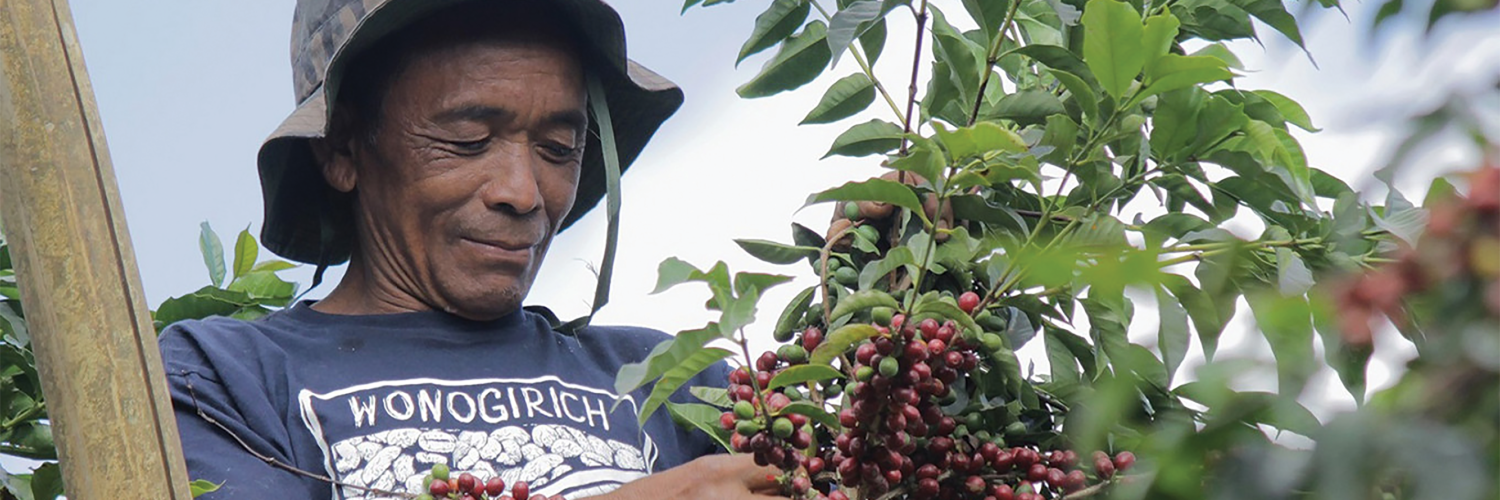
The Public Eye News revealed that in the Brazilian state of Espírito Santo and in the Soconusco region in the state of Chiapas in Mexico, they had seen – on the ground – that the flagship programme had barely brought any improvements to the lives of the people living there. Very few checks were performed on the (minimal) requirements of the 4C standard and even fewer of the requirements were actually implemented.
‘’ But our most important finding is that the Nescafé Plan has not improved the incomes of the farmers. On the contrary, many of them can barely cover their costs given the low prices that Nestlé has been paying for many years’’.
Last week, the industry and the Swiss State Secretariat for Economic Affairs (SECO) launched the Swiss Sustainable Coffee Platform (SSCP), yet another voluntary platform for dialogue. This multi-stakeholder approach left Switzerland, which played a dominant role in the global coffee market, lagging far behind international developments.
‘’If we are to effectively address the abuses in the coffee sector, political measures are needed that will require companies to respect human rights – including the right to living incomes and wages – and to comply with environmental standards. One such measure is the EU Corporate Sustainability Due Diligence directive which was adopted in May’’.
In order to counter the worsening crisis affecting coffee production, including the impact of climate change, regulations were urgently required to ensure global coffee companies operating in a booming market assume this responsibility and paid the producers prices that enabled them to live a decent life.