 WeeklySA_Admin
THESPIAN:A taste of a true account of events as it rolls off the tongue of a great storyteller in the ilk of gorgeous songbird Louw…
By Gugu Sibiya
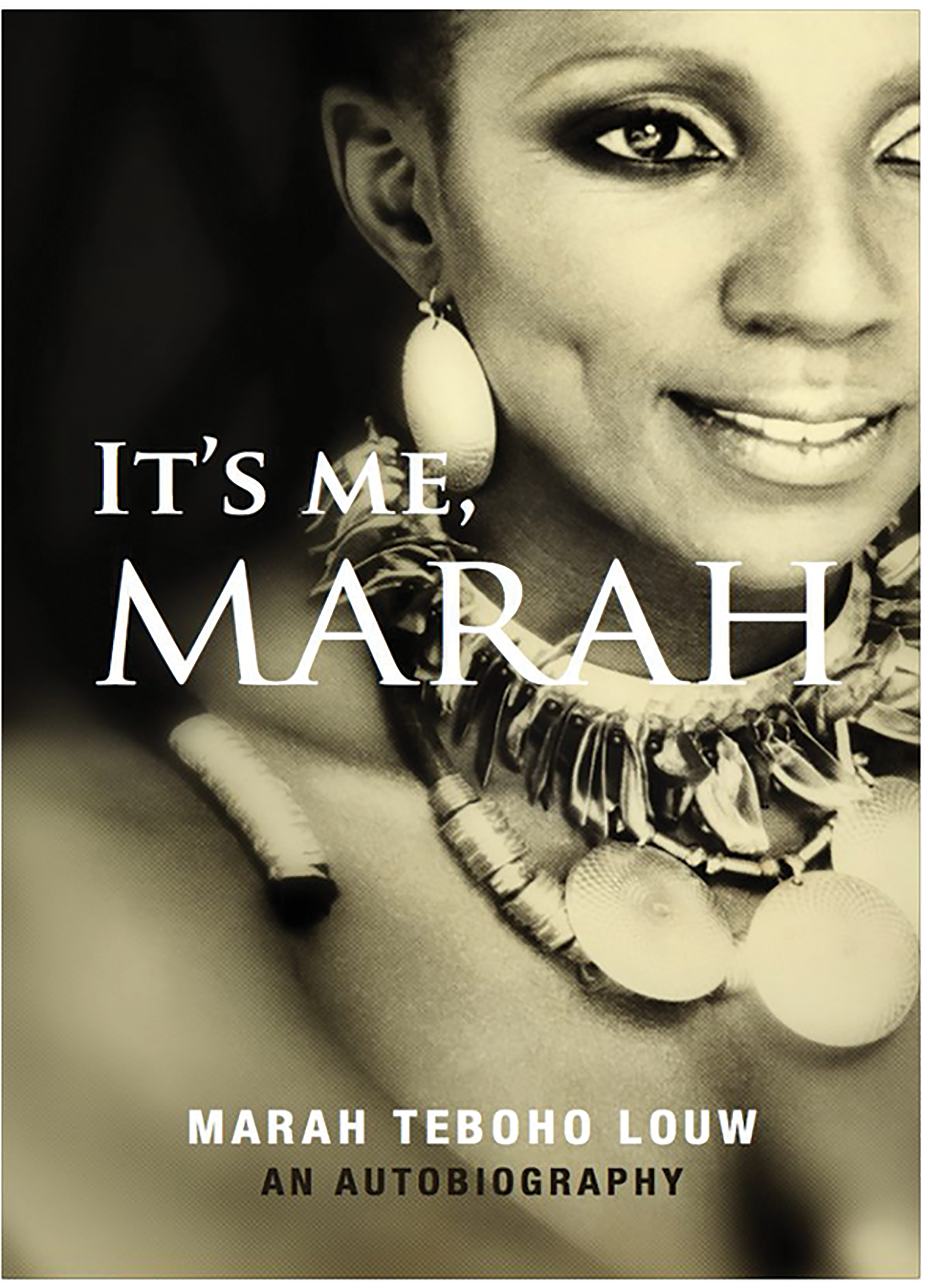
Singer, actress and author Mara Louw is fast and furiously working on the second edition of her biography, It’s Me Marah.
The biography will only evoke curiosity about the veteran entertainer while drawing the beholder to her timeless beauty on the cover.
“I wrote the biography to tell my story, in my voice and the way I’ve experienced life. All the people I’ve written about, are named. Not to shame or offend them, but shed light on the role they played in the season they were with me. It lends credibility to the story. If anybody feels misrepresented, let them tell their own version,” she says, making it clear that there are no holy cows in this book that was among The Best Top Selling Books, at Black Bird Books (Jacana). Her ability to tell a good story was recognised and taken to another level by Afropolitan magazine.
“I was privileged to be given a centre-spread for ‘My Idols’ column. It enabled me to profile heavyweights like Zakes Mokae, Hugh Masekela, Miriam Makeba, among others. It was a fulfilling, but unsustainable project, because of my hectic schedule of filming, musicals, cabarets, judging at Idols and globe-trotting. Before this, I had a column in Ebony SA magazine. I suppose that’s where the seed was planted and sealed at Afropolitan for penning my biography.
Currently on SABC 2 screen with Muvhango on rewind to the first episode of Muvhango, which premiered in 1997.
“I was so surprised to see myself crying my heart out on the scene where all hell breaks loose as we’re about to bury my husband. As my own critic, I’m amazed at how the director allowed me to go on and on with the flood of those tears” she says, chuckling.
“I was on Muvhango from Day One, enjoying the role. I’m proud that I gave my all. It was fascinating to play Catherine. To this day some people still call me by that name. It was a learning curve, from my musical background to TV,” marvels the actress, who was at that set for a remarkable 10 years.
“My first overseas trip was to Japan as part of Meropa musical cast in 1973. We spent 1974 in London, in the UK. Travelling the world was living my dream. Lots of musicals, including Fame at the State theatre in Pretoria; Hair Spray at the Lyric Theatre in Sandton; and Birnam at the Civic Theatre followed.
“I love live audiences because I feed off their energy. Besides, the feedback is immediate. You know exactly when they’re eating out of the palm of your hand.
“In all my travels I hadn’t been to the USA. So, in 1982, when I got two songs to rehearse since I’d be recording them in America, I was disappointed when the deal fell through. However, in between I was very excited to shoot the film Taxi To Soweto. I worked alongside brilliant actors in the late Ramolao Makhene and Patrick Shai,” she says with awe.
The singer, who wears many hats, says music is her first love. A love that has opened so many doors for her, like joining luminaries like President Nelson Mandela, Miriam Makeba and Desmond Tutu, who’ve got roses named after them.
“You can imagine how excited I was to have the Ludwig rose named the Mara Louw rose. What an honour! It is used mainly for fundraising purposes,” explains the goodwill ambassador for the Johannesburg Child Welfare Society.
Undeniably blessed with a powerful, melodic voice that effortlessly straddles genres. Her eclectic repertoire has mesmerised crowds at festivals, but mostly at cabaret shows on the African continent and overseas.
“I love cabaret because of its intimate setting. However, it’s a new dawn where attention has shifted to DJs. Thank God for corporate gigs and bookings from those who enjoy my sets,” the Soweto lass, states as a matter of fact.
A gender-based violence survivor, Louw spends a lot of time with other survivors and those struggling with indecision about living.
“I lived with a man who beat me to a pulp for 12-years before gathering the courage to leave. I loved him even when he clobbered me days before my trip to Zambia for my cabaret gig at a prestigious hotel. I lost a couple of teeth, had black eyes and performed in sunglasses. We can support and advise but leaving is their decision.
My question to women is, “why do we stay”, the star asks rhetorically. Indeed, a million-dollar question that many victims may never get to answer as they have since demised from the hand that once caressed them lovingly – and some, still alive, are too consumed by the vicious cycle of the violence to be able to gather their senses or pause so they can break free.