 WeeklySA_Admin
Interventions: gnu committed to reducing poverty and high rate of unemployment, says Ramaphosa…
By Monk Nkomo
Political parties within the Government of National Unity (GNU) have made a firm commitment to set aside their political differences to reconcile the nation and pursue the path of cooperation, growth, social justice and equal prosperity for all.
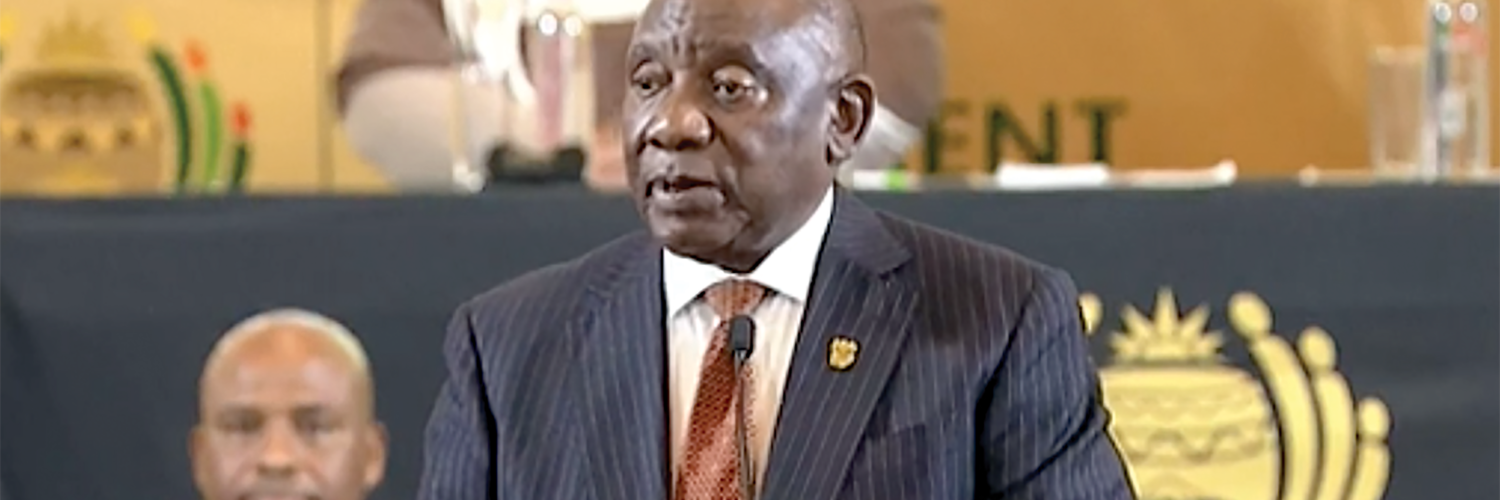
In his Opening of Parliament address this week, President Cyril Ramaphosa said these parties had also made a commitment to respect the Constitution and the rule of law and to promote accountability, transparency, integrity and good governance.
South Africans, he added, shared a common destiny and the GNU had been charged with the responsibility by the electorate to consolidate, unite and overcome the severe challenges that confronted the nation. Parties in the GNU had agreed to craft a common programme to build a better, more equal and more just South Africa.
‘’ Without unity and cooperational partnerships, our efforts to end poverty, unemployment and inequality will not succeed’’, Ramaphosa said.
Despite the achievements of 30 years of democracy and the work undertaken over the last five years to rebuild the country’s economy and the society, millions of South Africans remained poor, unemployed and lived in a highly unequal society. For almost a decade and a half, South Africa’s economy had barely grown.
The GNU had resolved to dedicate the next five years to actions that would advance three strategic priorities which would include the drive for inclusive growth and job creation; reduction of poverty and tackling the high cost of living and to build a capable, ethical and developmental State. The GNU had also placed inclusive economic growth at the centre of their work and at the top of the national agenda.
The Cabinet would be convening a further strategy session to consider the Medium-Term Development Plan, which would translate these priorities into a detailed plan and interventions that the government would implement over the next five years.
The Medium-Term Development Plan would set out a well-defined vision and strategic plan that outlined clear goals and included specific, measurable objectives and a roadmap for achieving them. These goals would be properly aligned with the Budget, which would support the implementation of these objectives.
The circumstances of the South African people today required that political parties acted together as the GNU and all key role players in our country with great urgency, boldly and decisively.
Ramaphosa promised that they would :
* continue to protect and uphold the hard-won rights of workers and continually strive to improve the conditions in which they worked and lived;
* affirm the position of women and youth in the economy;
* remove the social, economic, cultural and other barriers to the full participation of persons with disabilities and other vulnerable groups in the economy;
* support the growth of rural enterprises and invest in public infrastructure in under-serviced areas.
* increase funding to land reform, prioritise the transfer of State land and improve post-settlement support by strengthening the institutional capacity of responsible structures.
Ramaphosa said to achieve rapid, inclusive growth, they needed to fix struggling municipalities. Growth happened at a local level, where people lived and worked.
Our municipalities must become both the providers of social services and facilitators of inclusive economic growth. They must work to attract investment. This approach can encourage businesses to expand and create more jobs in municipal areas. Investors are attracted to areas with reliable and modern infrastructure.
‘’We will put in place systems to ensure that capable and qualified people are appointed to senior positions in municipalities, and ensure independent regulation and oversight of the appointment process. As an immediate priority, we will bring stability to governance in our metros and restore the delivery of services’’.
Ramaphosa was concerned about the poverty that had caused so much suffering among the poor who still had to endure the pain of the high cost of living. Even at a time when many companies were making large profits, millions of South Africans were suffering as a result of rising prices.
‘’As the Government of National Unity, we will look to expand the basket of essential food items exempt from VAT and undertake a comprehensive review of administered prices, including the fuel price formula, to identify areas where prices can be reduced’’.
As a country, the nation also needed to appreciate the impact that a well-functioning and quality education system had on reducing poverty and driving inclusive economic growth. The government planned to focus on achieving universal access to early childhood development, which was a prerequisite for improved learning in later years.
The government would also ensure schools were conducive to education, with enough classrooms, safe and appropriate sanitation facilities, clean water and a daily meal for those who needed it. To ensure that the country produced the skills that our economy needed, the vocational and technical training in schools and post-school institutions needed to be expanded and take a demand-led approach to skills development.