 WeeklySA_Admin
CULTURAL EXPORT: A comprehensive chronicle about the 1970s Swedish pop band’s meteoric rise to a global phenomenon, including the highs and lows that come with fame…
By Jacob Mawela
“I am the Queen and I like to dance,” Queen Elizabeth II once confided to someone regarding her proclivity for 1970s Swedish pop superband ABBA’s discotheque hit, Dancing Queen.
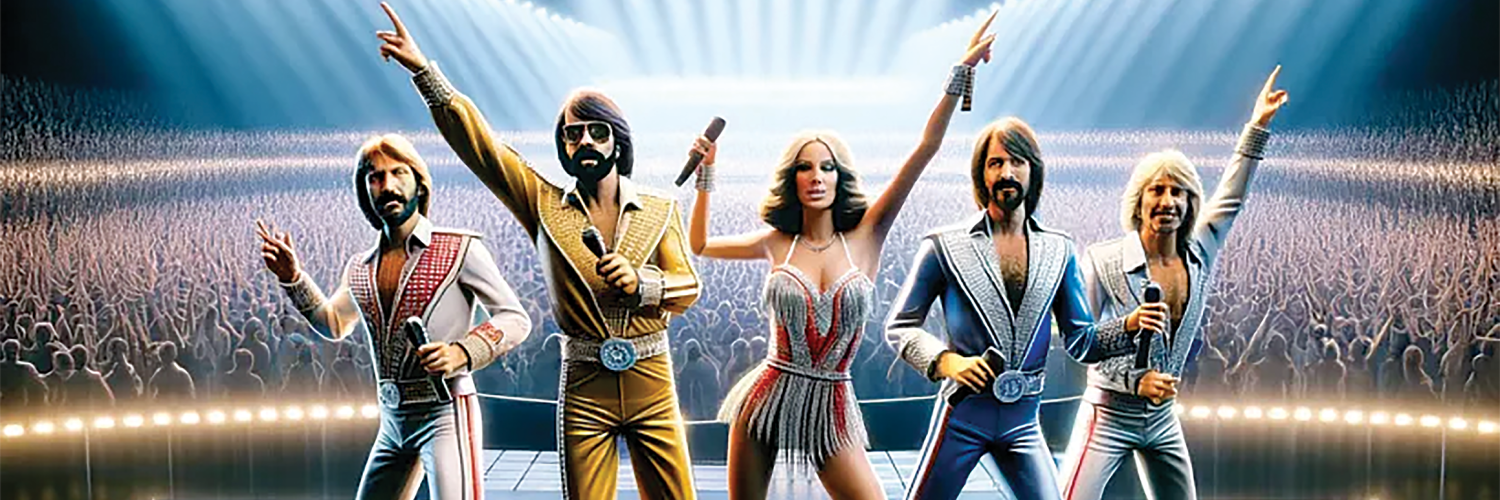
For the unversed, 1974 was the year that Sweden’s biggest cultural export – after its automotive brand Volvo – opened a new chapter in pop history by bursting onto the international stage with their triumphant performance of Waterloo at the Eurovision Song Contest.
The Swedish sensation’s emergence would stage its launch-pad at the contest’s 19th edition held in the English coastal town on April 6 that year. At the time of their triumph, ABBA’s break-seeking foursome were all in their twenties – Agnetha Faltskog 24, Benny Andersson 27 and both Anni-Frid Lyngstad and Bjorn Ulvaeus, 28.
Faltskog – who at the age of 16 already had a hit debut album and at 17, a self-written #1 single – was then the middle-class daughter of a department store manager from the Swedish city of Jongkoping. The blonde of the female half of the supergroup, she had earlier in 1971 married Bjorn Ulvaeus (one of the male half of the outfit) subsequent to the duo having set eyes on each other when their then respective bands collided at a folkpark – in what would become a gigantic Swedish news story!
Andersson – the erstwhile keyboard player and songwriter with Swedish chart act The Hep Stars – was then an engineer’s son from Stockholm who taught himself the piano, toiled at building sites by day and fancied his chances as a rock star by night. He, after meeting future fellow ABBA member, Anni-Frid Lyngstad, backstage at Melodifestivalen (the Swedish national heats for the Eurovision Song Contest), would by 1971 be engaged to her, with the two eventually marrying in 1978!
Ulvaeus – then the erstwhile acoustic guitarist with hugely popular Swedish band Hootenanny Singers – was then the Gothenburg-born son of a naval officer and a nurse, who held a degree in business and law, who would go on to marry Faltskog in 1971.
Along with Andersson, Ulvaeus would become the primary hit makers of the household beats ABBA would become popular for!
Lyngstad – who in 1967 was already the winner of a national talent contest aged 21 – was then the offspring of an affair between a 19-year-old Norwegian girl and a sergeant from the occupying German Wehrmacht during World War II, from Ballangen in Norway who, for her own safety, was swept off to Sweden at the aged of two. Her mother having died aged 21, she would meet her father – whom she’d all along believed was dead – for the first time, aged 32.
The foursome – who called themselves Festfolket (engaged couples) and had in 1972 released a hymn under the name Bjorn & Benny, Agnetha & Anni-Frid, which their manager Stig Anderson proposed they alter to ABBA (an acronym of their first names).
Anderson almost didn’t enter Waterloo for Eurovision since Bjorn and Benny had preferred another song they felt was a contender, with Stig ending up convincing them otherwise by arguing: “if it all goes wrong, you can kill me afterwards!”
The manager prevailed and the rest is history! Known simply as ‘The Business’, the band’s history of global success wouldn’t be complete sans Anderson’s shrewd management. The founder of the Swedish Music publishing company and Polar Music – as well as the writer of some 2 000 songs in Swedish and English – his operations annual revenues would, at their peak, come second only to Volvo’s in Sweden!
Another part of the group’s DNA was a figure regarded as ‘the fifth ABBA’, Michael B Tretow – a sound engineer credited with making the band’s records not to sound like anybody else’s! A purist, he once took it upon himself to mic up a marimba during a listening session to add its sound onto the arrangement of Mamma Mia – in order to set the track alight! The sonic result would become what a reviewer for Rolling Stone magazine described as ‘a greatest hits album in three and a half minutes!’
Narrated concurrently with ABBA’s 42-year retrospective are the lifelong experiences of Giles Smith, an erstwhile pop music critic for England’s Independent newspaper who might as well count himself among the ‘70s “nostalgistes” whom the band’s songs evoke a revisit of their childhoods – enough, in his case, to becoming this tome’s raconteur of the supergroup’s legacy/history!
Commencing from the evening of April 6 1974 whilst he witnessed ABBA’s victory on his family’s television in his family’s suburban home in Colchester, Essex, aged 12, Smith was to immerse himself personally and later as a journalist, in matters ABBA!
If both the author and the Queen’s country it was which served as ABBA’s global launch-pad, England it became that would take to the Swedish band’s cultural infiltration with its capital, London, hosting back in May 2022, the ABBA Voyage concert. The launch was attended by the real foursome – in which none of the members would actually be performing, with the band’s roles being played instead by computer-generated projections of themselves!
Back in 1976 – the year of the release of the 1.56 million-selling single and multinational number one and the first ABBA track to reach a billion streams on Spotify, Dancing Queen, Smith recalls that it was the law to own ABBA’s greatest hits in his neighbourhood of Essex. The affinity would have him, amongst a plethora of crusades he’d undertake for the band’s cause, visiting the ABBA Museum – whose exhibition displays a towel thrown from the stage by Anni-Frid and caught by a legendary ABBA fan during ABBA’s 1979 North American tour – in Stockholm for a special ‘ABBA Day’ in honour of the museum’s 10th anniversary in May 2023.
During the writer’s teenage years, some sort of UK-Swedish synergy extended to 1977 finding future British premier Theresa May dancing to Dancing Queen at the Oxford University Conservative Association disco; 1978 witnessing Swedish tennis grand slammer Bjorn Borg thrashing opponents at Wimbledon, and, some couple of years further, Swedish model and actress Britt Ekland requesting that Dancing Queen accompany her into exile!
Smith mentions an anecdote of mirth about Agnetha involving an Australian journo brazenly enquiring – at an Australian tour press conference – about her being ‘the proud owner of the sexiest bottom in Europe’. The blonde – who in 2000 would be the focus of a Dutch stalker’s lurid attention – would induce guffaws by responding: “I don’t know . . . I haven’t seen it.”
Smith’s is a comprehensive chronicle of – among a myriad of feats – the only winners of the Eurovision Song Contest to have ever been inducted into the Rock & Roll Hall of Fame; one of few Western acts to perform behind the Iron Curtain (in Poland) at the height of the Cold War; a quartet whose track Fernando became the worldwide 10 million copies selling number one hit (including in South Africa); the pop band which in its brief lifespan was treated to the requisite panoply of Beatles-style fan mania, private jets, limousines, gigs etc.
Warm-hearted nostalgia aside, this account also confronts ambivalence jockeying alongside ABBA’s existence as it doesn’t spare it any criticism – which ranged from its dismissal and accusation by the British Guardian newspaper as ‘a computerised retread of all that is commercial’ and having ‘written and repeated formula-winning songs’, to another source casting it as purveyors of tacky bubblegum pop!
Additionally, a rogue phone call to a newspaper once sparked a rumour across the then West Germany that all the members of ABBA, bar Lyngstad, had perished in a plane crash at a West Berlin airport!
“I would still like to know why we had the success we did with ABBA,” pondered Benny Andersson.
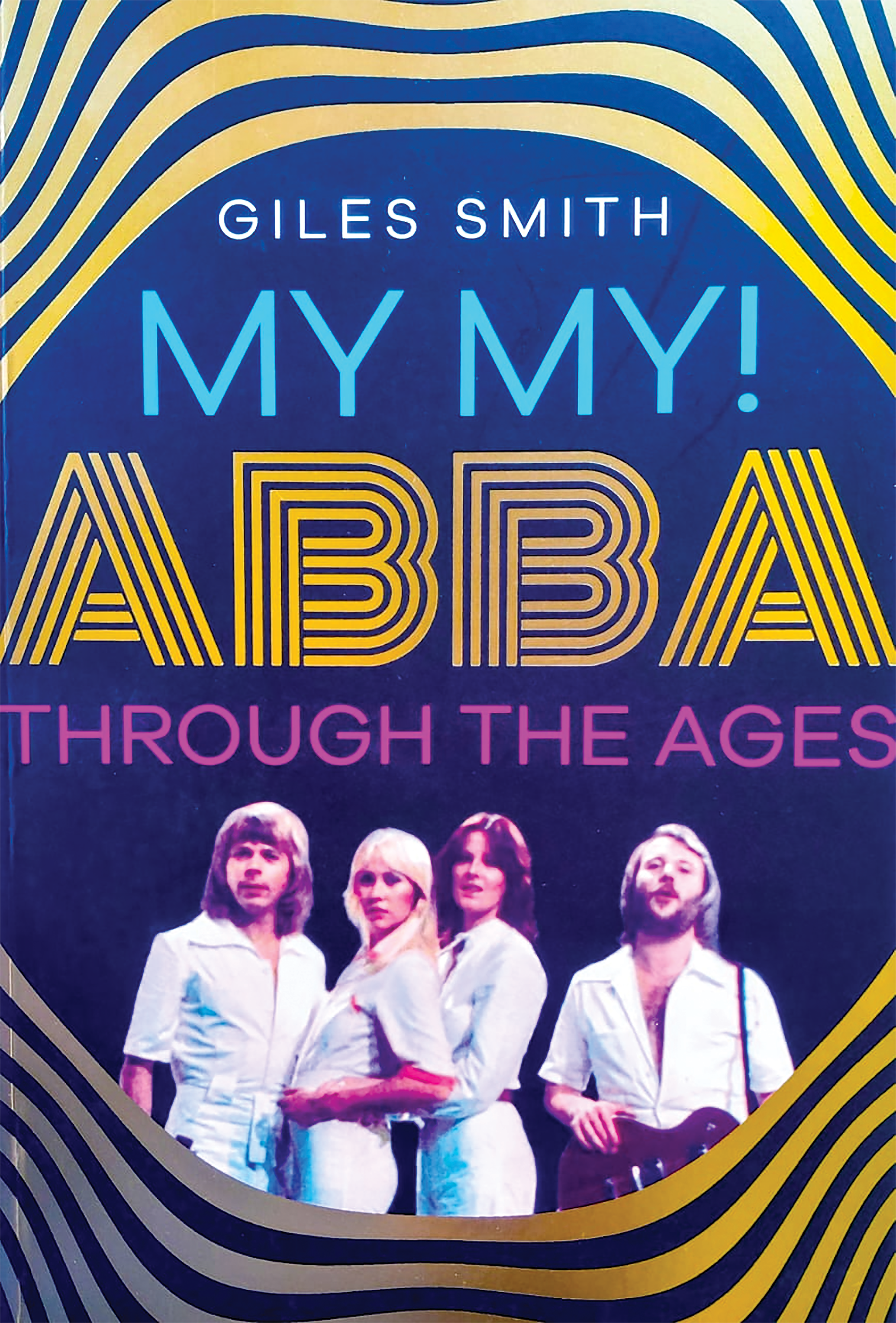
My My! ABBA Through the Ages is published by Simon & Schuster UK and distributed in South Africa by Jonathan Ball Publishers. Available at leading bookstores countrywide, it retails for R440