
 WeeklySA_Admin
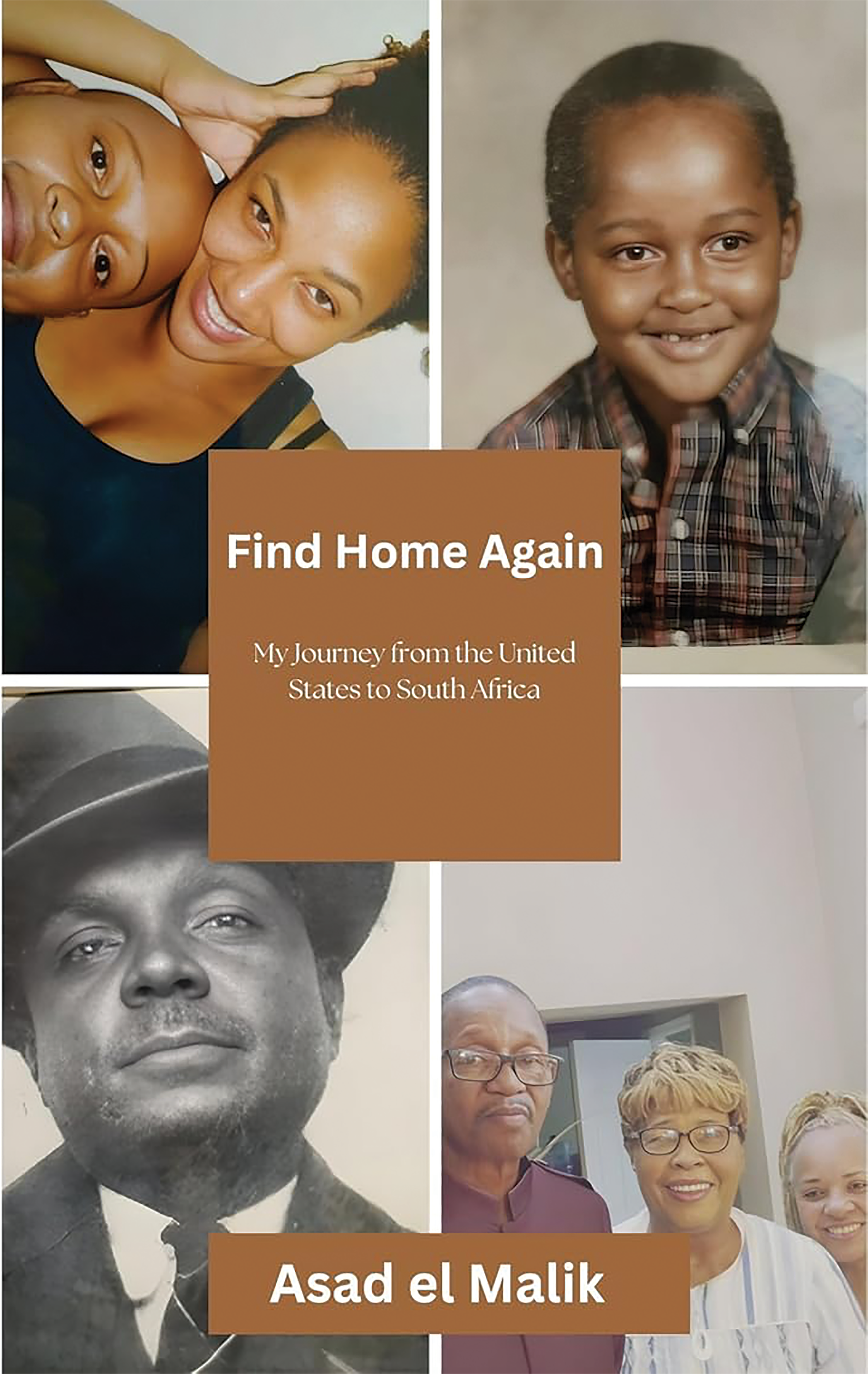
REALITY: “Finding Home Again: My Journey from the United States to South Africa”, a new book by an African-American academic explores the universal human desire for belonging, while also confronting the realities of being black in America…
By Priscilla Malinga
Leaving home in the United States to live in South Africa may not have not been an easy decision for African-American author and academic Dr Asad el Malik, but one that has brought him to close experiencing his own epiphany.
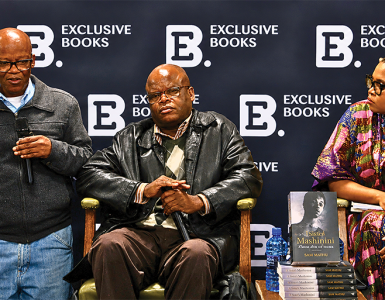
An inter-culturalist researcher with post-doctorate qualifications and author has since penned a book to illustrate his journey through life, which one fateful day in 2006 took a dramatic and ominous turn after Hurricane Katrina washed up about 80 percent of his New Orleans home, leaving many fellow Orleanians displaced and others grieving over the deaths of kin and neighbour in its deadly wake.
Born and raised in the United States of America in New Orleans, a small city with a majority of black Americans, Malik lived with his parents Lionel King, mom Audrey and two siblings.
After finishing matric, he went to study at Dillard University and Columbia International University where he graduated with and MA and later PhD in 2021. His passion to write started at a young age when he pursued his love for poetry and started writing and performing at various poetry sessions in the late 1990’s.
Growing up as the only son, Malik, wanted to be a lawyer so he can fight to liberate black people, but his love for writing and poetry soon took him in a different direction. He wrote his first book in the year 2016 titled “Bismillah and Bean Pies,” a book about how Black Americans crafted an Islamic expression through nationalism. Before he moved to South Africa, he worked as the manager of the Diaspora Project at the African Studies Centre in the United States.
Again, the memoir explores Malik’s journey as a Black American, confronting the meaning of ‘home’ amidst the environmental violence of Hurricane Katrina and racial tensions heightened by George Floyd’s death, and ultimately finding a new sense of belonging in South Africa.
In the book, he speaks about how he lost all his childhood memories during the hurricane and everything he had that reminds him of who he is.
Through deeply reflective and personal storytelling, Malik delves into the complex and nuanced issues that forced him to confront the idea and meaning of “home”. He describes home as a “dancer, a body in motion,” constantly shifting and evolving with time, place and circumstance.
In the book, Malik shares how South Africa – despite its own complex history of apartheid and racial divisions – offered him a refuge. He details the transformative experience of settling in Johannesburg where, for the first time, he found himself in spaces where blackness was not marginalised, but central.
He views South Africa through the deep sense of belonging he felt in a country where black people are taking up space, and shaping the future.
“We painted the houses and decorated the rooms but it still didn’t feel like home,” said Malik.
New Orleans changed after Hurricane Katrina and it was terrorised by acts of criminality from drive-by shootings, to hijackings, and it became unsettling to try and make a living there.
After the phenomenon, he felt the city had lost its originality and identity, especially after most people had to rebuild and others were forced to sell their homes due to the new plans the city had crafted to transform New Orleans.
“New Orleans was built on the graves of the original habitants,” said Malik. As the state had new ideas about rebuilding New Orleans, it no longer represented to him a place he recognised, where Black Americans dominated. He watched a place he used to call home turning into an unsafe place to raise a family due to crime, police brutality and other issues. Malik’s story is one of loss, resilience and renewal – through the intersections of personal history and broader societal issues. Through the book, he weaves together a narrative that speaks to the universal human desire for belonging, while also confronting the particular realities of being Black in America. The memoir captures the pain of losing home and the beauty of finding it again in another country.
Casting his eye on American presidential elections, which saw President Donald Trump come up trumps again, Malik says: “That is unfortunate, because the America they’ve always known , one that proclaims a commitment to equality, life, liberty and the pursuit of happiness, yet often embraces figures and policies that suppress these very ideals for Black, brown and working class communities.
“To understand this fully, we must consider the broader context: this is not the first time a blatant white supremacist has held the office of president,” says Malik.
“Indeed this has been a recurring reality throughout much of US history,” Malik adds. “Black Americans have only ever known a nation and a system crafted to obstruct our path to liberation – a system we’ve been challenging and resisting since 1776. Moreover, the entrenched misogyny that cuts across racial and political boundaries is striking in its depth and pervasiveness”.
* The book available at selected bookstores and will be launched at Wits University on November 27. The book retails for R413.