 WeeklySA_Admin
Build: It was time to build a city that celebrates our diversity and embodies the unity espoused in our constitution…
By Monk Nkomo
Johannesburg was facing enormous challenges that ranged from financial and governance instability to rapidly deteriorating infrastructure which included vandalism of traffic lights, collapse of roads and bridges as well as dysfunctional street lights.
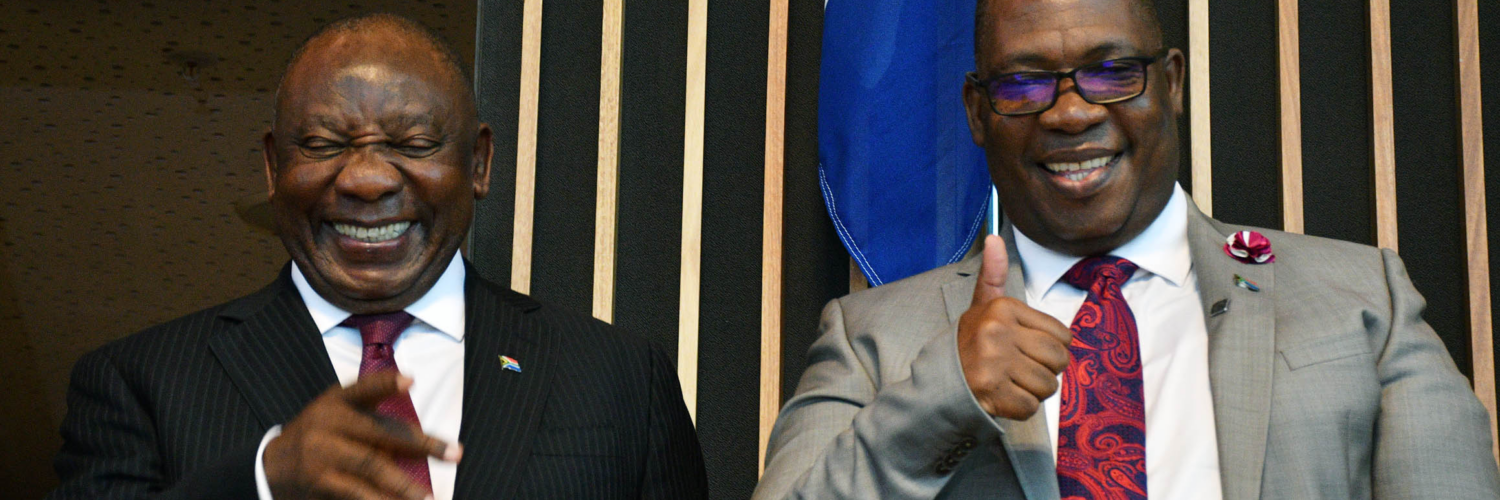
Addressing a meeting between the National Executive and Johannesburg Executive Council at the Council Chambers yesterday (Fri), Ramaphosa urged the officials to work together to ensure that the inner city of Johannesburg was primed to attract new investment and jobs.
‘’ As the largest metro in the country, responsible for 16 percent of South Africa’s GDP, Johannesburg is integral to the economy as a whole. It is the economic and cultural heartbeat of our nation.’’
Special focus should be on the rejuvenation of the inner city of Johannesburg. This was a pivotal year for South Africa, as it becomes the first African country to host the G20 Summit in Johannesburg in November this year.
‘’In an increasingly complex geopolitical environment, we have an important contribution to make to strengthening multilateralism and advocating for greater representation of the Global South’’, Ramaphosa said.
The historic part of the city of Johannesburg had been allowed to deteriorate for much too long. Efforts must be taken to make it a liveable, thriving and safe space for citizens.
‘’ Johannesburg’s success is the whole nation’s success. By the same measure, when Johannesburg struggles to overcome its challenges, the efforts are felt across the whole country.
‘’ Let us double our efforts to build a city that works for all South Africans, a city that celebrates our diversity and embodies the unity espoused in our Constitution.’’
The President said the visit yesterday by the National Executive was part of their efforts to strengthen cooperative governance and implement the District Development Model. The previous day, they had met with the Gauteng Executive Council on the province’s priorities to drive inclusive growth and job creation.
The presence at that meeting of the province’s Executive Mayors was an important reminder of how the work of all spheres of government were closely intertwined.
The City of Johannesburg was special to all of them . It was where millions of South Africans had come to shape their economic future in pursuit of a better life.
‘’Johannesburg today faces enormous challenges, ranging from financial and governance instability to rapidly deteriorating infrastructure. Water and electricity interruptions have become the norm. This has an enormous impact on the quality of life of citizens and the operations of businesses’’.
These were just some of the challenges that were constraining growth in the country’s economic heartland, said the President.
As national government, they understood the constraints faced by the city and appreciated the leadership shown by the Executive Mayor and his executive to stabilise governance and financial management.
Through Operation Vulindlela, the government’s economic reform programme, there was increasing recognition of the need for local government reforms that enhanced capacity, strengthened financial sustainability and made it easier to invest in infrastructure.
Many of the challenges currently faced by the City of Johannesburg were similar to challenges faced by other metros.
Ramaphosa said a year ago, he established the Presidential eThekwini Working Group with the support of local stakeholders, including business, labour and civil society. Working with these stakeholders and the eThekwini Metropolitan Municipality, led by Mayor, Cyril Xaba, they were able to unblock several challenges.
‘’We were able to fast-track water supply agreements for the Upper Mkhomazi Water Project, improving effluence compliance and reducing non-revenue water through infrastructure upgrades. We ensured a successful summer holiday period as beaches remained open, holiday hotspots were cleaned, critical infrastructure refurbished and police visibility increased.’’
The result of this ongoing work had been a marked improvement in business confidence and a sense by all stakeholders that eThekwini was on the road to recovery. They would like to implement this collaborative approach in the City of Johannesburg as part of the District Development Model.
Ramaphosa added that they were proposing the establishment of a Presidential Johannesburg Working Group.
This would bring in all levels of government and the expertise of their stakeholders to accelerate service delivery, stabilise the city’s finances and operations and enable economic growth and job creation.
He thanked the Executive Mayor and his team for engaging openly and in a collaborative sprit with the Presidency on this support mechanism.
‘’It is in this spirit that we will make real strides to unlock Johannesburg’s role as the engine of growth for South Africa’s economy’’.