 WeeklySA_Admin
REFLECTION: One of the small group of surviving members of ANC’s Luthuli Detachment Unit pens a revelatory and gripping memoir for posterity…
By Mpikeleni Duma
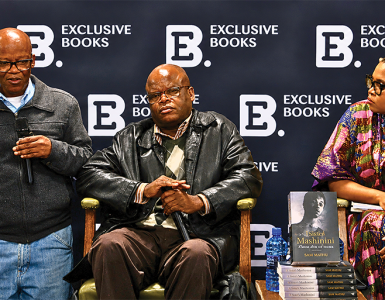
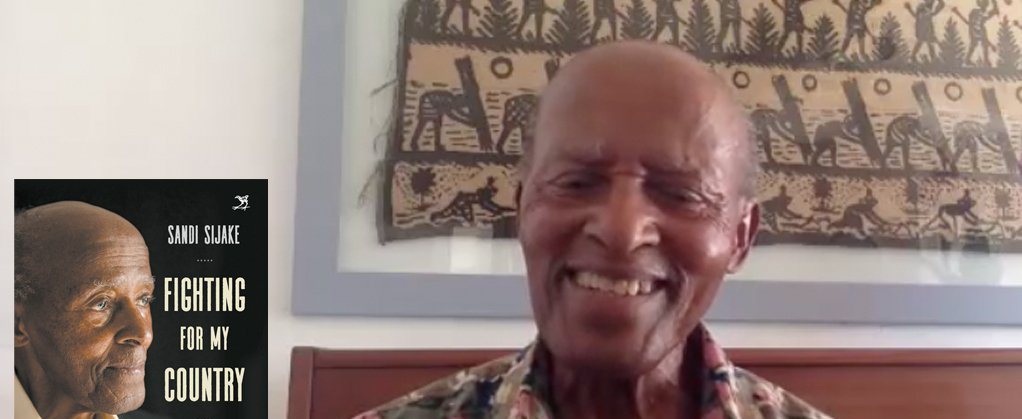
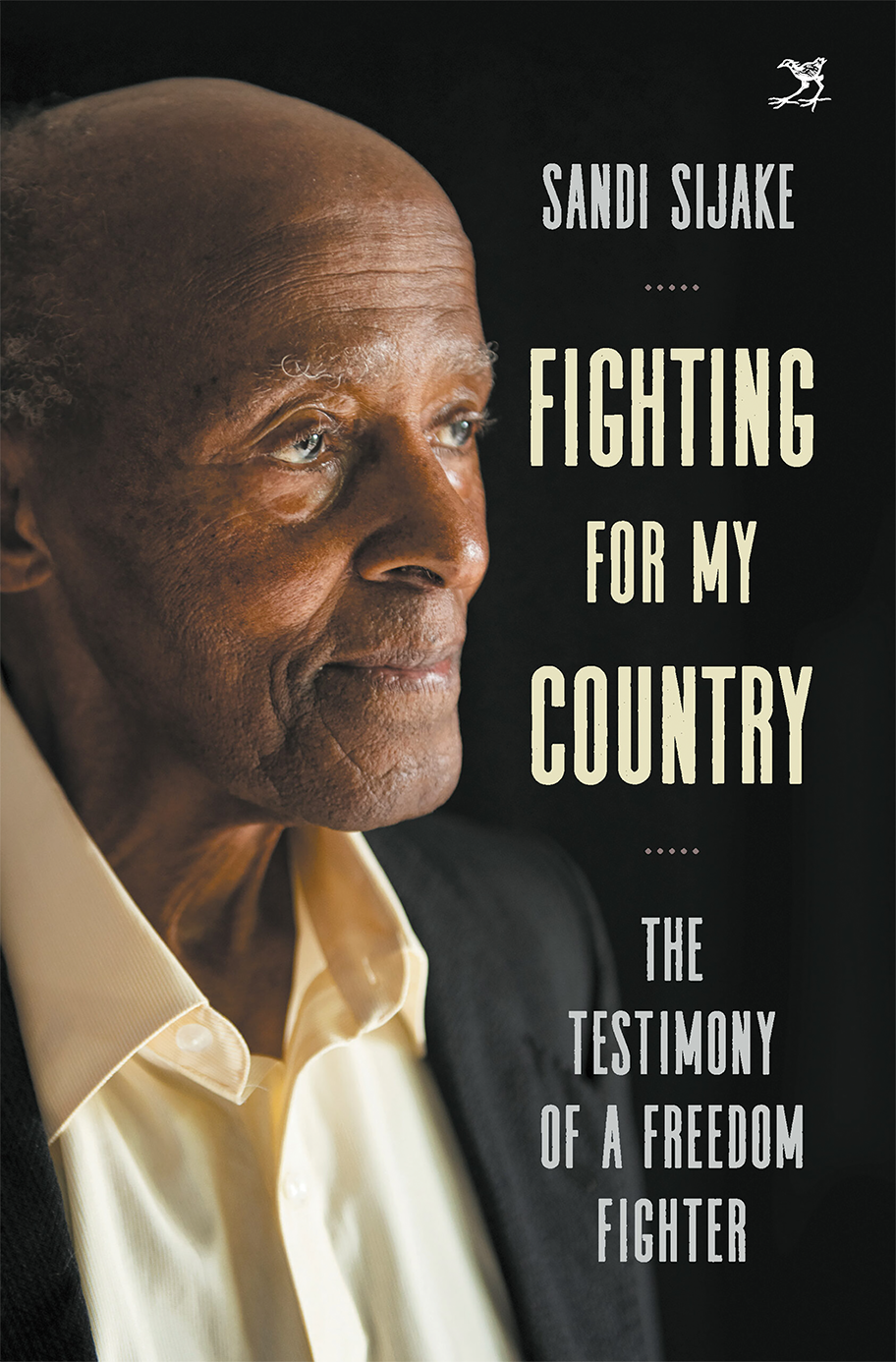
Sandi Sijake, author of Fighting For My Country is one of the African National Congress (ANC) Intelligence members from the era of Luthuli Detachment, of which 30 of its members are still alive in Gauteng.
Three in the Eastern Cape, North West eight, Limpopo Province three and none in KwaZulu-Natal Province. The last remaining Luthuli Detachment in KwaZulu-Natal was Linus Dlamini and died during the Covid 19 epidemic. The former Mkhonto we Sizwe soldier recounts the beginnings of his political activities with joining the ANC military wing and the early Pan-African and Soviet efforts to arm and train the new freedom army. From Sudan to Egypt, from Tanganyika to Tashkent, Sijake’s extraordinary recall takes the reader on a gripping journey and a moving reflection on his burning desire to fight for freedom. He also delves on his time on Robben Island and the daily life there, the personalities from the different liberation groups to early moves towards negotiations.
Born in 1945 in the Eastern Cape, Sandi Sijake joined the ANC in 1959 and left for exile in 1963. He was captured in 1972, and later sentenced in 1973 to 15 years and sent to Robben Island. He was released in 1988 – two years before the release of Nelson Mandela. Much later, in 2009 he was elected president of the ANC Veteran’s League.
The Eastern Cape born-author and guerrilla fighter traces his lineage in the book from the house of Gonnema. According to his elders, his lineage spans from the House of Gonnema, a Cochoqua chief who ruled communities in the areas comprising present-day Stellenbosch, Paarl, Drakenstein and Cape Town, writes Sijake.
“He fought the alienation of African culture by colonists for five years, but was finally defeated in 1678, and he died in 1686 as an ordinary old man.”
“The Khoisan people were spread beyond the Transkei and my village of Qwidlana, where their paintings are found. I was impressed that, in those days, our community life demanded close cooperation and mutual support, and tasks and social functions were divided between women and men and young and elderly”. Sijake came to the public attention of South Africans in 1972 after his arrest and later his imprisonment on Robben Island for furthering aims of a banned organisation and receiving military training outside the country. In the book, the author gives accounts of events leading to his arrest: “In the middle of the night I had a terrible dream in which a black mamba charged me and bit me. My late mother came between me and the snake as I lay paralysed. I woke up with a shock.
“Following my agreement to meet Mr Tuswa at TEBA offices, I left Xhwili on the morning of 22 August 1972, deciding to walk the fifteen kilometres to Elliotdale. At the Elliotdale turn-off from the N2, a white car approached from the direction of Umtata, slowing before following the road to Elliotdale. Inside the car were three white men and a black man. Although they were gone quickly, it left me wondering – it was not common to see a black and white person sharing a back seat. I wondered if it might be part of the preparations for Transkei’s independence. “The TEBA offices seemed strangely quiet, even deserted. I opened the gate and walked into the building. What might have been a reception table was to my right. On my left were two passageways that I assumed led to the offices.
“In the centre of the reception area a black man stood dressed in a grey three-piece suit. He was of medium height, with a belt of fat circling waist. He was alone, and I assumed he was Comrade Mbuzo’s Mr Tuswa. As I greeted him, a white man holding a hand gun appeared in the passage to my left and another two white men appeared from the next passage. They all shouted: Hands up! Surrender!
“I just stood there. One of the men approached cautiously and administered handcuffs, saying: ‘You are under arrest’. Another went out and brought the white car into the TEBA yard. They led me out of the building to the car, where they administered leg irons and sat me between two policemen on the back seat. I had been betrayed. Mr Mbuzo’s Mr Tuswa was a black policeman”.
The book encompasses Sijake’s whole life and times, his extraordinary and colourful life in the ANC, in exile, Robben Island; however, excludes his involvement in the South African National Defence Force as a major-general at Defence Intelligence Division and military attache in Britain.
Also, there are powerful accounts of his undergoing the rite of passage with slain former SACP general-secretary Chris Hani in the bush as young men in Zambia in the late 1960s.
This is a comprehensive, breathtaking account of a struggle life lived by one of the committed ANC veterans both in the country and in exile.
* Fighting For My Country: The Testimony of a Freedom Fighter is published by Jacana Media and is available at selected bookshops. It retails at R380