 WeeklySA_Admin
CATCHMENT: Initiative to rehabilitate highly polluted Jukskei River and change lives in flood-prone areas in Alexandra finally pays dividends…
By Funeka Bambalele
Nhlanhla Mothapa, a resident of Lombardy in the north eastern part of Johannesburg bordering Alexandra, was idling at home feeling frustrated without the hope of finding unemployment anytime soon. Then, from nowhere, a plan came.
This when someone recommended that she try her luck by taking part in an environmentally focused initiative in the nearby Alexandra township.
Mothapa, who is both a mother and housewife, had recently left her job in the retail industry without a backup plan and life came to a standstill thereafter. That was until she heard about the job creation initiative, and, following up on the new lead, landed at the SUNCASA (Scaling Urban Nature-based Solutions for Climate Adaptation in Sub-Saharan Africa) Litter Traps and Art Project, an initiative which aims to clean the highly polluted Jukskei River while creating job opportunities for the unemployed.
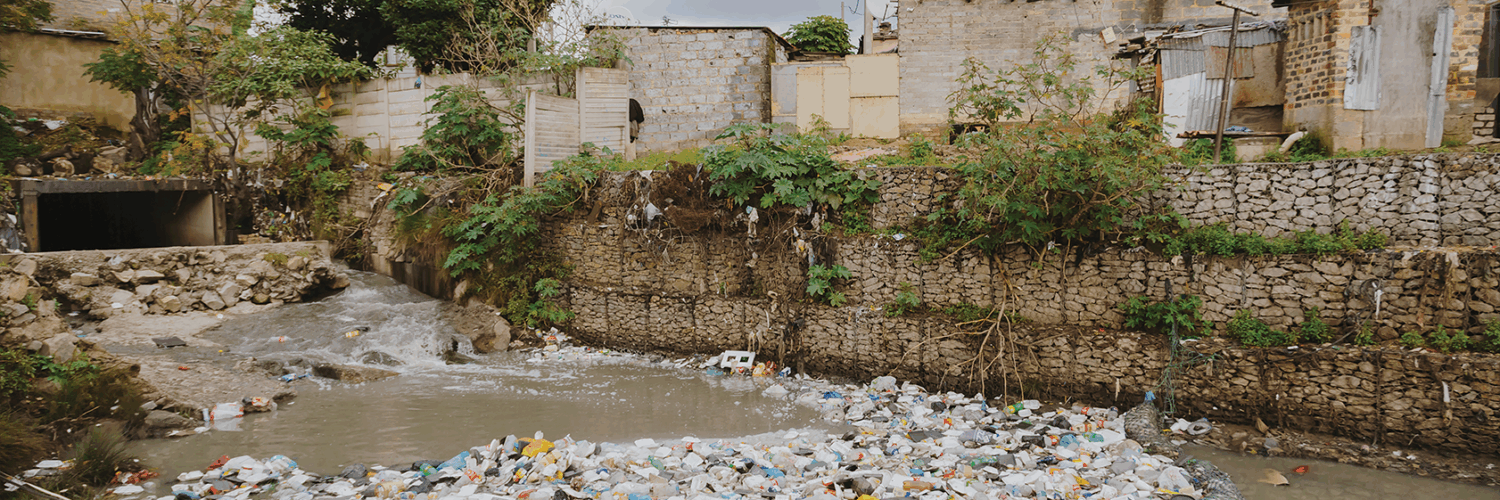
Since then, her dire situation has significantly improved. A collaboration involving various partners including the City of Johannesburg and Global Affairs Canada, the initiative was launched last week. Its goal is to eliminate large amounts of waste from the river, which not only contaminates the environment but also leads to flooding of homes located along its banks.
To date, the project has hired over 1 000 individuals as volunteers. As part of the river clean-up efforts, the community has constructed trash traps that are installed within the river itself. These traps catch waste while allowing water to flow through.
For their part, Mothapa and her fellow workers follow a daily routine of clearing the debris from the trash traps daily, retrieving pollutants like tyres, rubble, dead animals … and even corpses of new-borns. The waste, including trees and rubble, is then recycled into huge public art sculptures which are placed along the banks of the Jukskei River, near the Alexandra cemetery to beautify the area. Seasoned and award-winning artists like Collen Maswangwanyi have been roped in to assist in turning typical flood debris into engaging sculptures.
Like her fellow colleagues, Mothapa is grateful for the opportunity to participate in a community project that achieves greater good through environment conservation.
“Unlike last year where I was anxious about not securing a job while my husband was the sole breadwinner, I am now content knowing I receive a salary,” she beamed. “I am thankful to this project for providing me the chance to support our environment while earning a living. I have always been aware of environmental issues, but working on this project has taught me a great deal, and I am eager to learn more. If given the chance, I would pursue studies in environmental science.”
“I am now an advocate for reducing litter, especially in our community, because I understand how waste affects our surroundings. I am proud to be part of a team working to clean the Jukskei River and ensure its cleanliness.”
Sinazo Ndleleni, one of the young people from Alexandra who are employed on the project, shared her own story of a life-changing opportunity. She and her colleagues were passionate about the project and wanted to maintain the cleanliness of both Alexandra and the Jukskei River. The most significant challenge they faced was lack of support from some community members who continue to dump waste in the river despite daily cleaning efforts.
“Residents often ignore our efforts,” she complained. “We hope they can join us in stopping the disposal of dead animals in the river and instead bury them in appropriate locations. Sometimes, during our clean-up, we even discover deceased infants. We are also concerned about the children who play near the river as they risk being exposed to various bacteria and diseases.”
Johannesburg Inner-City Partnership (JICP) CEO David van Niekerk said that the three-year initiative was aimed at revitalising the Upper Jukskei River catchment through nature-based solutions that address flooding, erosion, manage urban heat, improve water security, and enhance biodiversity protection—ultimately increasing climate resilience for over a million people.
“It struck me that we could turn the rather unsightly litter traps into vibrant community spaces by activating them through public art installations. They could then be used not only for river cleaning, but also to involve the local community in the activation process, as well as places where locals and tourists could learn about the river and nature-based approaches.”