 WeeklySA_Admin
INNOVATORS: Learners from Gauteng Schools of Specialisation showcase their creativity, innovation, and problem solving abilities
By Ali Mphaki
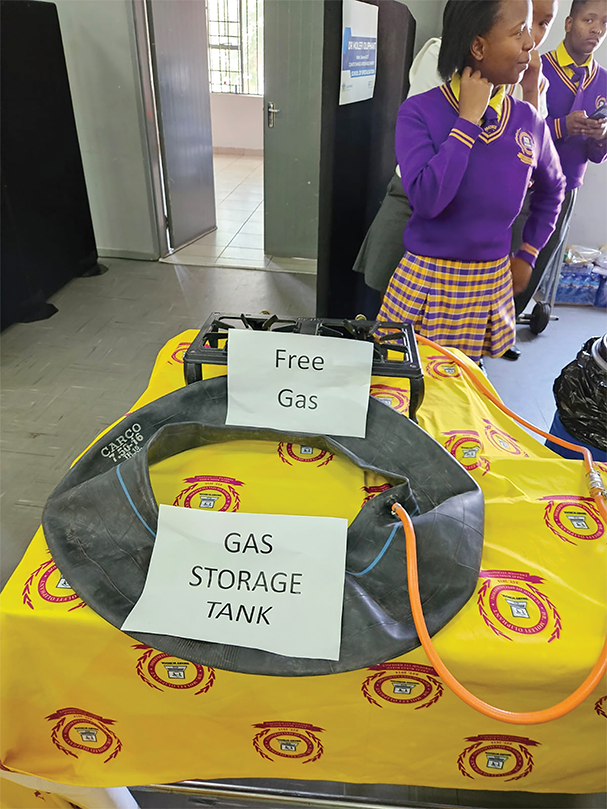
Imagine a jacket that adjusts its temperature to suit changing weather. Stretch your mind further and imagine a solar-powered electric airplane prototype designed to operate without jet fuel or carbon emissions, showcasing the potential of clean energy in aviation.

As if it were not enough, conjure up a digital platform coded to conduct online elections of learner representative council and potentially school governing bodies.
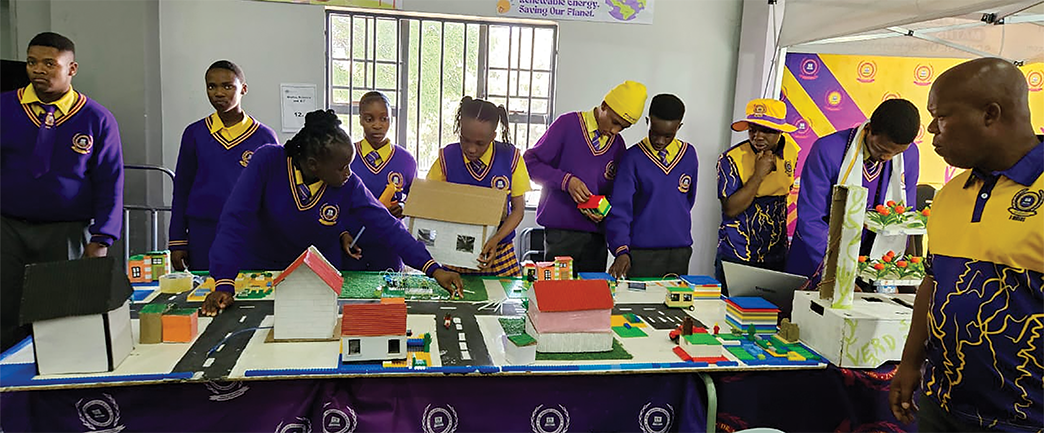
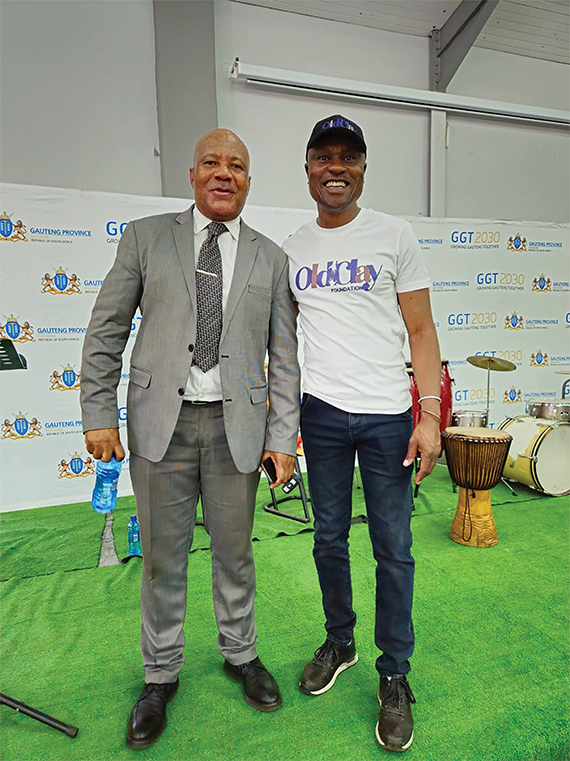
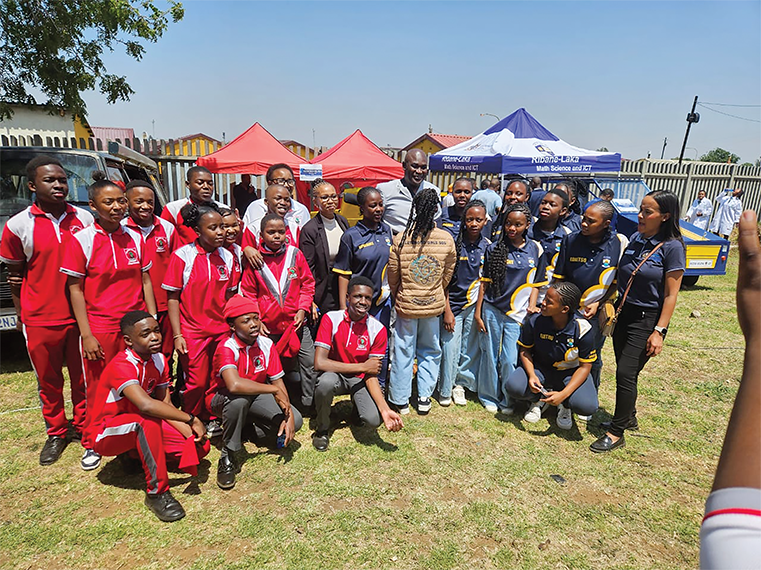
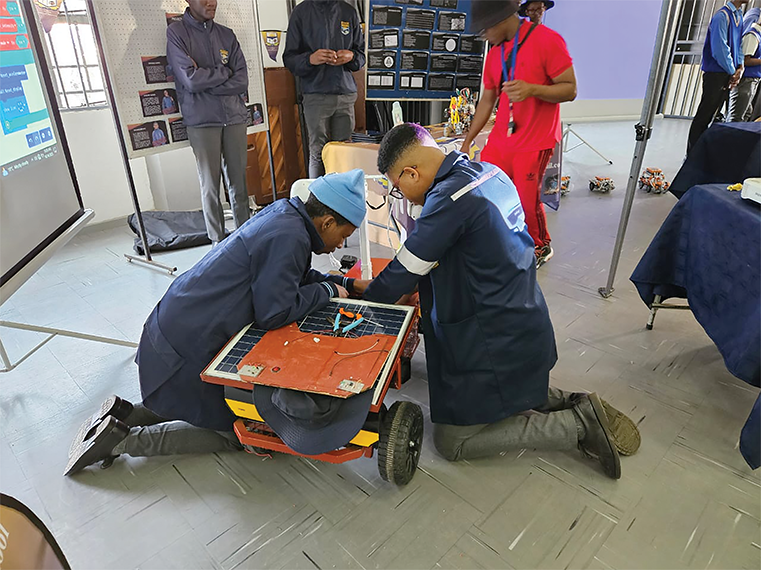
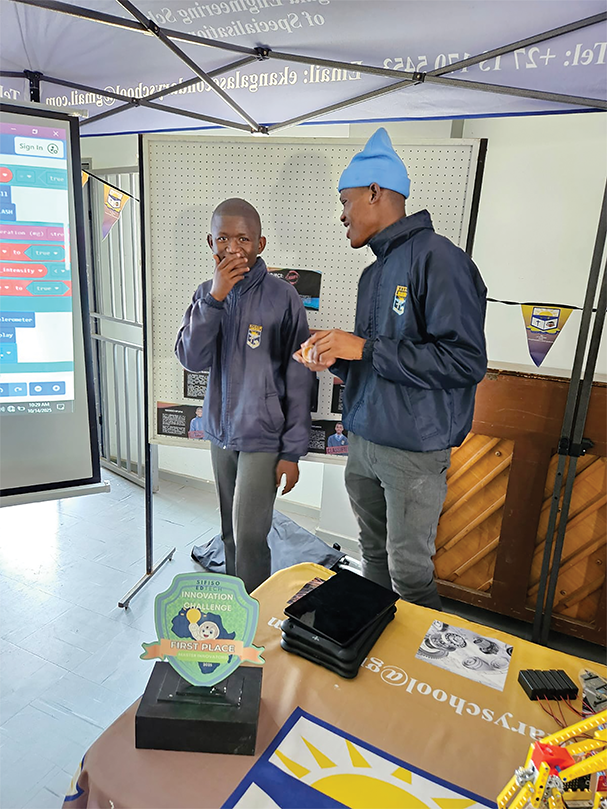
These and other ground-breaking innovations were showcased by Gauteng learners at the annual Maths, Science, ICT and Engineering Schools of Specialisation (SOS) festival held at the Letsibogo Secondary on Tuesday.
The festival brought together 28 Schools of Specialisation across the Gauteng province, comprising of 18 Maths, Science and ICT schools and nine Engineering Schools
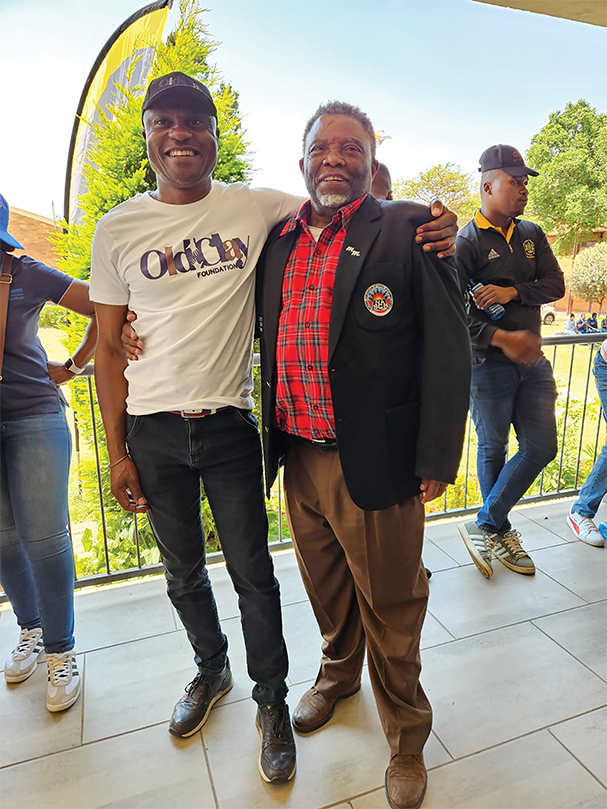
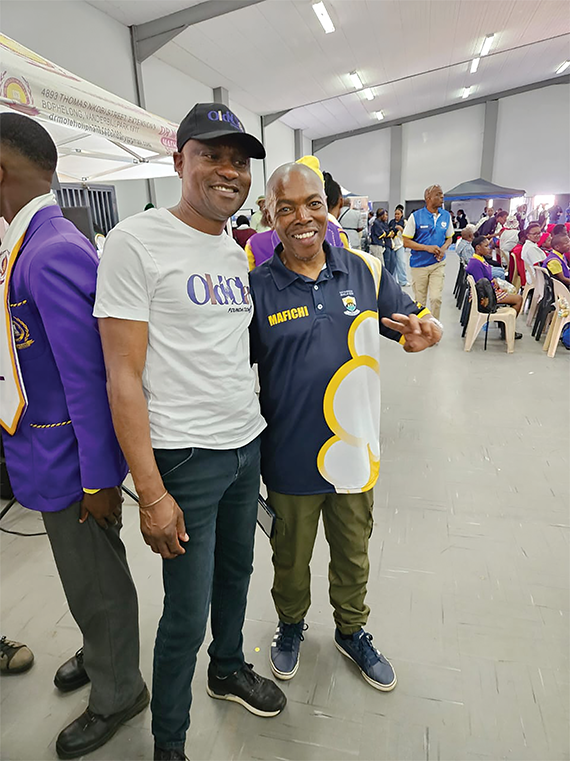
The Festival, now in its ninth year, was hosted by the Gauteng Department of Education at the, all girls Letsibogo Secondary recently adopted by Oldclay Foundation in .Meadowlands, Soweto.
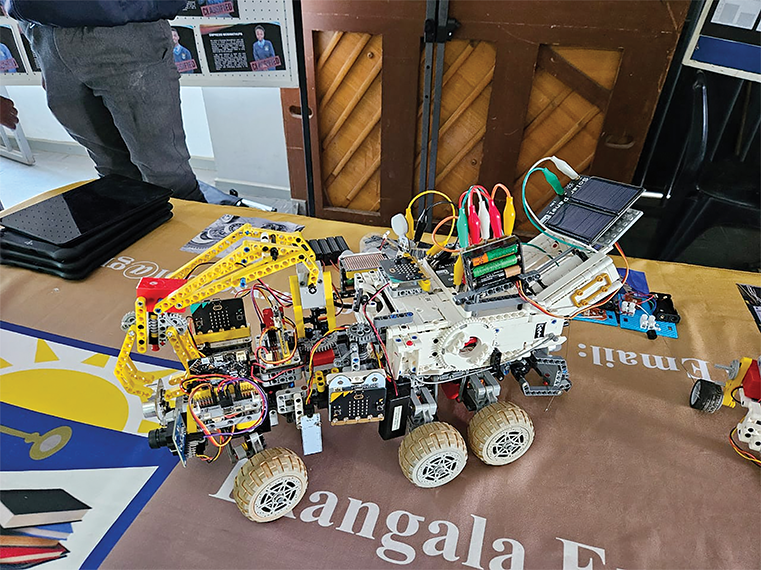
These schools showcased the creativity, innovation, and problem solving abilities of learners who are shaping the future in Science, Technology, Reading, Engineering. Art, and Mathematics, what is known as STREAM.
First place in the category of Maths,Science &ICT was St Barnabas for their elected website – a digital platform coded by learners to conduct online elections for Representative Councils of Learners (RCLs) and potentially School Governing Bodies (SGBs).
Second place went to Phahama Secondary for the Smart PPE detector door – a safety innovation that unlocks only workers who are fully equipped with protective gear.
Taking bronze was the UJ Academy for their Smart Facial Recognition Register with Motion Detection, automating attendance, and improving school safety.
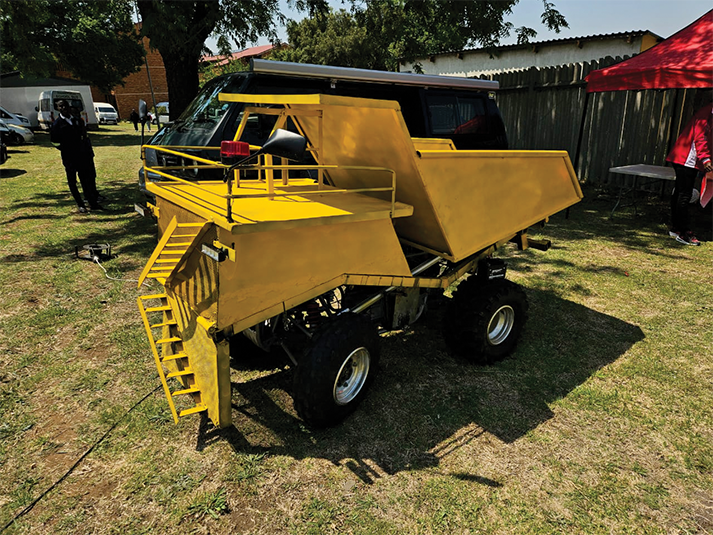
In the Engineering category, gold went to Soshanguve Automotive for their Solar-Poowered Electric Airplane Prototype – designed to operate without jet fuel or CO2 emissions, showcasing the potential of clean energy in aviation. Second place was attained by Ekangala Engineering – showcasing what they call Smart Mine Excavator, a device equipped with a roboticbarm and surveillance system to enhance safety and eddiciency in mining.
Not to be outdone, Katlehong Engineering scrapped through with the third prize, their efforts rewarded for their Hydrogen-On- Demand Fuel -Saver Car – a 200-plate innovation that uses water as a source to reduce costs and emissions.
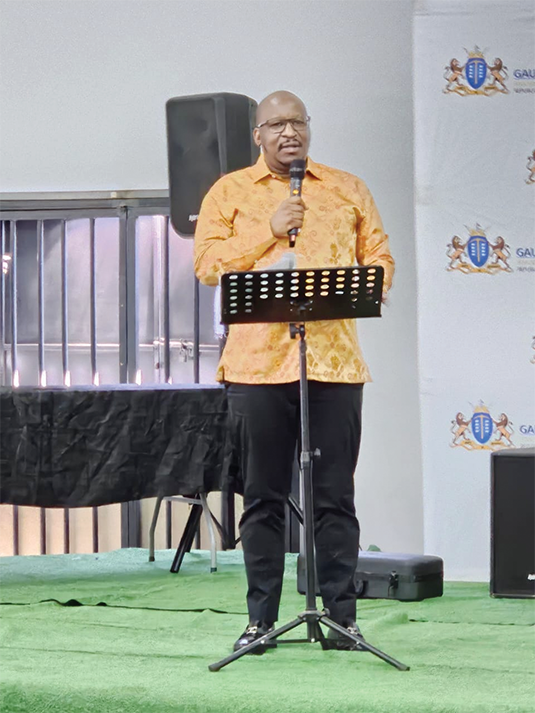
A beaming Matome Chiloane, Gauteng MEC for Education, congratulated the winners and all participating schools, saying their projects demonstrate that innovation and education can change lives.
“These projects are not just about science and technology, they teach our learners the values of life, commitment, research, making mistakes and learning how to correct them, teamwork and perseverance. They will carry these lessons with them forever,” said Chiloane.
Speaking about the Schools of Specialisation, Chiloane said the programme remains one of the departments most transformation initiatives, bridging the gap between education and the corporate world.
Since the inception of the programme in 2016. the GDE has launched 26 SOS across the province each focusing on one of the five key disciplines Maths, Science and ICT, Commerce and Entrepreneurship, Engineering. Sports, Performing, and Creative Arts.
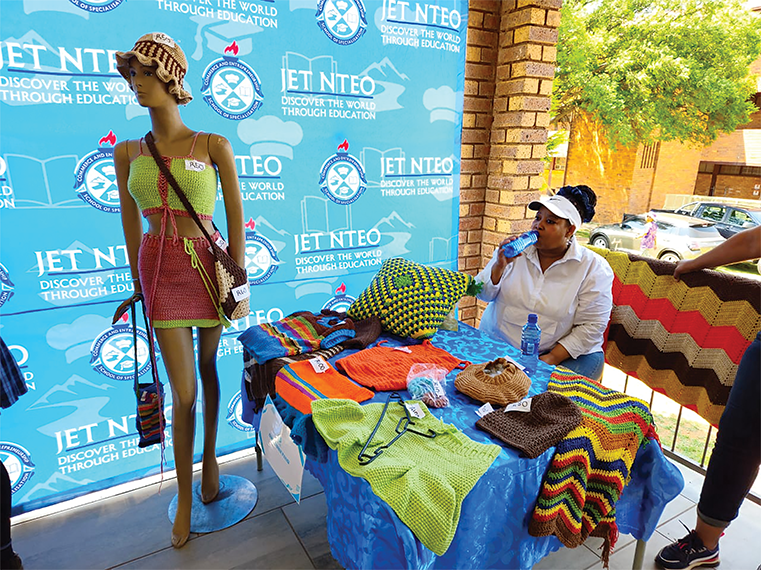
The department’s “structural alignment” to Gauteng’s five economic corridors is expected to ensure that leaners are equipped with skills that feed directly into the provinces key industries; from manufacturing and logistics to ICT, renewable energy and innovation. Among the standout innovations were Letsibogo with their Smart Fabric Jacket that adjusts to suit changing weather, the Hydroponic House for sustainable living by Mandisa Shiceka SoS, as well as UJ Academy with their Snart Facial Recognition Register, an automated attendance system powered by motion detection and artifical intelligence.

In his closing remarks, Chiloane said their SoS have been incubated and supported to grow, “ but we must reach a point where we extend this competition to other schools.
For example, he said, Engineering Sos should compete with Technical schools.
“ This will uplift leaenrs across the system, rather than having the nine Engineering Schools compete among themselves.
“If we allow out SoS to compete with other schools, we will uplift the event because these projects make a real difference in our children’s lives,” he said.