 WeeklySA_Admin
Lived experiences: Newly released book Soweto Stories brings together 21 storytellers to reflect on the township’s resilience, humour and spirit through both vintage memory and contemporary lens…
By Jacob Mawela
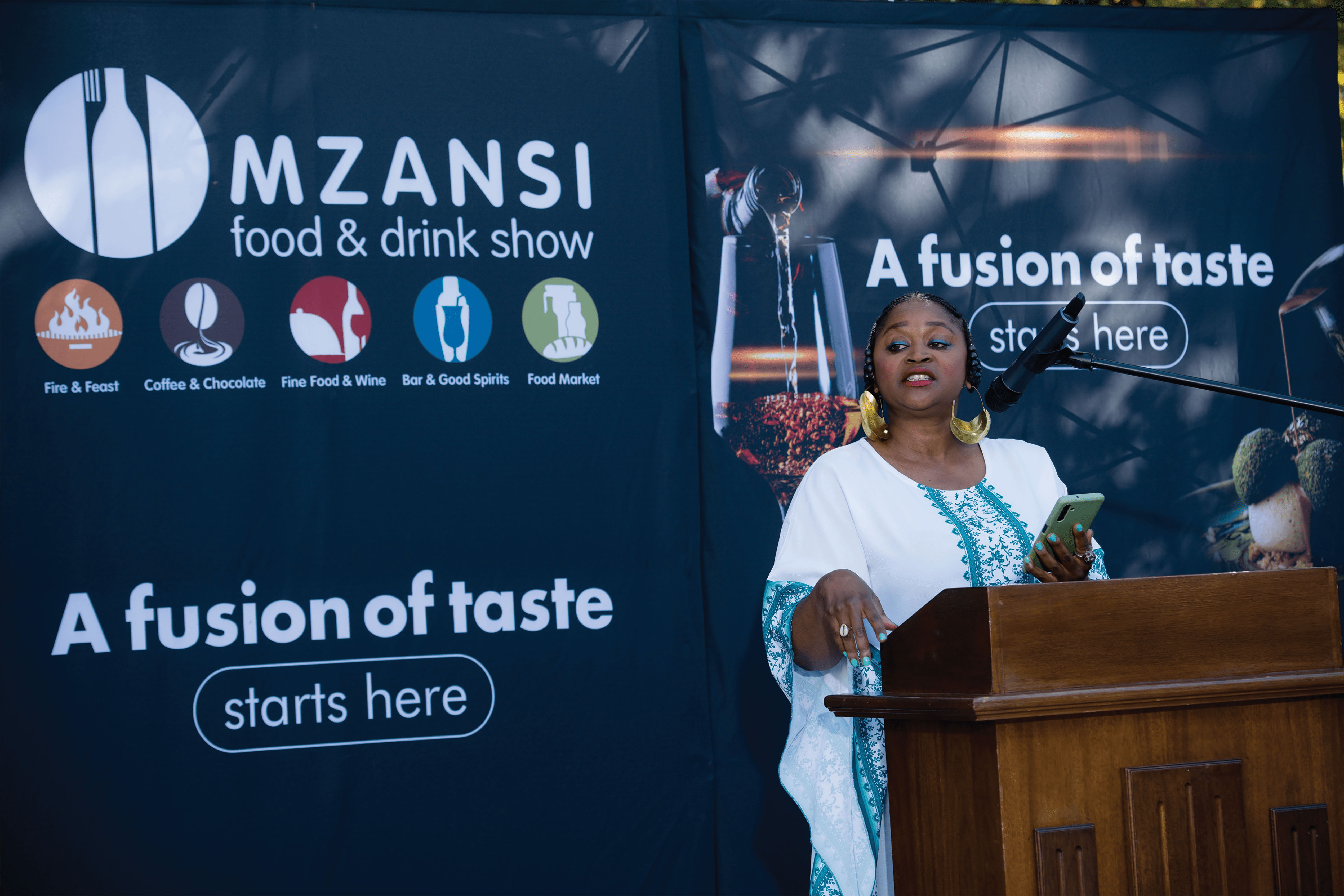
Writers and storytellers across generations gathered at the Killarney Country Club in Johannesburg recently for the launch of Soweto Stories, a new anthology capturing the lived experiences of second- and third-generation Sowetans.
The literary initiative was born from a casual conversation over golf and drinks between long-time friends and former Musi High School pupils and businessman V. Zwelibanzi Mntambo and former Soweto student leader Thabo Ndabeni, who have known each other since 1975.
Now brought to fruition and published by Mntambo—currently Chancellor of the Vaal University of Technology—the anthology features contributions from 21 writers who document Soweto as they lived it. The collection is rich with tales of resilience, humour and hope from voices such as Miriam Tlali, Letticia Sihlali, Pearl Luthuli, Sibongile Mkhabela, Thami Mazwai, Motsumi Makhene, Oupa Ngwenya and Nume Mashinini, among others.
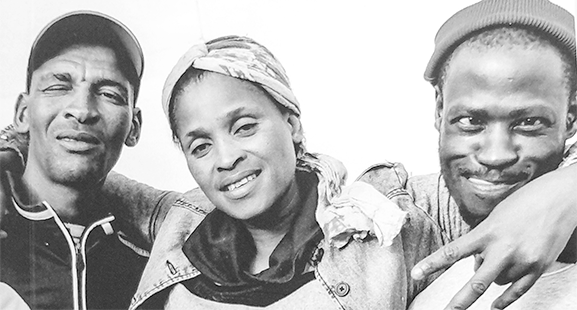
Complementing these narratives is the photographic work of Lehlohonolo Khoza, whose images offer a contemporary, youth-inflected perspective that contrasts with many of the contributors’ memories of the pre-1994 era.
To frame what Soweto represents to its residents, editors Mntambo and Ndabeni recall the words of the late journalist Nat Nakasa, who observed: “Soweto lives precariously, dangerously, but with a relentless will to survive.”
In her contribution, A Living Hell, former journalist Pearl Luthuli recounts the violence she witnessed and the harassment she endured in Soweto during the 1960s and 1970s—ultimately concluding that the township remains dangerous even today. By contrast, Anglican Archbishop Thabo Makgoba’s recollections are more affectionate. Removed from Alexandra at age 14 in 1974, he describes how relocating to Pimville—then divided into zones according to tribal designation—shaped his spirituality, identity, and sense of community.
Vivian Moila’s evocative reflections on the iconic red stoep will resonate with many Sowetans. Her memories of Meadowlands Zone 10 describe the front porch as a warm communal gathering point, central to daily life. A notable inclusion in the anthology is a posthumous contribution by the late Miriam Tlali—the first black South African woman to publish an English-language novel and among the earliest writers to chronicle Soweto.
Her prose, characteristically observant and unflinching, forms part of the anthology’s textured portrait of the township. One contributor even reveals the little-known fact that some sections of the township were once fenced in, with municipal police monitoring residents’ movements in and out.
The launch event drew a distinguished audience, including veteran journalists Sandile Memela, Fred Khumalo and Lesley Dikeni; copy editor Phakama Mbonambi; Johannesburg Art Gallery director Khwezi Gule; and former councillor and veteran actor Kid Sithole. Hosted by Miss Soweto Mbali Khumalo, the evening featured a panel discussion where contributors shared personal recollections and reflected on the significance of Soweto as both a place and an idea.
Writers and storytellers are invited to contribute to the second edition of Soweto Stories, scheduled for release in 2026. Submissions may be sent to: submissions@sowetostories.co.za