
 WeeklySA_Admin
OBITUARY: The late Zimbabwean-South African industrialist built one of Africa’s most ambitious corporate empires before a dramatic state seizure forced him into exile, leaving a legacy that continues to divide opinion…
By WSAM Reporter
Mutumwa Dziva Mawere, the Zimbabwean-South African businessman and industrialist whose rise and fall became one of the most defining corporate sagas in post-independence Southern Africa, died on January 15, in Johannesburg. He was 66.
Mawere passed away at Mediclinic Sandton Hospital, just days after celebrating his birthday on January 11. While the precise cause of death was not publicly disclosed, he had reportedly been suffering from an acute neurological condition since mid-2024 and had been in critical health for some time.
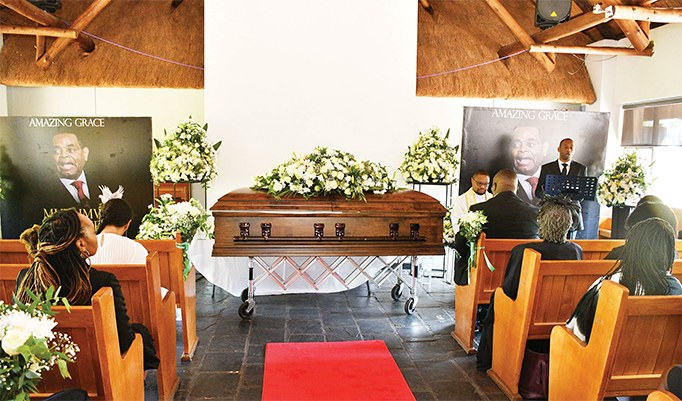
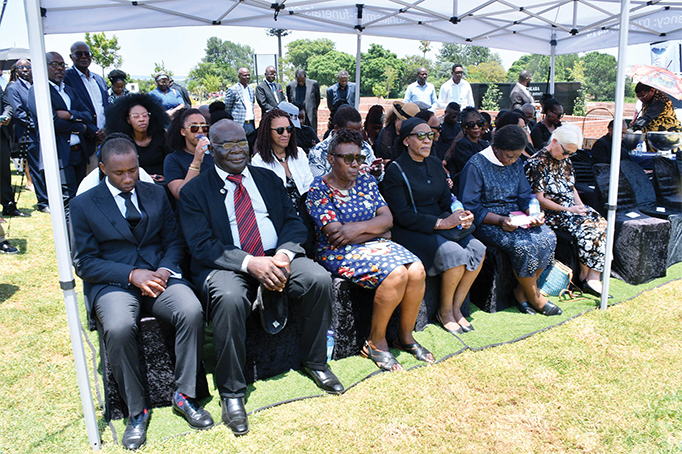
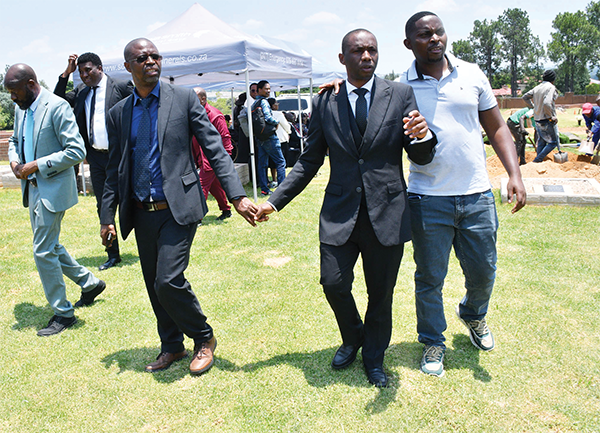
He was buried at Fourways Memorial Park in Johannesburg on January 26.
Born in 1960, Mawere emerged in the 1990s as one of Africa’s most formidable self-made industrialists. Through Africa Resources Limited (ARL), he assembled a sprawling corporate portfolio spanning mining, manufacturing, finance, insurance, agriculture and telecommunications — a scale of ambition that placed him among a small elite reshaping African capital ownership at the turn of the century.
His most famous acquisition was Shabanie Mashaba Mines (SMM), once a global leader in asbestos production and a major employer in Zimbabwe. Under Mawere’s stewardship, SMM became a symbol of African-controlled industrial power — and later, the epicentre of a bitter confrontation between private capital and the state.
In 2004, following a dramatic and politically charged fallout with the Zimbabwean government, Mawere’s companies were seized by the state. The takeover triggered years of legal battles over property rights, corporate governance and the rule of law. The dispute ultimately forced Mawere into exile in South Africa, where he lived and worked for the remainder of his life.
Educated in Zimbabwe, Swaziland, the United Kingdom and the United States, Mawere held a Master of Science degree and an MBA. Early in his career, he served as a Senior Investment Officer at the International Finance Corporation (IFC), part of the World Bank Group — experience that shaped his global outlook on finance, development and industrial growth.
In exile, Mawere remained a vocal and often uncompromising commentator on African economic reform, property rights and entrepreneurship. To supporters, he represented a cautionary tale of how political power can extinguish indigenous capital. To critics, his empire was not without controversy, particularly given the environmental and health legacy of asbestos mining and the complex corporate structures surrounding his businesses.
Yet even detractors acknowledged his influence. Mawere’s story forced uncomfortable debates across the continent: Who controls African wealth? How secure is private ownership? And what happens when economic ambition collides with political authority?
Mawere leaves behind a legacy that is neither simple nor settled — one marked by extraordinary enterprise, fierce resistance, and unresolved struggles over justice and ownership. In death, as in life, he remains a figure who shaped — and unsettled — the economic imagination of Southern Africa.
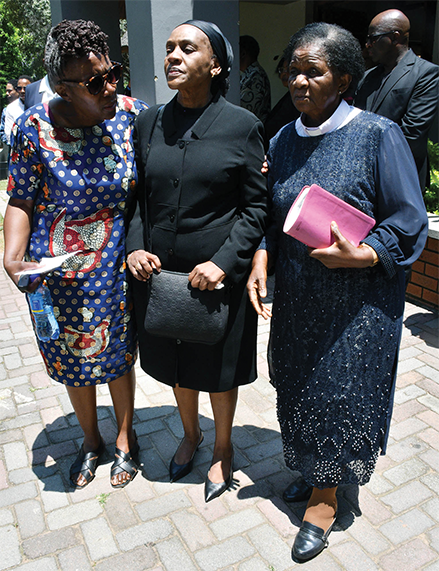
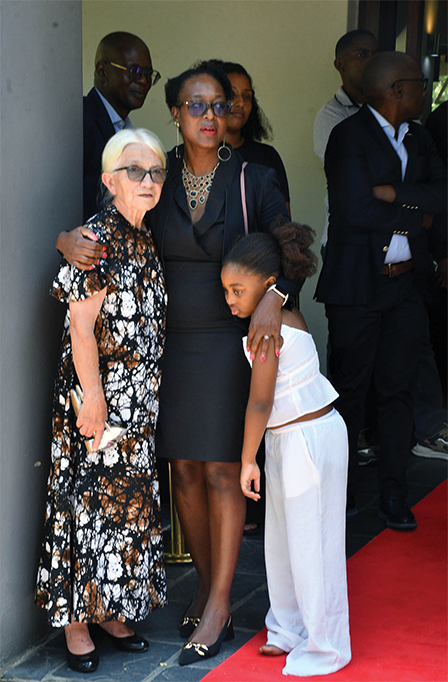
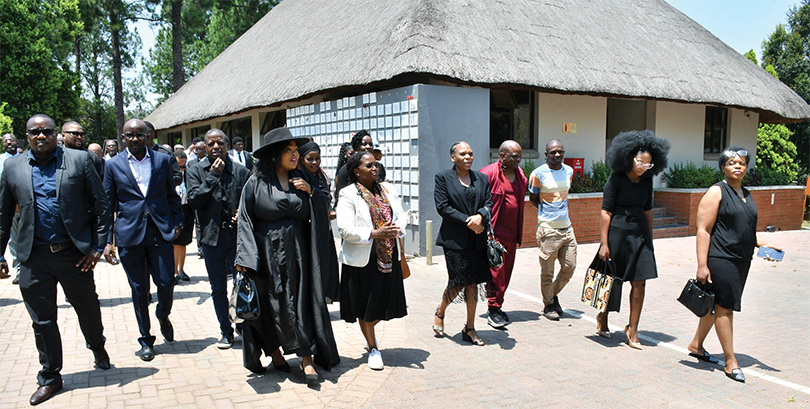
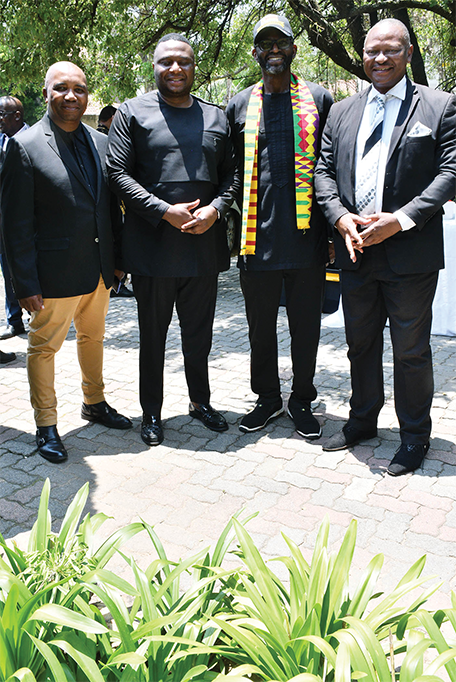
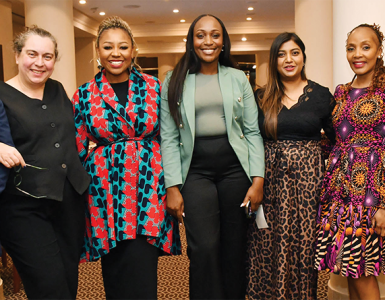
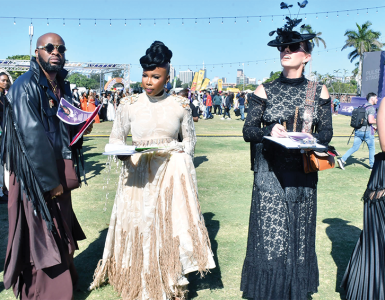
BUSINESSMAN MUTUMWA DZIVA MAWERE FUNERAL – PHOTOS: SIPHO MALUKA