 WeeklySA_Admin
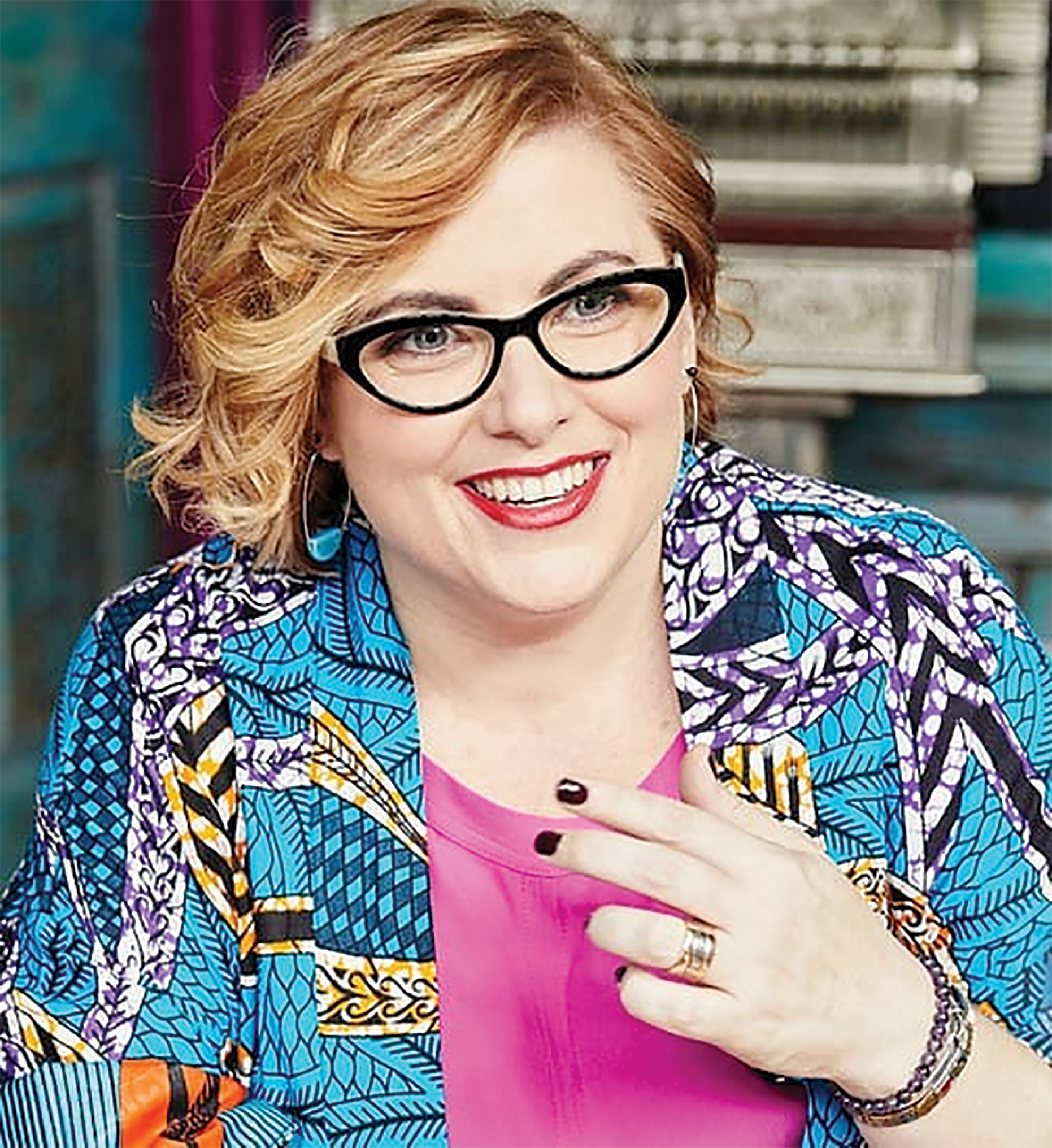
BEGUILED: Beware the beau who is – among other traits – effusively affectionate, showers one with gifts early in the affair, wants to meet in exclusive places, according to relationship coach Leah Sefor…
By Robert Tlapu
Online dating scams have become common occurrence globally today, catching many lonely victims – mostly women – unawares with regular frequency, while also leaving them heartbroken and completely penniless.
In the past two weeks, Weekly SA Mirror has published two accounts by women who had fallen head over heels with strangers, who they had either met through internet dating or chanced upon in public space.
In one instance, the Hawks’ Serious Commercial Crime Investigations recently announced they were investigating a case in Mahikeng, North West, where an online date stalker allegedly scammed a 54-year-old female victim (name withheld) of her pension pay-out amounting to R2 million. The incident happened between May and August 2022, when the conman and the victim met through the Badoo online dating site.
In another case, Xoli Sibanda (not her real name), who was going through a lot in her life last year when met a ‘prince charming’, who later fleeced her of R200 000 and disappeared. She had chanced upon him at a petrol-filling station in Polokwane in June last year, and immediately fell for his charms.
Today, WSAM speaks to Leah Sefor, a South African life and relationship coach with a 26 years’ experience in the field, about the phenomenon of lonely lovers taken advantage of by strangers they had either met either through the social media dating scams or public space.
Sefor is a speaker, podcaster and author known for her straight-talking, and who has counselled couples and worked with organisations in more than 10 countries.
From early in her life, Leah worked in the fields of physical and psychological healing which shaped her current line of work. She has appeared on two dating shows The Bachelor SA and The Single Wives SA as a relationship expert. She also creates content for her blog and video series called Real Talk and has written books like The Freedom Factor and That’s Not What I Meant! a savvy guide to real communication released in June 2021.
Robert Tlapu (RT): What are the obvious red flags inherent in online relationships?
Leah Sefor (LS): They have negatives in their profile such as “I’m not in to…” or “I don’t want…”. They ask you for money – that is a big no-no! Their profiles and photos aren’t clear. If they’re hiding parts of their face or body in their profile pics or their biography is very short with not much detail.
If their bio contains any sexist, racist or derogatory language. If they keep talking about their ex then they are not over them. When they love-bomb you after only one or two dates. If they get demanding or controlling, wanting to know your movements and who you’re with and any demand of exclusivity almost immediately. Golden rule is this: If something doesn’t feel right, trust your gut!
RT: What should one do to protect themselves from being victims of scammers?
LS: To avoid being catfished, arrange a video call or meet the person for a coffee date to see that they are who they say they are.
If they become very intense and possessive and persistent with you – red flag! The minute they start ‘love-bombing’ you and wanting a commitment almost immediately… walk away.
If they ask for money – red flag! They won’t come out and ask for cash, they’ll do it in subtle ways like “I’d really love to see you, but I can’t get a ticket/Uber/taxi because I don’t have money or my card isn’t working, can you help?” Or, “I’d love to take you away for the weekend but my car needs a new battery which I can’t get until payday… unless you’re willing to lend me the money in the meantime?” Scammers always start out being very affectionate and giving you lots of attention to hook you first, the requests for money come later.
Google the person. Check that what they’re saying is true about where they live or work or who they are. You can do a reverse-image search by googling their profile picture – will give you details of anywhere else that picture has been used.
RT: Who is considered the ‘easy target’ by the scammers?
LS: Elderly people are vulnerable and gullible when it comes to online dating scams. Women over 50s are the biggest targets and the group where the largest reported losses came from last year.
Single mothers or people that have shared posts on social media of being ‘lonely’ or ‘struggling to make ends meet’ – scammers scour reels and tiktoks and all social media platforms to find victims – be aware of what you post.
RT: Any other advice you can share about the online dating scams?
LS: Don’t ever share personal information like bank account details, credit card numbers, your ID or address. They’ll try to hook you by saying they want to send you a gift card. Or money to ‘spoil yourself’ but they’re just harvesting your financial details for fraud.
Never send them money. No matter how sweet they appear or how charming or caring they seem – stay awake to any requests for financial help. Remember that scammers are professionals, they’re good at what they do, they know exactly how to manipulate vulnerable people.
Never take nudes or send videos of yourself – they could blackmail you with these.
Stay on the dating app for communication until you really know the person. Don’t move the chats to a personal number. A red flag is if they want you to move off the dating app quickly to have more ‘privacy’. Dating apps monitor dodgy behaviours and respond to warnings from users about unethical behaviours – this way they weed out scammers, it protects everyone.
Published on the 93rd Edition.