 WeeklySA_Admin
Pass: A total 2,1 million travellers passed through south africa’s ports of entry in february 2023
By Isaac Moledi
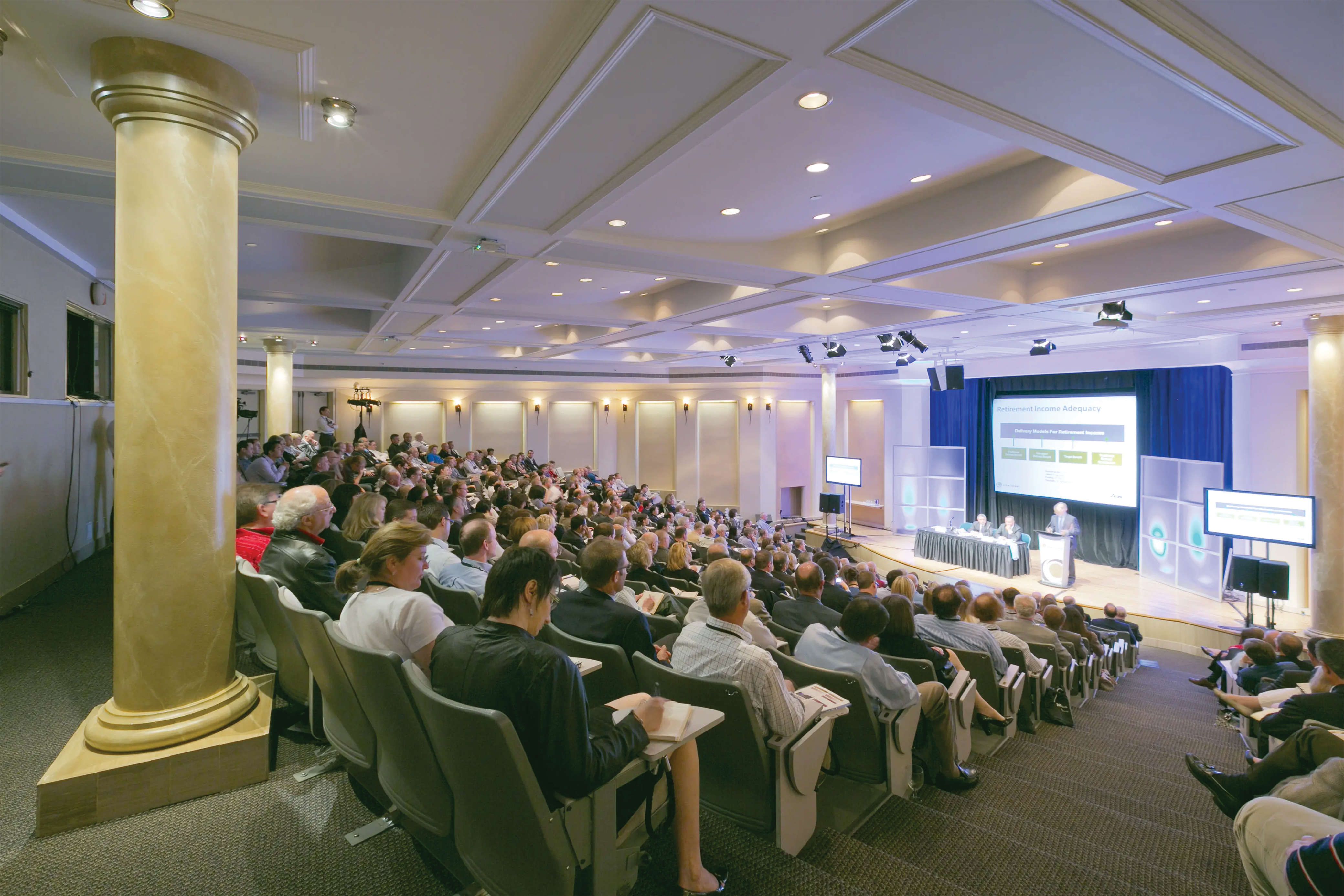
Entrepreneurs who want to venture into conferencing as a career should know that the business has changed significantly in the last two years.
Experts say, unlike before, attendees are now looking for simple but seamless and memorable experiences. For event planners, it is important to draw up a list of essentials.
To acclimatize oneself with the developments in the industry is crucial as, according to tourism and leisure experts, South Africa is again fast becoming a globally preferred destination for some of the world’s biggest industry events.
This year for instance, the country is on its momentum to host leading global conferences that include the BRICS conference in August and Entrepreneurs Organization’s Global Leadership Conference, among others.
According to Stats SA, 2.1 million travellers (arrivals, departures, and transits) passed through South Africa’s ports of entry/exit in February 2023 with many of these being business travellers.
With so much focus going into increasing the number of repeat visitors to South Africa’s shores for these conferences, experts say this might be the right time to explore conferencing industry to see whether you are a suitable candidate to venture into the sector.
Experts explore the following simple business conference essentials and give a hint for those who will want conferencing as a career:
Face-to-face meetings that create connections.
With the rise in remote and hybrid work, many people who joined new companies in the last few years have likely been meeting their colleagues online.
While this has proved to be an efficient way to work, with reduced travel time to and from meetings, for example, it misses the important face-to-face connections that are made from physical meetings.
“A simple element of business conferences in 2023,” says Radisson Blu Hotel Waterfront Food and Beverage manager, Colleen Lategan, “are networking sessions that get attendees talking face to face.” This could be through tea breaks where question cards are placed alongside canapés (a small piece of bread or pastry with a savoury topping).
“These can serve as prompts or conversation starters while attendees stand around enjoying their snacks. In-person conversations help to build trust and foster greater engagement through personal experiences such as eye contact,” says Lategan.
Seamless technology experiences.
With so much attention being given to ensuring that the latest video, audiovisual and other technology is available at conferences, experts say some organisers have forgotten to remember the smaller details around technology.
“While cutting edge technology is important, finer touches such as charging stations should not be forgotten.”
The ideal conference or meeting venue should include multiple areas for charging laptops and other devices and the wi-fi password should be displayed in multiple locations. “Attendees should not feel as if they have ever had to spend time going to search for a plug point or wi-fi password.
Another item could be to include both tables and chairs in the conference venue so that attendees feel comfortable using their laptops during talks instead of having to balance them on their knees or leave the venue to make use of the device.
Some experts say many attendees will need to complete some work during a conference and organisers should accommodate this.
Memorable venues in carefully picked locations.
Experts believe that today, the idea of a CSuite executive working remotely from a sunny island over a small office or 5-day-a-week space is more acceptable. The same has become true for destinations where work events are held.
“At the Radisson Blu Hotel Waterfront, for example, conferences are held inside the hotel and during breaks, teams enjoy a stroll alongside the ocean on the hotel’s doorstep,” says Lategan.
“Venues like these give people a sense of ease and added enjoyment, over venues in tall buildings with windows that might not open.”
Teams working through the day in his company’s meeting rooms with natural light, windows that can open and ocean views, instead of fluorescent light, have also expressed feeling less tired at the end of a conference day.
For busy travellers who might not get a chance to explore the city, mixing conferences with a nature-filled experience helps them to feel that they have experienced at least a part of their travel destination.
It is often the small things that make people feel valued. Experts say at the top of the list for any traveller, are personal greetings and help being there as soon as it is needed.
“Consider making sure that there is a person at the entrance to the venue to meet and greet each attendee.”
Another added touch could be to have a person situated on the events floor to attend to any questions or queries during the event.
People also value any digital summary of what has happened at the event. These summaries can include key details of what the talks they attended were instead of a long press release or video recording.
Essentials need not be extravagant.
“World-class conferences become so, not because of grand gestures or extravagant goodie bags, but rather as a result of the attention paid to the smaller details. Elements such as meaningful engagements with peers and conference staff, enjoyment of local experiences and seamless technology will go a long way in fostering positive experiences,” according to Lategan.
LEARNERS URGED TO USE STIPENDS TO ASSIST THEM WITH OWN EXPENSES
Abuse: Many candidates abuse this income by using it to support their families
By WSAM reporter
Stipends, a fixed monthly allowance paid to candidates as part of a process to gain required skills during learnership, internship or apprenticeship, are intended to provide learners with financial assistance to pay for transport, meals and other basic needs whilst completing their programmes, according to Rajan Naidoo, managing director of EduPower Skills Academy.
“Used in the right way, a stipend is an enabler that assists learners with the expenses they will incur whilst obtaining valuable accredited qualification and work experience.
“Unfortunately, though, many learners abuse this income, which can have devastating consequences on their ability to complete the learnership.”
According to Naidoo, the majority of learners are young and for many, a stipend is the first time they have ever received a regular income.
“Many do not understand budgeting nor do they have a role model to help them manage their money. As a result, this can get them into hot water very quickly” .
With years of experience in the skills development sector, Naidoo has first-hand experience with learners abusing stipends. He says the most common include:
- Learners registering for two or more learnerships concurrently to benefit from compounded stipends.
- Learners using the stipend to support their families with the result that there are insufficient funds for transport to attend training, which is in breach of the learnership contract.
- Learners registering for a learnership to access the stipend when they do not comply with the stipulated requirements of attending training and or refusing to do work experience.
“In each of these cases, the learner will be absent. So, if the training provider has the right checks in place, this can be established very quickly. If it is established early enough, it can be nipped in the bud by providing the learner with some basic financial education,” says Naidoo.
In certain cases, though – such as when learners are registered for more than one learnership – Naidoo says legal action may be the next step.
“We encourage our sponsors to be firm but fair when applying disciplinary processes against learners who are caught abusing the system”.
What is a fair stipend?
Naidoo says when candidates are registered for a learnership, they generally sign limited duration employment contracts for a period of 12 months. These are aligned to the Labour Relations Act as well as Basic Conditions of Employment and while there are regulations for stipends under the national minimum wage legislation, it forms its own specific section with its own set of rules.
Naidoo says despite there being legislation governing stipends which stipulates a minimum amount for learnerships, it is dependent on the qualification level and the credits already earned. “Therefore, when a sponsor of a learnership wants to pay below minimum wage, the training provider needs to ensure that the learners will receive a sufficient and fair stipend to deliver on the learnership requirements.”
How much is enough?
Stipends must match the circumstances of the learnership. If learners are expected to attend training once a week but the work experience component is online, a lower stipend will be needed. If, however, a work readiness model is the focus (as is the case with EduPower), learners are expected to keep normal hours, five days a week. This requires a minimum wage stipend at the very least as they have to travel to work daily. Naidoo cautions that unless stipends and learners are correctly managed by the training provider, this valuable earn-while you-learn model can hijack the learnership.
“The fact is that contractually, the training provider is responsible for ensuring that their learners complete the programme. If candidates drop out because the stipend is too low to cover all their costs, the sponsors lose the benefit of a completion bonus in terms of SARS Sec 12H. It is thus, in everyone’s interests – the sponsor, the learner and the training provider – that a suitable stipend is negotiated for candidates to ensure the learnership’s successful completion.”
Published on the 98th Edition