 WeeklySA_Admin
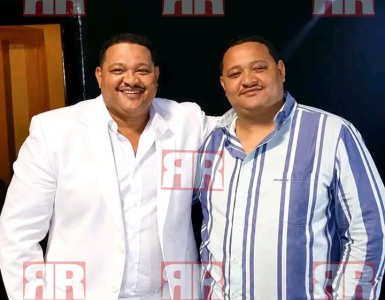
TALLY: World condemnation mounts over killing of Ralikonelo Joki (left) as journalists’ safety comes under spotlight…
By Monk Nkomo
The brutal murder of popular radio host Ralikonelo Joki who was shot thirteen times shortly after his current affairs show last weekend, has sent shockwaves in the international media fraternity who have called on the Lesotho authorities to launch a credible investigation and hold those responsible to account.
The Media Institute of Southern Africa (MISA) in Lesotho, has condemned the atrocious murder and said the killing was an attempt to silence journalists. The murder is believed to be a hit that was linked to his work of, amongst others, exposing corruption in government.
Joki, who used the name ‘ Leqhashasha’ on air and had allegedly received several death threats from different Facebook accounts early this year, was gunned down while leaving the privately-owned Tsenolo FM station in Maseru on Sunday night after his broadcast. No arrests have been made yet.
In a statement from Washington, USA, this week, president of the National Press Club (NPC), Eileen O’Reilly and Gil Klein, president of the National Press Club Journalism Institute, said : ‘’ We call for a full investigation – and for justice – in the tragic shooting death of radio host Ralikonelo Joki on May 14 in Lesotho. Joki’s current affairs show covered government , agriculture and corruption. He had received death threats via Facebook in recent months, according to reports from the Committee to Protect Journalists (CPJ)’’.
Both O’Reilly and Klein also noted that the shooting of journalists in the mountain kingdom are not new. On July 9, 2016, Lesotho Times Editor, Lloyd Mutungamiri, was shot outside his home in Maseru as he returned from work. He was left there in a critical condition.
Although five members of the Lesotho Defence Force were arrested for the attack, four of the suspects are only expected to stand trial in July this year – seven years after the commission of the crime.
The United Nations Educational, Scientific and Cultural Organization (UNESCO), have also condemned Joki’s killing. ‘’ I deplore the killing of Ralikonelo Joki . I urge authorities to investigate this crime and hold those involved to account. Violent attacks on journalists must not be used to discourage them from conducting their fundamental work, on which all of society relies’’, Audrey Azoulay, Director general of UNESCO, said in a statement.
Chairperson of the Media Institute of Southern Africa (MISA) in Lesotho, Kananelo Boloetse, was quoted in the Guardian newspaper criticizing the slow pace of the justice system in Lesotho after it took the authorities seven years to bring to trial the suspects in the Mutungamiri attempted murder case. The killing of Joki was alarming, he said. ‘’ It paints a frightening picture of Lesotho in the international community. Lesotho is now being seen as a country where journalism is risking your life. Attacking journalists is going to have serious consequences internationally for the country.’’
In a statement, MISA said as a vanguard for free press, they unreservedly condemned ‘’ this atrocious occurrence that acts as a scarecrow for the media’s exercise of its freedom to operate without any frontiers.’’
Shortly after Joki’s murder, the Lesotho government imposed a nationwide curfew on Tuesday amid warnings from the police commissioner, Holomo Molibeli that anyone travelling around between 10pm and 4am without a police permit, would face an unspecified fine or up to two years in jail. All firearm licences have also been revoked with immediate effect in an attempt to control gun violence in the country.
According to the Guardian newspaper, the CPJ has called on the Lesotho police to launch an intensive and credible investigation into Joki’s murder and bring the culprits to book. Joki was murdered apparently because he exposed the rot in government and was critical of politicians including five who were involved in illegal alcohol trading in 2021.
Angela Quintal, CPJ’s Africa programme coordinator in New York, was quoted in the Guardian calling on the Lesotho authorities to investigate and arrest those responsible for Joki’s death. ‘’ An attempted murder trial after a similar attack on Lesotho Times Editor, Lloyd Mutungamiri in 2016 has dragged on for years. Authorities must send a clear signal to those who believe they can attack or kill journalists without consequence that, in Joki’s case, at least, there will be swift accountability’’.
Following Joki’s killing and the attempted murder of Mutungamiri, it has come to light that due to the increasing murder rate, Lesotho now had the 3rd -highest homicide rate in the world with El Salvador and Jamaica topping the list, according to the latest World Population Review report.
The NPC, which has called for a swift probe into Joki’s murder, was founded in 1908 is the world’s leading professional organization for journalists with 3000 members representing nearly every major news organization. It is a leading voice for press freedom worldwide. The NPC Journalism Institute promotes an engaged global citizenry through an independent and free press and equips journalists with the skills and standards to inform the public in ways that inspire a more representative democracy. It is the non-profit affiliate of the NPC.
FACTFILE
- A total of 19 journalists murdered since January 1 this year;
- Eighty-six journalists and media workers were killed around the world in 2022 – one every four days;
- Between 2006 and 2020, over 1,200 journalists have been killed around the world; and
- Since 1993, a total of 1 599 journalists killed worldwide.
SOURCE: UNESCO
CAMEROONIAN GOVT URGED TO BRING JOURNALISTS’ KILLERS TO BOOK
TOLL: Global journalists’ organisation concerned that three journalists executed so far in the West African country since the beginning of this year…
By WSAM Correspondent
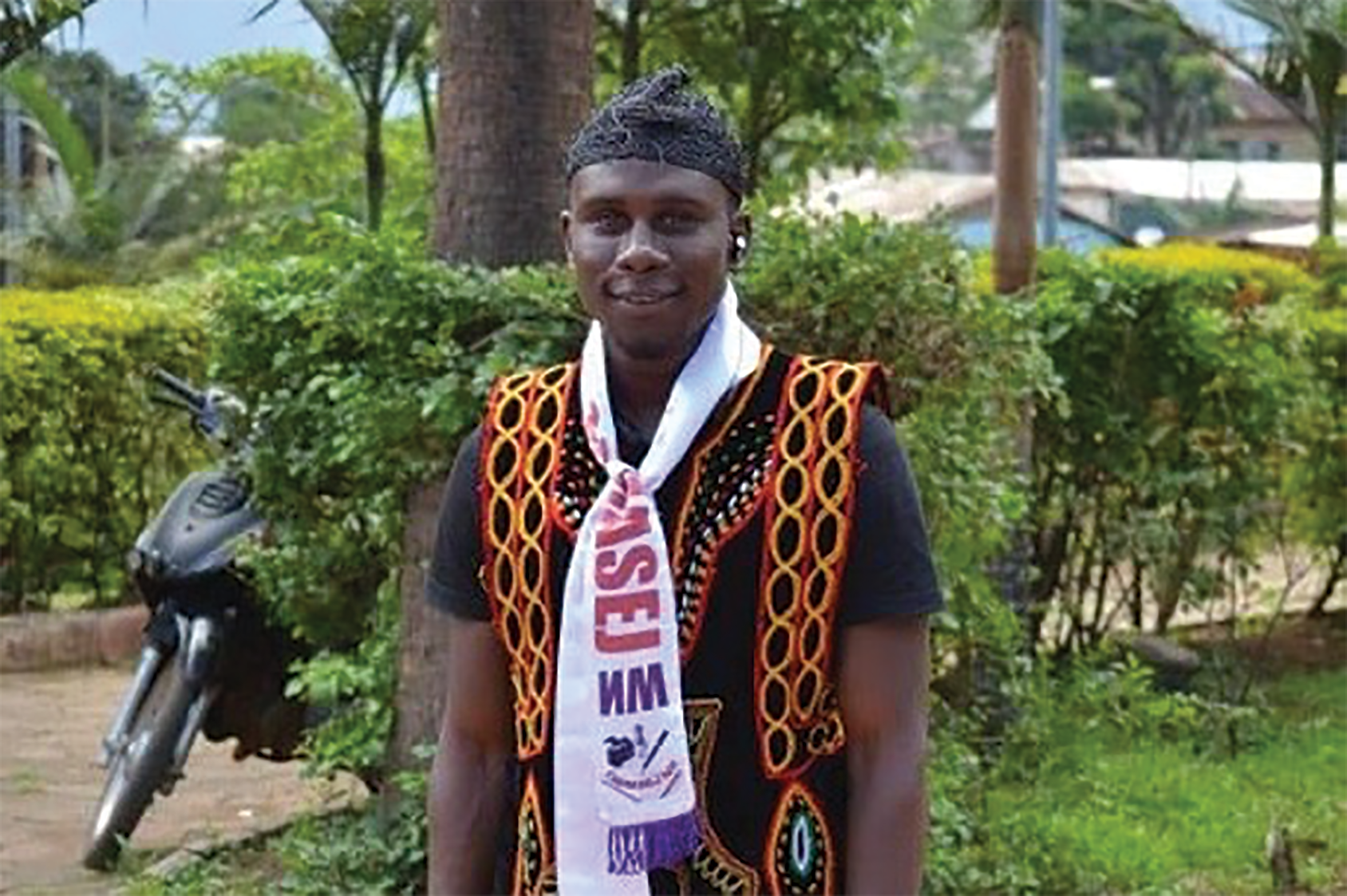
The International Press Institute (IPI) global network this week decried the killing of another journalist Anye Nde Nsoh, who was shot and killed by separatist fighters on May 7 – the third journalist to be killed in Cameroon this year.
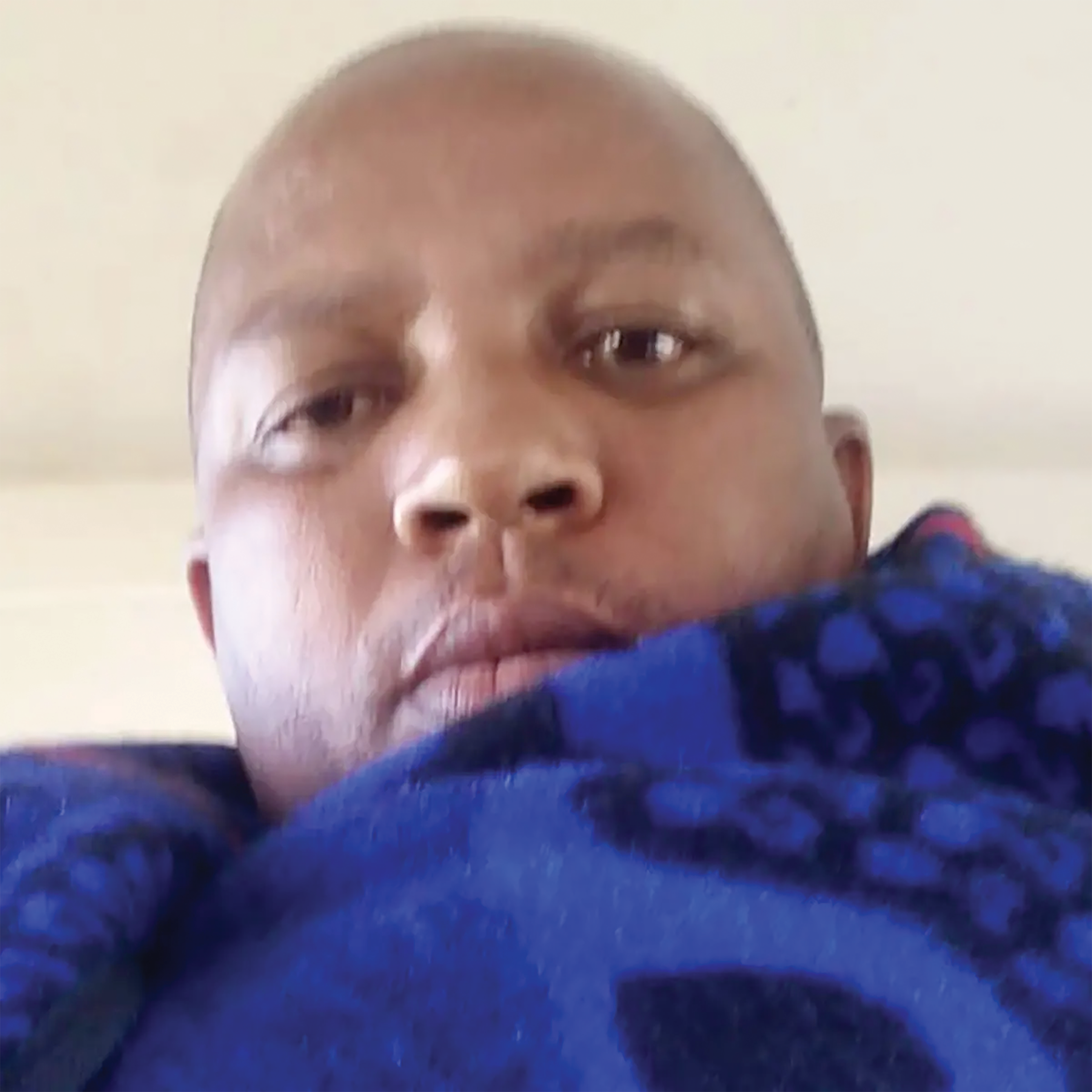
Nsoh, a journalist with The Advocate newspaper, was shot and killed while in a bar in Bamenda, a city in the northwest of Cameroon where separatist military groups have fought to succeed from the central government since 2016.
According to a video published online, a leader of the separatist group claimed that Nsoh was killed because he was mistakenly identified by the separatist fighter’s unit as a commander in the Cameroon army. In the statement, this leader said that the commander frequently visited the bar where Nsoh was killed and that the fighter responsible for this gruesome act regrets this incident.
In January this year, journalist Marinez Zogo from Amplitude FM was abducted and killed. A few weeks later, Ola Bebe’s body was also found close to his home in Mimboman, a suburb of Yaoundé, the capital city of Cameroon. Ola Bebe was a priest and journalist who worked with several media houses in Yaounde.
‘’IPI is deeply saddened to hear of the killing of Anye Nde Nsoh, who is the third journalist to be killed in Cameroon since January of this year. While it is yet to be determined whether he was killed because of his work as a journalist, his death puts a spotlight on the shocking spate of violence against journalists in Cameroon since the start of 2023”, IPI Director of Advocacy, Amy Brouillette said. ‘’We therefore urge authorities to take immediate action to ensure all journalists in Cameroon can work freely and safely. Authorities must also demonstrate their commitment to protecting journalists’ safety by conducting swift and transparent investigations into these killings, which are threatening the environment for press freedom and democracy in Cameroon.”
Published on the 99th Edition