 WeeklySA_Admin
Stress: Excessive booze and night work impact on sleep, causing body inflammation linked to the virus, according to latest research…
By Monk Nkomo
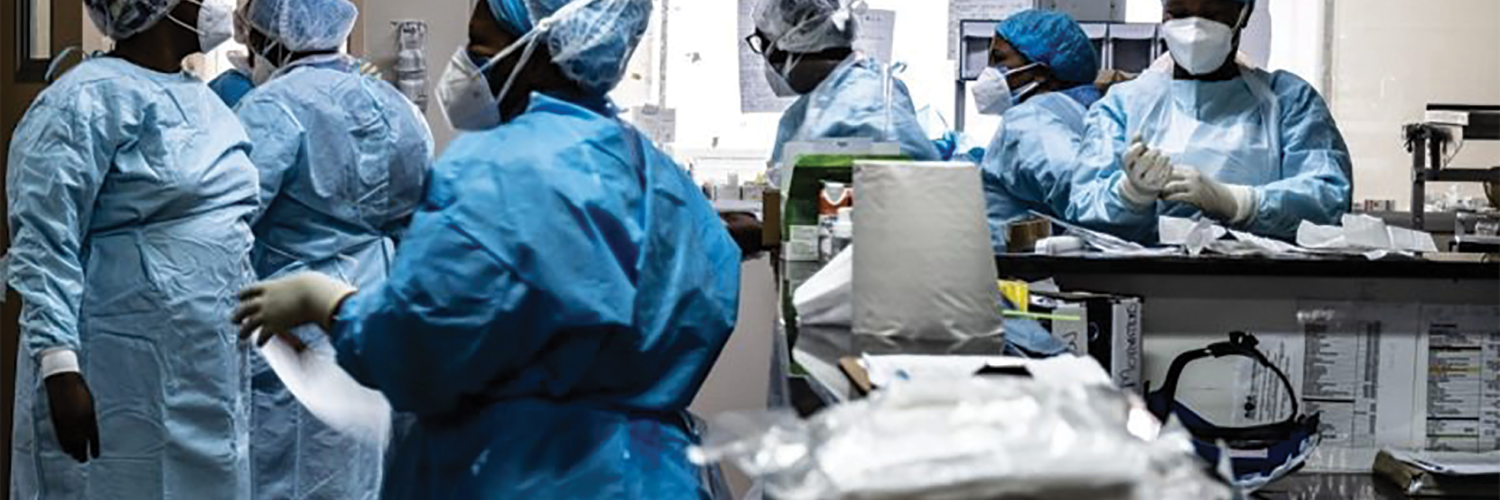
Excessive alcohol use and working the nightshift among nurses posed increased risk of health problems and doubled their prospects of contracting the deadly Covid-19 infection.
This is according to a latest study of nurses published in “Alcohol: Clinical and Experimental Research’’, in which members of the American Nurses Association were surveyed about nightshift work, alcohol use, sleep patterns, chronotype and experience with Covid -19 infection.
The study found that unhealthy alcohol use was associated with poor sleep quality and that nurses with high-risk alcohol use and binge drinking, were more likely to work the night shift. Chronotype is defined as a person’s natural inclination with regard to the times of day when they prefer to sleep or when they most alert or energetic. Chronotype is commonly understood through a person declaring themselves as being a ‘night owl’ or a ‘morning person,’ refers to the body’s natural tendency to sleep or perform well at certain times of the day.
Nightshift work and binge drinking were associated with an increased-rate of Covid infection. Additionally, shift work, binge drinking and high-risk alcohol use were associated with a later chronotype.
A total of 750 nurses were surveyed during the research and 25 percent of them met the criteria for alcohol misuse. “Those nurses tended to be younger, were more likely to be White and reported poorer sleep and greater stress, anger or worry prior to sleeping’’, the study found.
Five percent of survey respondents were binge drinkers and almost all drank six or more drinks on a single occasion. Sixteen percent were concerning non-binge drinkers who displayed a mix of unhealthy alcohol use behaviors.
Binge drinking has been defined as consuming five or more drinks on an occasion for men or four or more drinks on an occasion for women. The National Institute on Alcohol Abuse and Alcoholism defines binge drinking as a pattern of excessive drinking that brings a person’s blood alcohol concentration to 0.08 grams or above.
The research also revealed that people often used binge drinking as a way to self-medicate anxiety, depression and stress. Some did it as a way to relax after a difficult day at work or to blow off steam after school exams. Studies have revealed that if a person regularly drank more than the recommended limit of alcohol, this could damage their brain, causing their memory and ability to think clearly, to get worse over time, especially if the person drank too much over many years.
According to the latest study of nurses, both alcohol misuse and nightshift work have shown to impact on sleep and promote inflammation in the body, which has been linked to Covid-19 disease severity.
MISALIGNMENT
The findings from this study strongly suggest that alcohol and circadian misalignment contribute to the development of Covid disease in people exposed to the virus.’’
Male and female nurses – between ages 18 and 69 who worked day, evening, night or rotating shifts in a hospital or outpatient setting – were eligible for the study. The main age of study participants was 39-years-old and 95 percent of study participants were female, 32 percent were White and 55 percent were Filipino.
The study was limited by a relatively low response rate and a low overall Covid-19 positivity rate among respondents and an assessment of self-reported sleep patterns to determine circadian misalignment.
Circadian misalignment is the mismatch between the body’s natural sleep time and when sleep occurs, leading to poorer sleep quality.
‘’ Previous studies have shown later chronotypes to be at greater risk for circadian misalignment and health factors associated with severe Covid, including cardiovascular disease, diabetes and obesity. Later chronotypes who use alcohol have been shown to have poorer psychological well-being’’ said the researchers linked to the study.
The researchers of the latest study, following the limited response rate among their respondents, have recommended further research into the mechanisms of alcohol and circadian misalignment and that strategies must be suggested to improve health outcomes in night shift workers.
FIRE ANGIE MOTSHEKGA –MAIMANE
CONTROVERSY: Basic Education Minister’s 13-year tenure marked by string of dismal failures, says One South Africa leader…
By Robert Tlapu
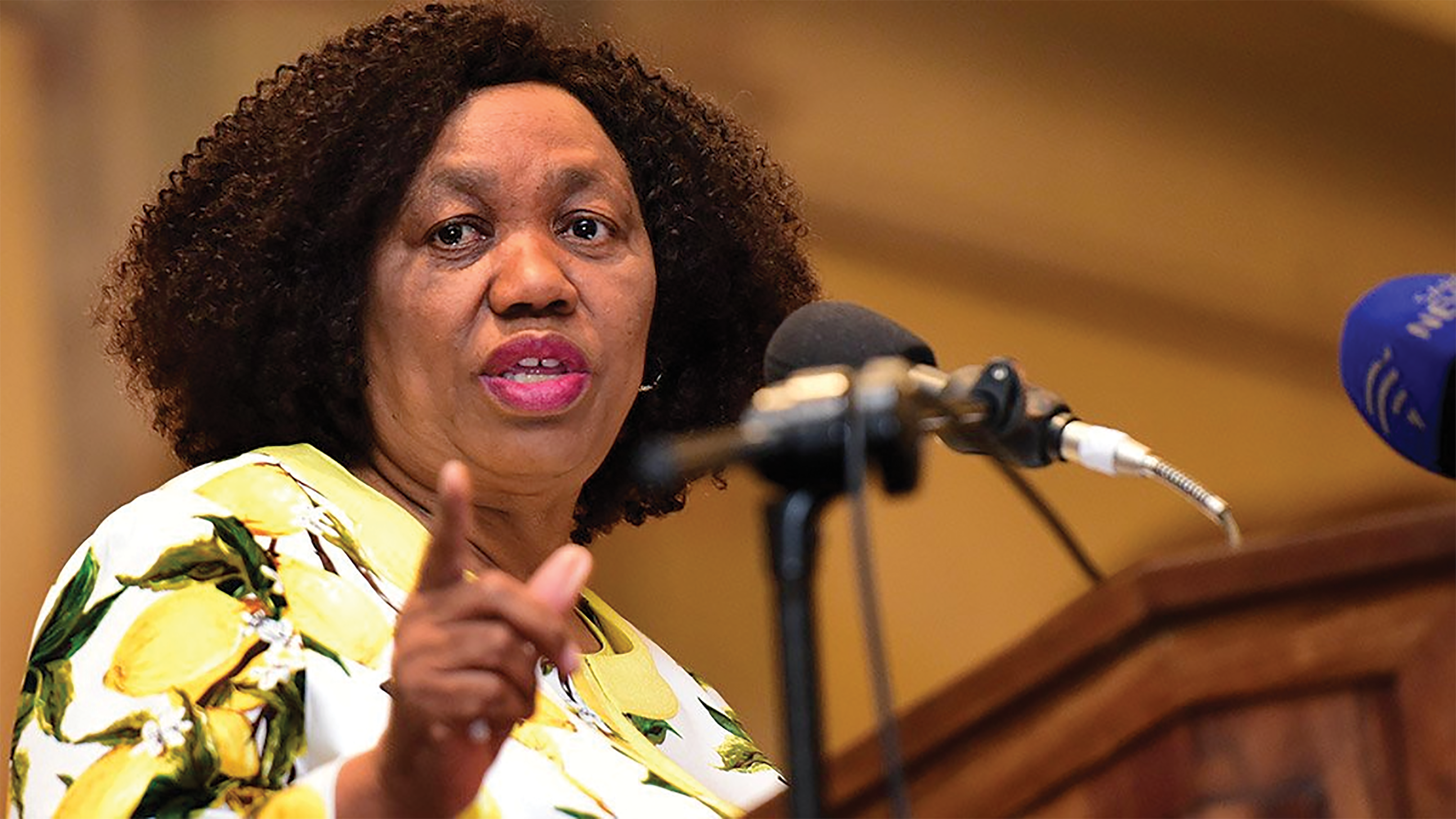
Build One South Africa (BOSA) leader Mmusi Maimane, is spearheading a public campaign to have Department of Basic Education (DBE) Minister Angie Motshekga fired from her job.
In a petition he launched through humanity organisation Change.org, Maimane says Minister Angie Motshekga has failed to deliver quality education that is relevant and globally competitive. His call follows a study by Progress in International Reading Literacy Study (PIRLS) which has shown that 81 percent of Grade 4 learners in South Africa cannot read for meaning. According to the petition, Motshekga has unsatisfactorily headed the portfolio since 2009, managing one of the largest budgets in the country, totalling R280 billion.
“We are not getting value for money. Her rank failure cannot continue any longer. We call for her immediate resignation and replacement”, says Maimane. The petition stated that South Africa lost half of every learner cohort that entered the school system by the end of the 12-year schooling period. Two out of 10 learners dropped out of school after Grade 3, four out of 10 after Grade 9, six out of 10 in Grade 10 and 7.3 after Grade 11.
Furthermore, the petition outlined that the underperformance of government in addressing this problem widened the inequality gap in society and undermined the future of millions of young people.
The petition continued that DBE’s own Diagnostics Report showed that the overwhelming majority of pupils who took crucial subjects in matric attained less than 50% in those subjects. The report also showed that over the past six-year period (between 2015 and 2020), a concerningly small percentage of pupils who wrote matric exams achieved 50% or higher in crucial subjects such as Mathematics (21.3%), Physical Science (27.1%), Accounting (28.8%), Life Sciences (29.6%), Economics (20.7%) and Business Studies (28.4%).
“These results affect the market and the unemployment crisis. It is common cause that the levels of education impact on one’s employment prospects,” Maimane adds. “We call for the immediate resignation and replacement with someone who believes in the talent of our youth; and who does the work to make this country globally competitive”.
LANGUAGE
Chandre Stuurman, senior attorney at Equal Education Law Centre (EELC), believes the South African education system is in crisis and remains deeply unequal. She also made reference to the 2021 PIRLS finding that 81% of Grade 4 learners cannot read for meaning in any language, including their home language.
“This results is divided along class and racial lines with English and Afrikaans language schools (quintile 4 and 5 schools) not having experienced any decline, but most African language schools (quintile 1 to 3 schools) have gotten worse in terms of reading outcomes. The majority of the quintiles 1 to 3 schools serve black working class learners in rural and urban township areas, learners who continuously pull at the short end of the stick”, stressed Stuurman.
She emphasised that although South Africa has a legal framework for the identification, management, and support of the so-called ‘underperforming schools’, EELC’s research shows that it does not focus on ensuring that disadvantaged schools receive the holistic support they need to address deeply entrenched and multi-pronged challenges.
“Government, in particular the national and provincial education departments, failed to adequately address the cracks in the education system that are letting learners down. More concerted efforts and political will are needed to address poor learning outcomes, including reading,” Stuurman said.
SECTION27 declined to comment on the matter. South African Democratic Teachers Union (SADTU) responded through the organisation’s media liaison officer, Nomusa Cembi, saying, “We believe that Mmusi is playing a political game by focusing on an individual when it is known that the challenges in education are systemic and can therefore not be solved by an individual.
“If he is interested in bringing solutions to challenges in education, he must come up with with concrete proposals and not target people,” Cembi said.