 WeeklySA_Admin
Challenge: The major challenge means that military patients faced complications and possible death
By Isaac Moledi
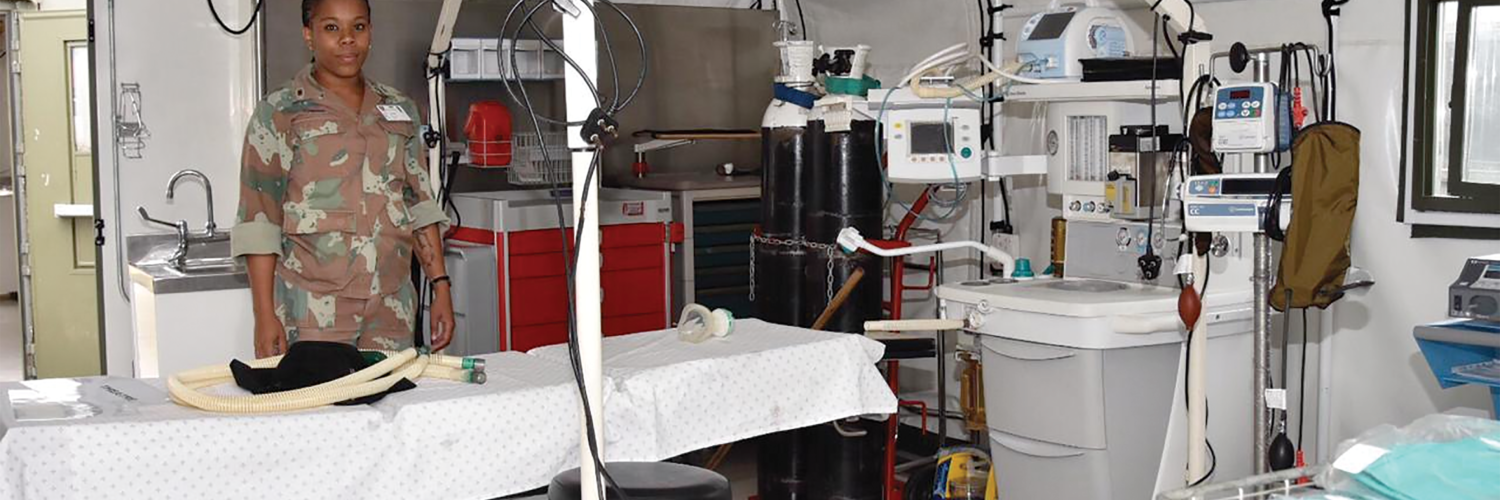
The poor state of the SA National Defence Force’s healthcare facility due to the funding shortfall risk the health of scores of military patients and their beneficiaries, a presentation by the directorate of the South African Military Health Service (SAMHS) to Parliament’s Joint Standing Committee on Defence (JSCD) has revealed.
Brigadier General Modikana Langa, Director of the Military Health Planning of the SAMHS, told the JSCD that the major challenge facing the SAMHS in fulfilling its mandate of providing required healthcare services to the SA National Defence and Military Veterans and its members, was limited by the funding shortfall in the defence department’s budget. The shortfall meant that military health patients faced complications and possibly death. Defence and Military Veterans Minister, Thandi Modise recently tabled her budget to a mini-plenary of the National Assembly, warning of a looming budget shortfall of R3 billion. The defence department was allocated R49. 1 billion for the 2022-23 financial year.
In a related presentation to the JSCD last month, Brigadier General Andre Barends, DoD director of Technology Development, told the oversight committee that DoD continued to carry out defence research and development in spite of the funding shortfall. He said the DoD continued to invest in research and development projects for the national defence force, ranging from radar to vehicle electric drive and target drones in spite of a R560 million funding shortfall over the next three years. Briefing the oversight committee last week, Langa said R2.707 billion was needed to improve the capacity and capability of the three military hospitals in its portfolio. These included 1 Military Hospital in Thaba Tshwane, 2 Military Hospital in Wynberg, Cape Town and 3 Military Hospital in Tempe, Bloemfontein.
The billions of rand needed, according to Langa, would involve R1.5 billion annually for human resources and a R1.182 billion once-off capital injection. The latter would cover ambulances, digital infrastructure, medical equipment, digitization of records and improved security systems.
Langa’s presentation revealed a requirement at the three military hospitals and five sickbays of 1 631 personnel at a cost of R721 million. Disciplines include medical specialists; nursing, medical and dental officers; healthcare and support personnel. To fully fund the SAMHS would cost R9.6 billion a year while the actual allocated budget is R5.5 billion and the R4.5 billion underfunding did not take into account inflation, population growth and more SANDF operations.
These affect day-to-day unit combat readiness, quality of patient care, acquisition and retention of scarce skills, equipment and facility refurbishment.
Langa listed eight key requirements to optimise military healthcare. These are acquisition and retention of HCPs (healthcare professionals); upgrading military health facilities; bringing pharmaceutical stocks to a required level; establishing in-house capabilities for workshops/factotums to concentrate on medical facilities and equipment; medical equipment; contemporary and digital technology; electronic security surveillance systems as well as electronic and virtual learning.
On military medical facilities, Langa told parliamentarians a protracted infrastructure programme worsens SAMHS’ financial situation pointing especially to the ongoing refurbishment and upgrade of 1 Military Hospital. Other facilities he named were hospitals at Air Force Base (AFB) Hoedspruit in Limpopo and the SA Army Combat Training Centre (CTC) at Lohathla in the Northern Cape as requiring significant repairs and maintenance.
If not attended to, SAMHS could lose accreditation with bodies such as the national Department of Health and the Health Professions Council of South Africa (HPCSA), said Langa.
Other concerns are the possible loss of junior HCPs as well as a direct impact on job satisfaction, standard of care, skills retention and on-thejob training. He pointed out SAMHS has already lost specialists due to medical facilities and equipment not complying to laid down standards.
Further bad tidings were what he termed “ageing main medical equipment (MME)” saying it requires constant repairs and servicing with repair and calibration taking too long due to spares unavailability. In turn this means long waiting times and delays for patients requiring specialist medical intervention with patients potentially exposed to complications and even loss of life.
According to Langa, the SAMHS is mandated to provide a health support capability of five medical battalion groups, including accompanying field hospitals and a specialist medical battalion group for deployed and contingency forces (Joint Force Employment Capabilities). The second SAMHS output is to ensure a comprehensive multidisciplinary military health service for a projected patient population of 302 000 people a year, including military veterans and VVIPs by way of the Presidential Medical Unit (PMU). Challenges the SAMHS faces in delivering on its mandate include an ageing military population requiring more support; reimbursement issues with the Department of Military Veterans (DMV) affecting veterans’ healthcare and the loss of millions of rand annually due to medical malpractice/negligence claims driven by the quality of healthcare services and clinical errors.
Highlights over the last year include supporting the National Department of Health during strikes in March at hospitals in North West, Gauteng and KwaZulu-Natal; providing healthcare services to the public in February as part of Armed Forces Day (Project Owethu) as well as healthcare services to rural KwaZulu-Natal residents during Exercise Shared Accord 2022 in June and July.-Additional information by defenceWeb.
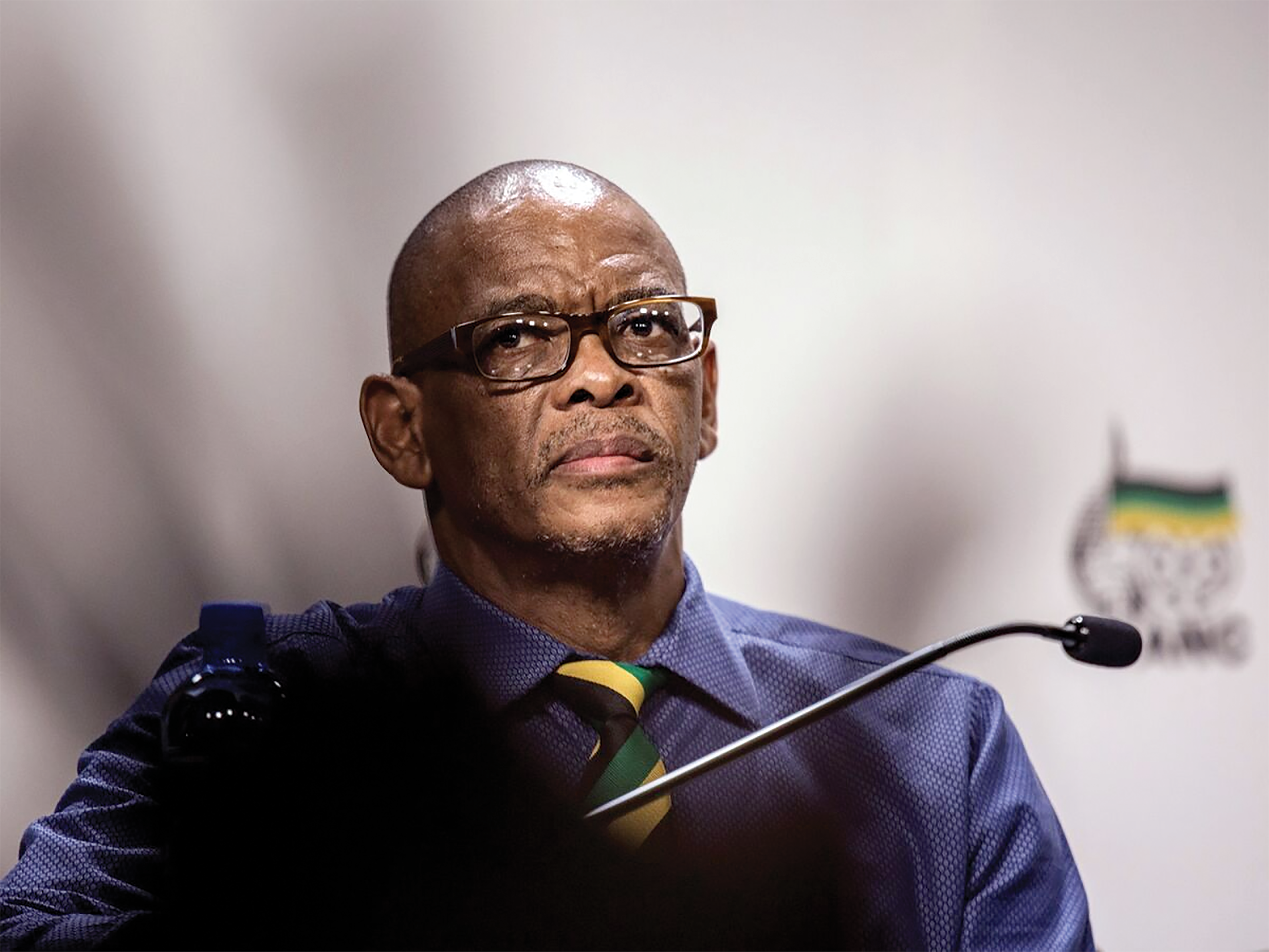
SIU to probe Magashule’s controversial premiership bursary scheme
GO-AHEAD: Spotlight to fall on possible irregular, improper or unlawful conduct by officials or employees at Office of the Premier…
By Lehlohonolo Lehana
President Cyril Ramaphosa has given the green light to the Special Investigating Unit (SIU) to investigate allegations of “serious maladministration” in the Free State premier’s office during Ace Magashule’s tenure.
The investigation comes on the back of concerns of maladministration contained in a report by the auditor-general.
In 2017, Magashule allocated more than R149 million to the controversial provincial bursary scheme.
The bursary scheme was also the subject of discussion at the commission of inquiry into state capture in 2021.
SIU spokesperson Kaizer Kganyago says the agency will Investigate any irregular, improper or unlawful conduct by officials or employees at the Office of the Premier.
“The investigation will also focus on the Office of the Premier’s annual report for the 2017/2018 financial year concerning the approval, allocation, or payment of bursaries, including travel, accommodation and stipends to persons who were not entitled or were given in a manner that contradict the applicable manuals, policies, procedures, prescripts, instructions, or practices of the Office of the Premier.”
Kganyago says if the unit uncovers evidence of criminal conduct the report will be sent to the National Prosecuting Authority.
“The probe will also look into payments made in respect of student accommodation, including the causes of such maladministration and any related unauthorised, irregular or fruitless and wasteful expenditure incurred by the office.”
“The proclamation covers allegations of unlawful and improper conduct that took place between 1 January 2018 and 9 June 2023, the date of the publication of the Proclamation or before 1 January 2018 and after the date of the proclamation that is relevant to, connected with, incidental to the matters or involves the same persons, entities or contracts investigated.”
The latest development follows the announcement by African National Congress (ANC) secretary-general Fikile Mbalula of the governing party’s intention to expel Magashule for his 2021 attempt to suspend Ramaphosa as ANC president.
Magashule’s premiership has been shrouded in controversy since October 2020 when corruption charges were brought against him, tender tycoon Edwin Sodi and 10 others relating to a R255 million Free State asbestos tender deal. – www.fullview.co.za