
 WeeklySA_Admin
CONSEQUENCES: Why It’s Important to diagnose the condition as soon as possible…
By WSAM Correspondent
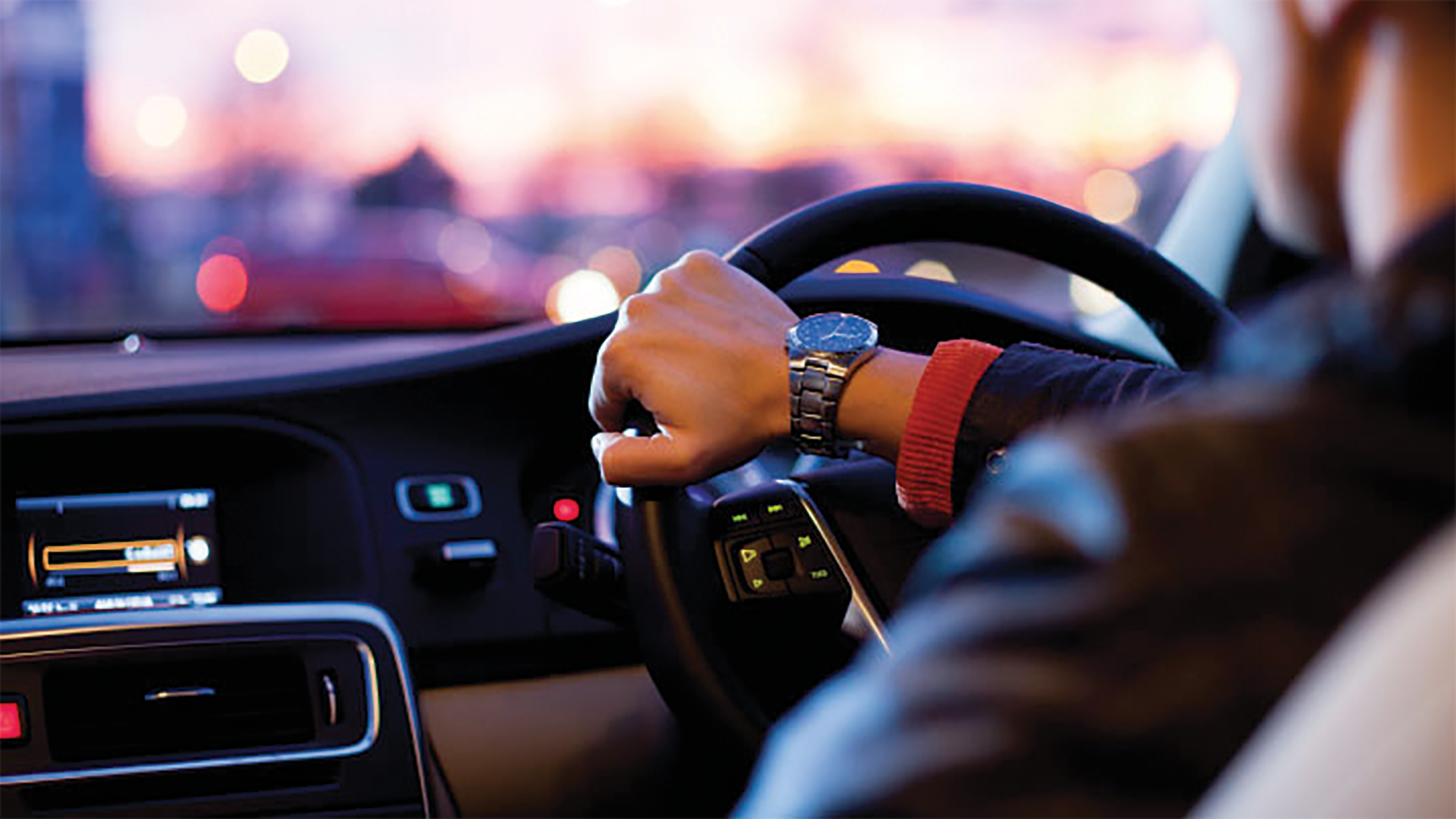
MINNEAPOLIS – Prior to being diagnosed with epilepsy, five percent of people with a type of epilepsy called focal epilepsy had a seizure while driving, according to a new study published in the June 7 online issue of Neurology medical journal of the American Academy of Neurology.
Focal epilepsy accounted for more than half of all cases of epilepsy, with people suffering from this form of condition have recurring seizures that affect one half of the brain.
“Seizures while driving pose substantial risks for those experiencing them and for others on the road,” says researcher Dr Jacob Pelline of the University of Colorado in Aurora and a member of the American Academy of Neurology.
“While medication may make it possible for some people with epilepsy to safely drive, they must first be diagnosed. Our study sought to define how often seizures happen while driving before a diagnosis and then how long it takes before a person is diagnosed. Our results can then help inform how to diagnose people sooner, with a goal of lowering the number of pre-diagnosis seizures on the road.”
For the study, researchers identified 447 people with focal epilepsy. Participants had an average age of 29 when they experienced their first seizure.
Researchers looked at participants’ medical records prior to their epilepsy diagnoses. They found 23 people, or five percent of participants, experienced one or more seizures while driving, for a total of 32 seizures while driving prior to diagnosis.
Of the 23 people, seven people, or 30 percent, had more than one seizure while driving prior to diagnosis. For six people, or 26 percent, their seizure while driving was their first-ever seizure.
The consequences of these seizures while driving included 19 motor vehicle accidents and 11 hospitalisations for injuries ranging from a tongue bite and a dislocated thumb to a near drowning.
Researchers found that the average time from experiencing a first signs to experiencing a seizure while driving was 304 days.
The average time between a person’s first seizure while driving to being diagnosed with epilepsy was 64 days.
People who were employed had a four times greater risk of experiencing a seizure while driving prior to diagnosis than those who were not employed.
People who experienced non-motor seizures, where movement stops and a person may simply stare, had a nearly five times greater risk of experiencing a seizure while driving prior to diagnosis than those who had a motor seizure, which can include sustained jerking movements or muscles becoming weak or alternately becoming rigid.
“Considering the United States has a population of just over 200 million people between ages 16 and 64, and considering the annual incidence of epilepsy, there are roughly 126,180 driving-age people in the country diagnosed with epilepsy each year,” said Pellinen.
“From our study, we estimate nearly 6.500 people per year may experience pre-diagnosis seizures while driving in the United States alone, leading to nearly 4,000 possible motor vehicle accidents and over 2,200 hospitalizations. Much of this may be preventable by earlier diagnosis.”
A limitation of the research was that some seizure history for participants was self-reported, and they may not have remembered all details correctly. Pellinen noted this may also have led to underreporting of the number of seizures while driving. In addition, the study was small and examined only one type of epilepsy. Future studies are needed in larger groups of people.
The American Academy of Neurology is the world’s largest association of neurologists and neuroscience professionals, with over 40 000 members. The AAN is dedicated to promoting the highest quality patient-centred neurologic care.

POTTY
BOOZE AND ‘POT’ CAN MAKE YOU POTTY
LETHAL: Concurrent use of alcohol and cannabis leads to higher levels of drinking in the longer term…
By WSAM Correspondent
Co-existing use of alcohol and cannabis can lead to negative outcomes such as the development of a substance-use disorder, poor academic and occupational performance, and psychiatric disorders when compared to use of either drug alone.
New research that examines simultaneous alcohol/cannabis use has found higher levels of drinking after 18 months. These results and others will be shared at the 46th annual scientific meeting of the Research Society on Alcohol (RSA) in Bellevue, Washington, end of the month.
“The prevalence of concurrent use of alcohol and cannabis is increasingly recognized as a risk factor for experiencing a number of mental health problems,” said Eric D. Claus, associate professor of biobehavioral health.
“For this study, we used data] from a larger longitudinal study on heavy drinkers [to identify 88 individuals who reported using only alcohol at baseline and 24 who reported use of alcohol and cannabis on at least 50% of drinking days at baseline.”
Participants also completed neuroimaging sessions, which included a task of stress and alcohol cue reactivity and a stop signal task.
“We found that the concurrent use group had higher levels of drinking over the past month at an 18-month follow-up visit, he said.
“If greater drinking intensity continues and the individuals experience more consequences, it seems reasonable to hypothesise that drinking levels could continue to exceed National Institute on Alcohol Abuse and Alcoholism drinking guidelines five years out, but this needs to be tested further.”
Claus will expand on his findings at the RSA meeting at the end of the month.
“Concurrent use of alcohol and cannabis may be associated with an increased response in neural circuits associated with the processing of stress compared to use of alcohol alone,” said Claus. Furthermore, he added, this finding underscores the importance of targeting prevention efforts for individuals who report concurrent alcohol and cannabis use.
“Given the rapidly changing landscape of cannabis legislation in the US,” noted Clause, “it will be particularly important to continue research in this area to better understand the risk factors that predict who is likely to engage in concurrent use of alcohol and cannabis as well as to characterize the mechanisms that lead to varying trajectories of use among individuals reporting concurrent use.”