
 WeeklySA_Admin
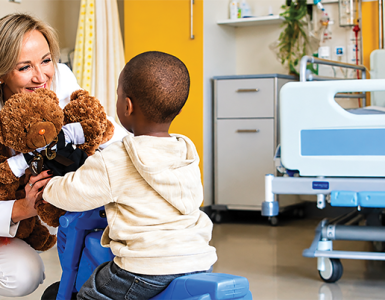
ANOMALY: Healthcare professionals globally receive very little training on how to manage patients’ pain, and as a result, graduates lack the skills, knowledge and aptitudes they need…
By Niémah Davids
“Ouch!” A common phrase everyone uses at some point to express pain. Whether you’ve just stubbed your toe, struggling to overcome a nasty migraine, or burned your finger as you removed your favourite dish from the oven – it’s always, “ouch!” But what is pain?
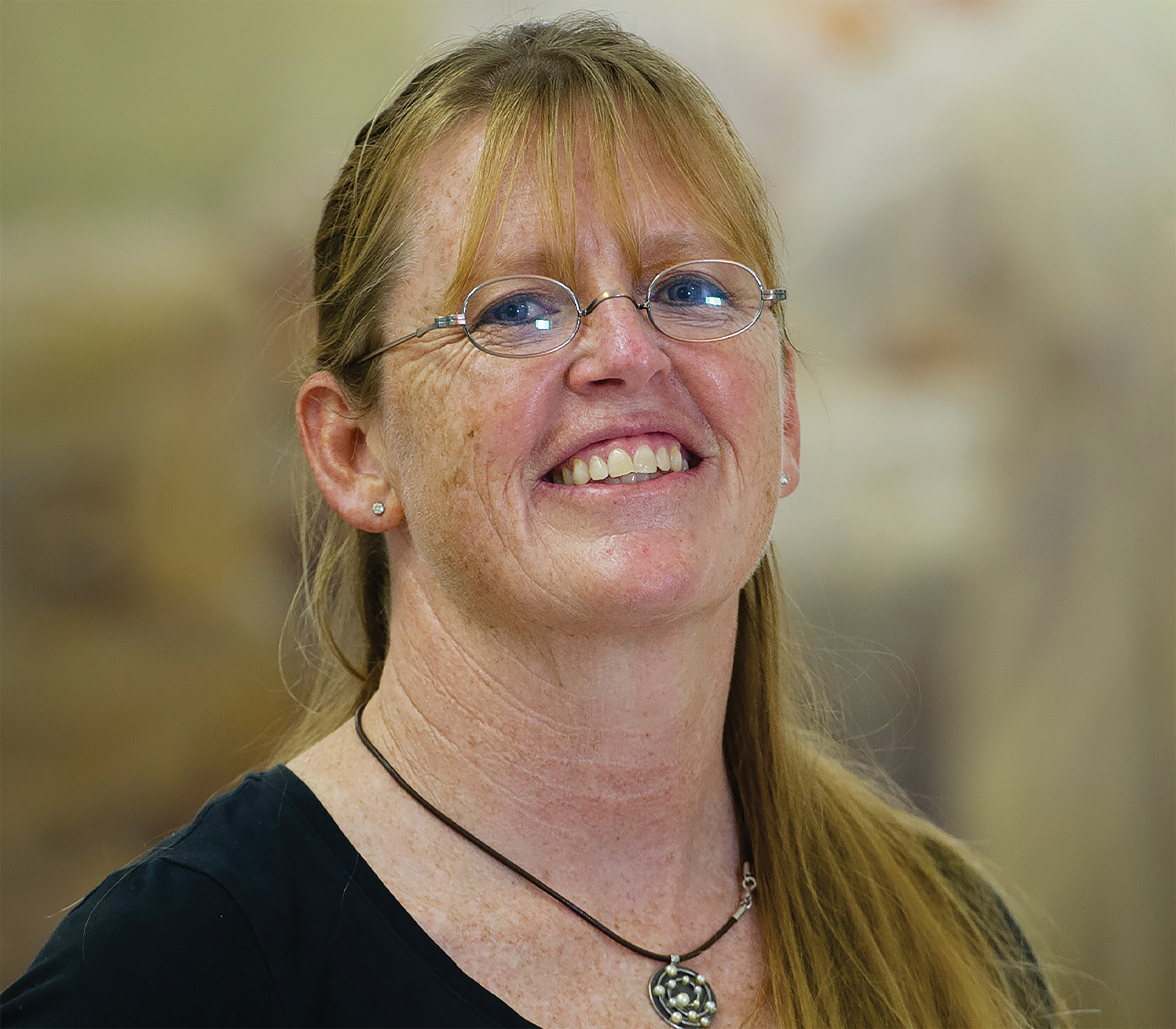
The fascinating concept that everyone can relate to was the topic of discussion during the latest instalment of the University of Cape Town’s (UCT) inaugural lecture series presented by Professor Romy Parker. Her lecture was titled “Pain management to reduce suffering in South Africa – integrating interdisciplinary research into the healthcare professions”.
Parker, whose career started in sports physiotherapy, is now the director of the Pain Team in UCT’s Department of Anaesthesia and Perioperative Medicine. She’s a researcher, clinician and teacher, and in 2019 she received UCT’s Distinguished Teacher Award – the university’s highest teaching accolade. She’s also part of the interdisciplinary team at Groote Schuur Hospital’s Chronic Pain Management Clinic.
“Pain is not about tissue damage; pain is about so much more. Pain is really about human beings,” she said. “Too often we decide on treatment for people based on imaging or on tissue issues only. That’s one dimensional and pain is multidimensional. It’s not purely about tissue issues. It’s about people.”
What is pain?
Parker divided the concept of pain into four categories:
- a conscious construct of the brain
- a sensory emotion
- something individuals experience when they feel threatened
- a process in which the brain continuously samples internal and external environments at a subconscious level.
“How many of you cut yourselves and don’t notice it? And when someone walks over and says: ‘You’re bleeding’, you look down, see the blood and suddenly it starts to sting. But it wasn’t sore a second ago. Because your brain starts to process more information once you’ve noticed the blood, and it automatically starts to generate the pain,” she said.
Did you know?
It’s also “absolutely possible” to feel pain in the absence of nociception. Nociception, Parker explained, deals with a series of events and processes an organism requires in order to receive a painful stimulus, convert it to a molecular signal and recognise and characterise the signal to trigger an appropriate defensive response. Therefore, when clinicians examine patients in pain, order various blood tests and imaging to locate the source of the pain, and fail to find the root of the problem, it’s invalid to conclude that the patient is not really in pain.
By way of an example, she said, the pain of heartbreak and loss is real and is felt deeply by a loved one. Yet, that pain won’t emerge as a red flag in blood tests or on a patient’s x-ray results. However, Parker added, functional MRI scans conducted on people suffering from pain after the loss of a loved one revealed the same kind of brain activity typically experienced after someone fractures a bone or experiences other forms of physical trauma, indicating that they are in pain.
“Pain is such a complicated thing. We need ways of making sense of it and getting a handle on it in one way or another. So, a couple of things we do as pain clinicians and researchers is we classify pain,” she said.
Types of pain
Individuals experience two different types of pain: acute pain, which is perfectly normal and occurs within the first two to six weeks of an injury; and chronic pain, which refers to pain that has been present for more than three months. She said acute pain occurs soon after an injury during what’s referred to as the first inflammatory phase of healing (lasts seven to 10 days) and the pain gets worse before it gets better. During the second tissue regeneration phase (up to six weeks after an injury) the tissue begins to regenerate and heal.
“There’s still a bit of pain and remodeling that goes on after the regeneration phase before the third remodeling phase of healing, which lasts three months. But after three months most tissue healing processes are done. That’s why we refer to most chronic pain as pain that’s been present for more than three months. It’s no longer about the tissue; it’s about something else,” Parker said.
But clinicians and researchers have now moved beyond time-based classifications of pain and instead focus on the three mechanisms of pain: nociceptive pain – pain that stems from actual or threatened damage to non-neutral tissue and activates nociceptors; neuropathic pain – pain that stems from a lesion or disease of the somatosensory nervous system; and nociplastic pain – pain that stems from altered nociception despite no clear evidence of actual tissue damage.
“Mechanism-based classification of pain prompt us to think about the underlying psychoneuro-immune physiology contributing to pain,” she said.
‘Pain interrupts our meaningful life roles’
Parker said pain is crucial because it affects an individual’s quality of life. More than that, she added, it interrupts, interferes and disrupts the patient’s identity. Pain affects thousands of South Africans. In a cross-sectional research study conducted in 2010, 36% of participants who visited community healthcare centres in Cape Town reported chronic musculoskeletal pain that was not related to an injury. In a separate study eight years later, 62% and 45% of women in community healthcare centres in the Free State and the Western Cape respectively reported chronic joint pain.
“Pain stops your thinking, it stops you from doing, and stops you from engaging. But it doesn’t just interrupt you in that way, it interrupts your physiology in multiple ways. People with severe post-operative pain are more likely to suffer from a whole range of complications post-procedure, like infections, delay in wound healing and depression,” she said. “Pain interrupts us as human beings. It interrupts our relationships; it interrupts our meaningful life roles; it interrupts our joy.”
How pain affects South Africans
Sadly, one in every five South Africans are living with pain and patients commonly seek assistance at primary healthcare level because of it. But what can be done to support patients with pain? Parker said healthcare workers can make the difference they need.
Engaging with patients on an emotional, psychological, cultural and religious level is step one. And rather than using the biopsychosocial model in their work, she suggested healthcare workers adopt the sociopsycho-biological model and think about people and contexts first.
She said there’s a lot that can be done to combat pain and teaching and training healthcare professionals is an important piece of the puzzle. But healthcare professionals globally receive very little training on how to manage patients’ pain, and as a result, graduates lack the skills, knowledge and aptitudes they need once they leave the lecture hall – and that needs to change.
“If pain is about threat, then treatment is in everyone’s scope of practice,” Parker said.
This article was sourced from UCT News

KEEP ON MOVING
BETTER HEALTH: Starting with just 30 minutes of movement a day has significant health benefits for hearts, bodies and minds
By Nonhlanhla Makhajane
The world is moving faster than ever, but people are moving less. What is not in dispute, however, is that regular physical activity can help prevent or manage certain diseases, like heart disease, stroke, diabetes and some types of cancers.
It also helps to prevent hypertension, and it reduces symptoms of depression and anxiety. Being active also ensures healthy growth and development in young people and staying healthy in later life.
Research has found that one in four adults and over 80 per cent of young people do not meet the recommended minimum activity levels needed for optimum health (WHO, 2022). Not having enough time in the day is one of the most common reasons given for not being able to reach this goal. At the same time, starting with just 30 minutes of movement a day has significant health benefits for hearts, bodies and minds.
This is the basis on which the World Health Organization, WHO, together with the International Olympic Committee (IOC) decided to launch Let’s Move campaign on Olympic Day, June 23, to inspire and enable the world to move for better health.
Led by Olympians and created in collaboration with WHO, Let’s Move will begin on June 23 with an invitation to make time every day for movement for better health. On the day the Olympic Movement will encourage and support people around the world to make this time in their daily lives to move in any way, anywhere.
This includes a digital invitation from Olympians Allyson Felix, Pau Gasol, PV Sindhu, Yusra Mardini– to name a few of the athletes involved – to schedule 30 minutes to move this day with them and to join the Let’s Move Olympic Day digital workout from anywhere in the world, with the ambition of turning this into a daily habit.
Dr Tedros Adhanom Ghebreyesus, WHO Director-General, said, “The Olympic Movement has a unique ability to harness the power of increased physical activity through sport for improving public health. Olympians are more than athletes: they are role models for people to enjoy sport and the benefits of physical activity. The Let’s Move initiative, supported by the WHO, combines the power of the Olympics and WHO’s advice on physical activity to help inspire and motivate people to move more for better health.”
Past and future Olympic hosts will also take part in the initiative by encouraging people to exercise in their local communities. Paris 2024 (along with the French Ministry of National Education and Youth and the Ministry of Sport and the Olympic and Paralympic Games) has already introduced 30 minutes of physical activity as part of the school curriculum over the past 12 months, in recognition of the multitude of mental and physical health benefits of daily exercise.
Over 131 mass participation events and digital activations will take place in all corners of the world, being organised by the National Olympic Committees (NOCs) and the wider Olympic Movement, providing an opportunity for everyone to move together on Olympic Day.
Olympians are more than athletes: they are role models for people to enjoy sport and the benefits of physical activity. The Let’s Move initiative, supported by the WHO, combines the power of the Olympics and WHO’s advice on physical activity to help inspire and motivate people to move more for better health.”
Past and future Olympic hosts will also take part in the initiative by encouraging people to exercise in their local communities. Paris 2024 (along with the French Ministry of National Education and Youth and the Ministry of Sport and the Olympic and Paralympic Games) has already introduced 30 minutes of physical activity as part of the school curriculum over the past 12 months, in recognition of the multitude of mental and physical health benefits of daily exercise.
Over 131 mass participation events and digital activations will take place in all corners of the world, being organised by the National Olympic Committees (NOCs) and the wider Olympic Movement, providing an opportunity for everyone to move together on Olympic Day.