
 WeeklySA_Admin
DESTINATION 2030: Key to the West African country’s strategy is to boost the sector’s growth through transforming itself into Africa’s creative, cultural and entertainment capital…
By WSAM Correspondent
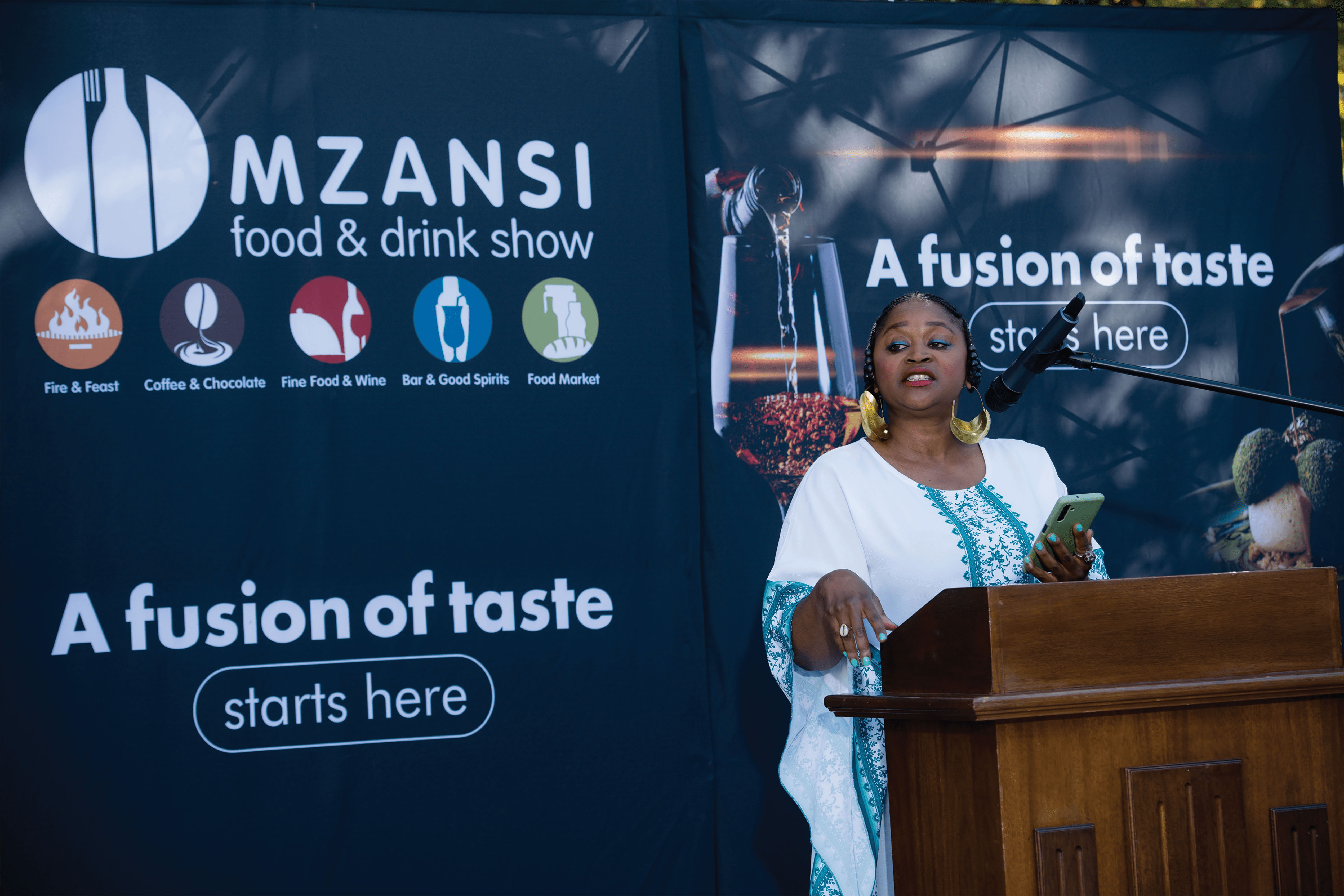
ABUJA, Nigeria — Nigeria’s newly appointed special advisor on culture and entertainment economy, Hannatu Musa Musawa, on Wednesday outlined a plan to boost growth in the country’s creative economy.
Speaking at a closed briefing in Abuja, Musawa said Nigeria’s goal was to deliver a national strategy that supports President Tinubus’ plan to double the national economy to R19 trillion within eight years.
“As demonstrated by the bold decisions made thus far by the President, this administration has a transformative agenda that has the Nigerian people at its core,” she added. “The developments planned in the creative space will reflect this by ushering in a new era where the Government engages with, and supports the extensive talent in the country in building a vibrant sector on par with global cultural capitals”.
Dubbed Destination 2030, the initiative aimed to unify all the sectors in the space under a single vision, that is to position Nigeria as Africa’s creative, cultural and entertainment capital. The reach would be fully inclusive, from literature, music and film to design, visual arts & heritage… “everything will be in focus and appropriately deployed in promoting Nigeria’s cultural identity on a global scale,” she said.
According to Musawa, a robust creative and cultural economy could be a significant catalyst for growth and presents an opportunity for Nigeria to leapfrog its current development trajectory. By implementing the plan, the sector had the potential to become a substantial contributor to the country’s economic growth, contributing meaningfully to national GDP and creating much needed jobs for talented youth in the sector. The creative economy, culture & tourism contributed more to global GDP than Oil & Gas production, this is instructive and provides an inspiring benchmark, she added.
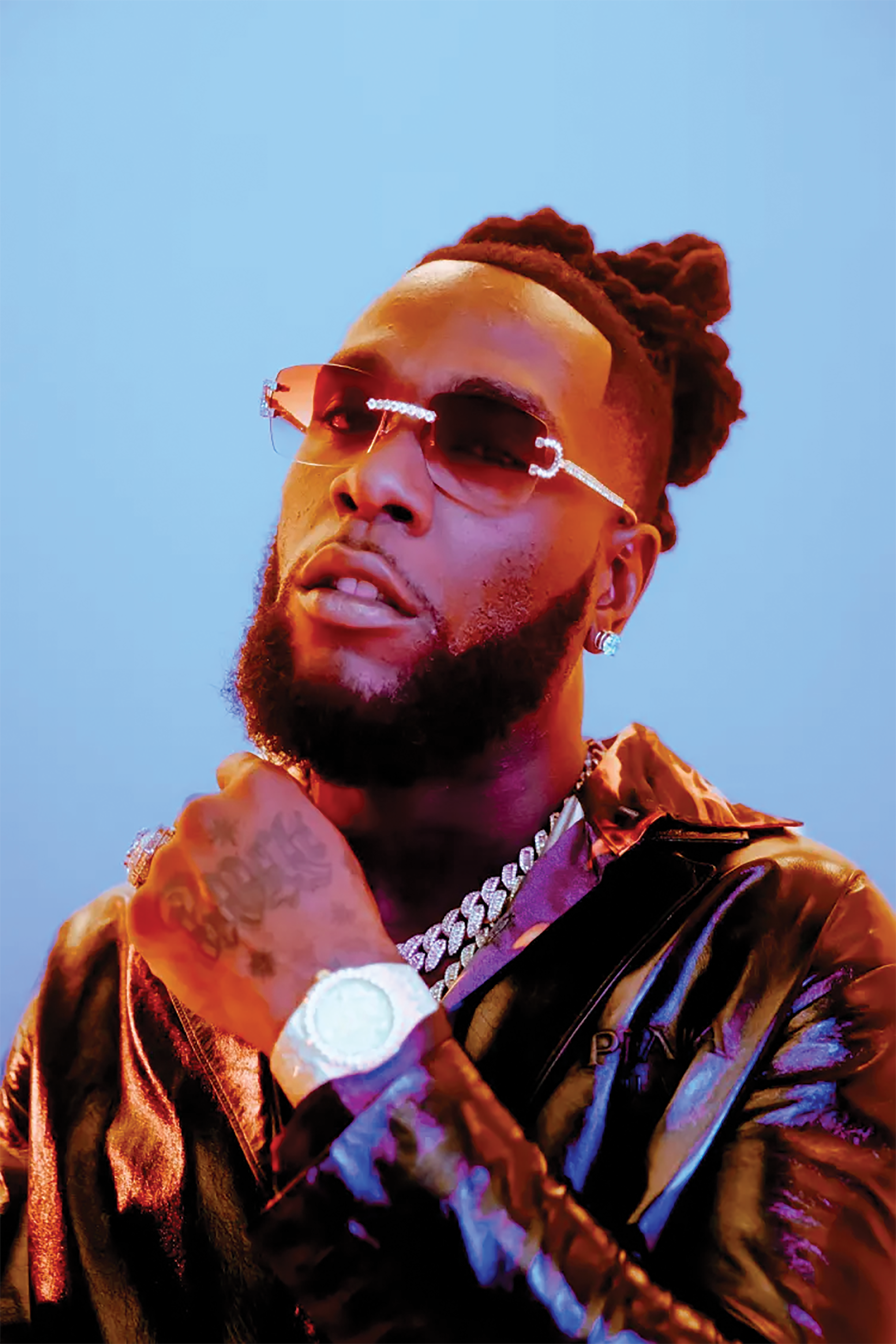
Nigerian artists such as Burnaboy, Asake and Wizkid, curators like Tokini Peterside and Nike Okundaye, as well as writers like Teju Cole and Helon Habila, plus artisans, and other contributors to the sector, were all already exporting Nigeria’s vibrant culture to the world.
“This culture, and the country’s heritage, as preserved in various iconic museums such as the Badagry Slave Museum and Gidan Makama Museums as well as recent developments like the JK Randle Centre and Yemisi Shyllon Museum, all offer a rich narrative for the global PR and marketing campaigns that a new media office will lead,” she said.
Musawa added: “Nigeria sits at an inflexion point where our global cultural impact is at an all-time high, combined with a new progressive administration, the time is now to support the talent and institutions that power the cultural, entertainment and creative economy”.
Citing Afrobeats & Nollywood as now firmly part of global pop culture, Musawa said: “We have “greats” and contemporary talent in almost every part of the space. For example, in Visual Arts, we of course have Enwonwu and the masters of the Oshogbo School who have been global legends for decades, but today we also have Rom Isichei, William Chechet and many others that are carving out a place for themselves in the Art world”.
Closing the briefing, she summed up the road ahead: “Our aim is to turn things around and ensure that this is indeed the beginning of a sustainable long term ‘revival’, I am extremely excited about the possibilities that lie ahead”.
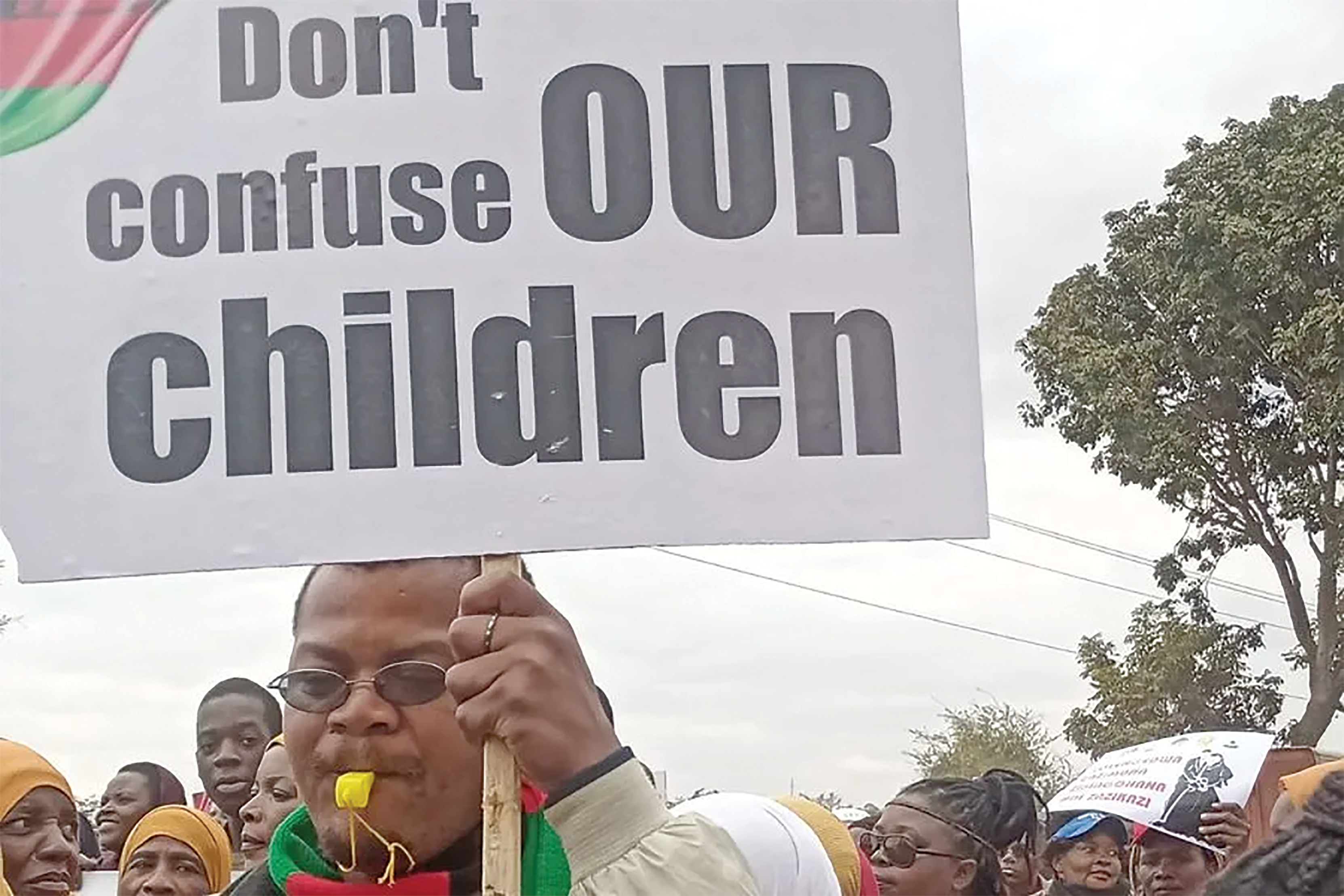
‘We are not ready’
ORIENTATION: Demonstrators express their outrage at same-sex marriages during a march in Malawi, calling for the protection of the institution of the family
By ACI Africa Staff
Religious leaders in Malawi have expressed their disapproval of same-sex relationships through peaceful protests in the Southern African nation’s major cities.
At July 13 demonstrations that members of the Episcopal Conference of Malawi (ECM) spearheaded in collaboration with the Malawi Council of Churches (MCC), and the Muslim Association of Malawi, the protesters called on President Lazarus Chakwera to resist the external pressure to legalize same-sex marriages.
Speaking before presenting a petition to Government spokesman, Moses Kunkuyu, in Lilongwe, MCC President, Rev. William Tembo, said same-sex relationships are “strange, and we are not ready to accept these unfamiliar phenomena in Malawi”.
“We are a family-oriented nation, a nation that fears God, and that is why the church stands against same-sex campaigners,” Rev. Tembo during the peaceful protests in Lilongwe that Archbishop George Desmond Tambala spearheaded.
In Blantyre, Archbishop Thomas Luke Msusa of the Catholic Archdiocese of Blantyre condemned said same-sex unions as sinful, and added, “If we change the way we live as a family, it means we will cease to exist.”
“If we continue to marry a man with a man, surely the offspring, no children will come, then no life in the world, no life in Malawi,” Archbishop Msusa further said.
On his part, Sheikh Dinala Chabulika, said, “Homosexuality goes against everything that we believe as a people.”
The Malawi July 13 peaceful protests were organized at a time when the Constitutional Court in the country is deliberating on a case that seeks to interpret Section 153 (c) of the Penal Code of Malawi, which criminalizes consensual same-sex relations between two consenting adults.
On July 6, Catholic Bishops in the Southern African nation announced the “peaceful match”, aimed at making their stance about the institution of the family, and the issue of human sexuality clarified “amidst the misleading discussions and debates going around in various fora.”
In a May statement, ECM alongside MCC and the Evangelical Association of Malawi (EAM) asked Malawians to sit peacefully outside the High Court in Blantyre, “silently praying to the God of heaven that Malawi, as a nation, shall seek to live by God’s righteousness and not depart from His divine laws governing our morality.”
The Christian leaders in Malawi added that legalizing same-sex unions “would promote moral decay in our society as our children and young people in schools and colleges, including mission Schools, will openly be taught homosexuality as being normal. This is unacceptable behavior.”