
 WeeklySA_Admin
Nutrition: Call for regulations to be introduced on sale of products high in fats and sugars to children at schools…
By Monk Nkomo
More than one billion people worldwide are living with obesity – described as a complex and chronic condition which can cause non-communicable diseases, including diabetes and cancer.
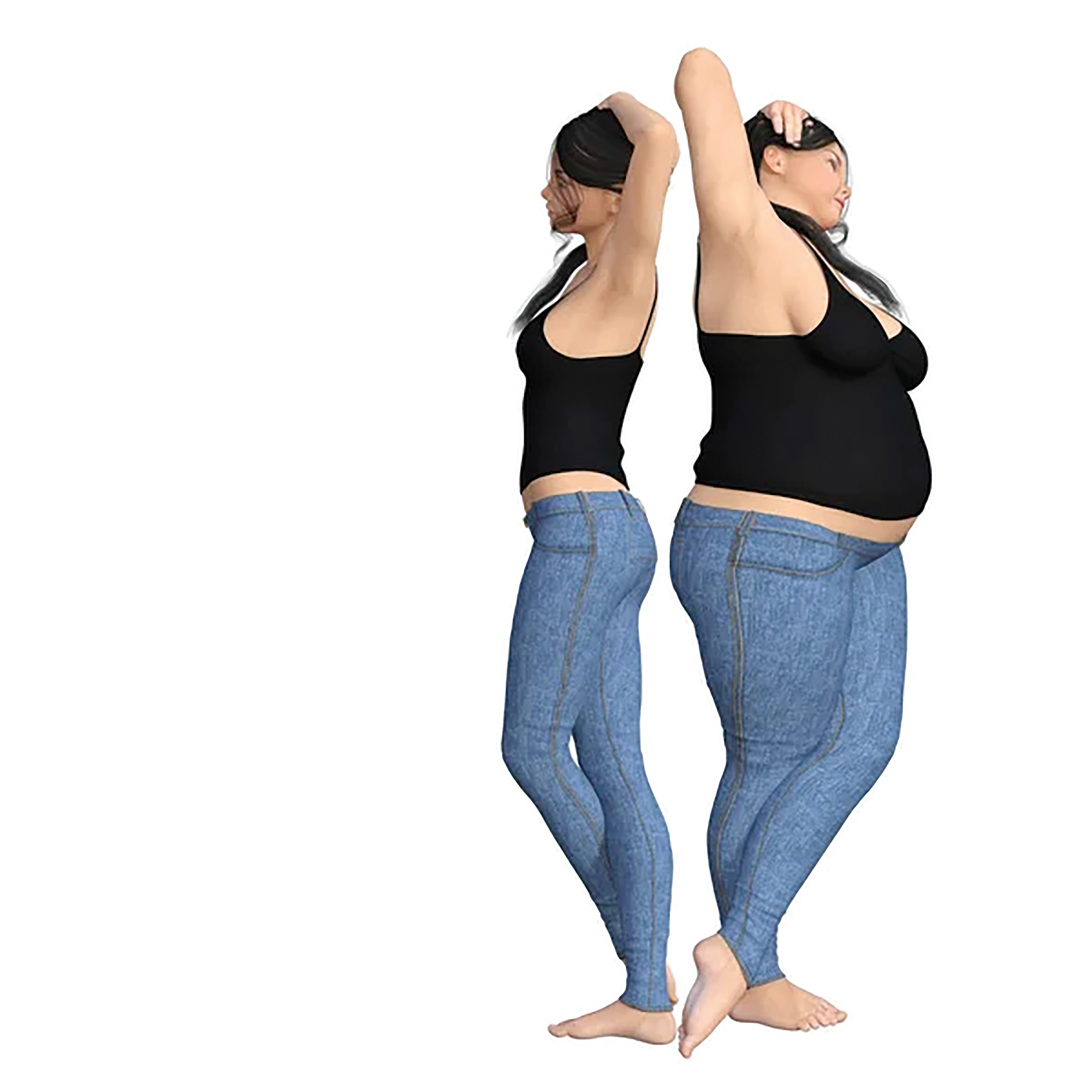
This is according to the new study by the Lancet supported by the data collection and analysis from the World Health Organization (WHO). The study revealed that one in eight people around the world were now living with obesity following reports that a billion people lived with the condition in 2022.
Obesity among adults had more than doubled since 1990 and had quadrupled among children and adolescents (five – 19 years of age).
The core interventions to curb this disease included the introduction of regulations on the harmful marketing of food and beverages to children, schools food and nutrition policies, including initiatives to regulate the sales of products high in fats, sugars and salt in proximity of schools.
“This new study highlights the importance of preventing and managing obesity from early life to adulthood, through diet, physical activity and adequate care as needed,’’ said Dr Tedros Adhanom Ghebreyesus, WHO Director-General.
“Getting back on track to meet the global targets for curbing obesity will take the work of governments and communities, supported by evidence-based policies from WHO and national public health agencies. Importantly, it requires the cooperation of the private sector, which must be accountable for the health impacts of their products.’’
The economic impacts of the obesity epidemic were also important. If nothing was done, the global costs of overweight and obesity worldwide, are predicted to reach about three trillion US dollars per year by 2030 and more than 18 trillion US dollars by 2060.
The new study also showed that even though the rates of malnutrition had dropped, it was still a public health challenge in many places, particularly in South East Asia and sub-Saharan Africa. Countries with the highest combined rates of underweight and obesity in 2022 were island nations in the Pacific and the Caribbean as well as those in the Middle East and North Africa.
Malnutrition, in all its forms, included undernutrition (wasting, stunting, underweight), inadequate vitamins or minerals, overweight and obesity. ‘
’ Undernutrition is responsible for half of the deaths of children under five years and obesity can cause noncommunicable diseases such as cardiovascular diseases, diabetes and some cancers’’, according to the study.
Obesity was a chronic disease whose causes were well understood, as were the interventions needed to contain the crisis which were backed by strong evidence. Overweight and obesity resulted from an imbalance of energy intake and energy expenditure (physical activity). Obesity also influenced the quality of living such as sleeping and moving.
Member States of the WHO adopted the Acceleration plan in 2022 at the World Health Assembly to stop obesity which also supported country-level action through the year 2030.
‘’ To date, 31 governments are now leading the way to curb the obesity epidemic by implementing the plans,’’ according to the WHO.
Dr Francesco Branca, Director of WHO’s Nutrition and Food Safety Department and one of the co-authors of this study, urged countries to ensure that health systems integrated the prevention and management of obesity into the basic package of services.
‘’There are significant challenges in implementing policies aimed at ensuring affordable access to health diets for all and creating environments that promoted physical activity and overall healthy lifestyles for everyone.’’
The study proposed the following interventions to curb obesity:
- Public education and awareness campaigns for healthy diets and exercise.
- Regulation on the harmful marketing of food and beverages to children.
- School food and nutrition policies including initiatives to regulate the sales of products high in fats, sugars and salt near school premises.
- Standards of physical activity at schools.
- Fiscal and pricing policies to promote healthy diets.
- Nutrition labelling policies.
- Integration of obesity prevention and management services into primary health care.
Addressing undernutrition, according to the study, required multi-sectoral action in agriculture, social protection and health, reduction of food insecurity, improved access to clean water and sanitation and ensuring universal access to essential nutrition interventions.
Overweight and obesity
Obesity is a condition of excessive fat deposits in the human body system that can impair health. It can also affect bone health and reproduction and can increase the risk of certain cancers. In 2022,
- One in eight people in the world was living with obesity.
- A total 2,5 billion adults ( 18 years and older) were overweight and 890 of them were living with obesity.
- Over 390 million children and adolescents aged 5-19 years were overweight including 160 million who were living with obesity.
- Thirty-seven million children under the age of five years, were overweight.
- Forty-three percent of adults aged 18 years and older were overweight and 16 percent were living with obesity.
Overweight and obesity, as well as their related noncommunicable diseases, are largely preventable and manageable. The following proposals could help resolve the problem of obesity and overweight