 WeeklySA_Admin
SELF-DETERMINATION: To navigate the origins of the hostilities between the two Middle East nations, the bestseller, The Ethnic Cleansing of Palestine: A Very Short History of the Israel-Palestine Conflict – an illuminating précis of the war – is a useful guide for the unversed…
By Jacob Mawela
In the wake Israel’s “Operation Swords of Iron” retribution, which since October 2 2023 has claimed the lives of more 40 000 Palestinians on the Gaza Strip, Israeli historian and political scientist has penned a brief guide to the origins of the perennial animosity between two warring nations sharing one disputed land in the Middle East.

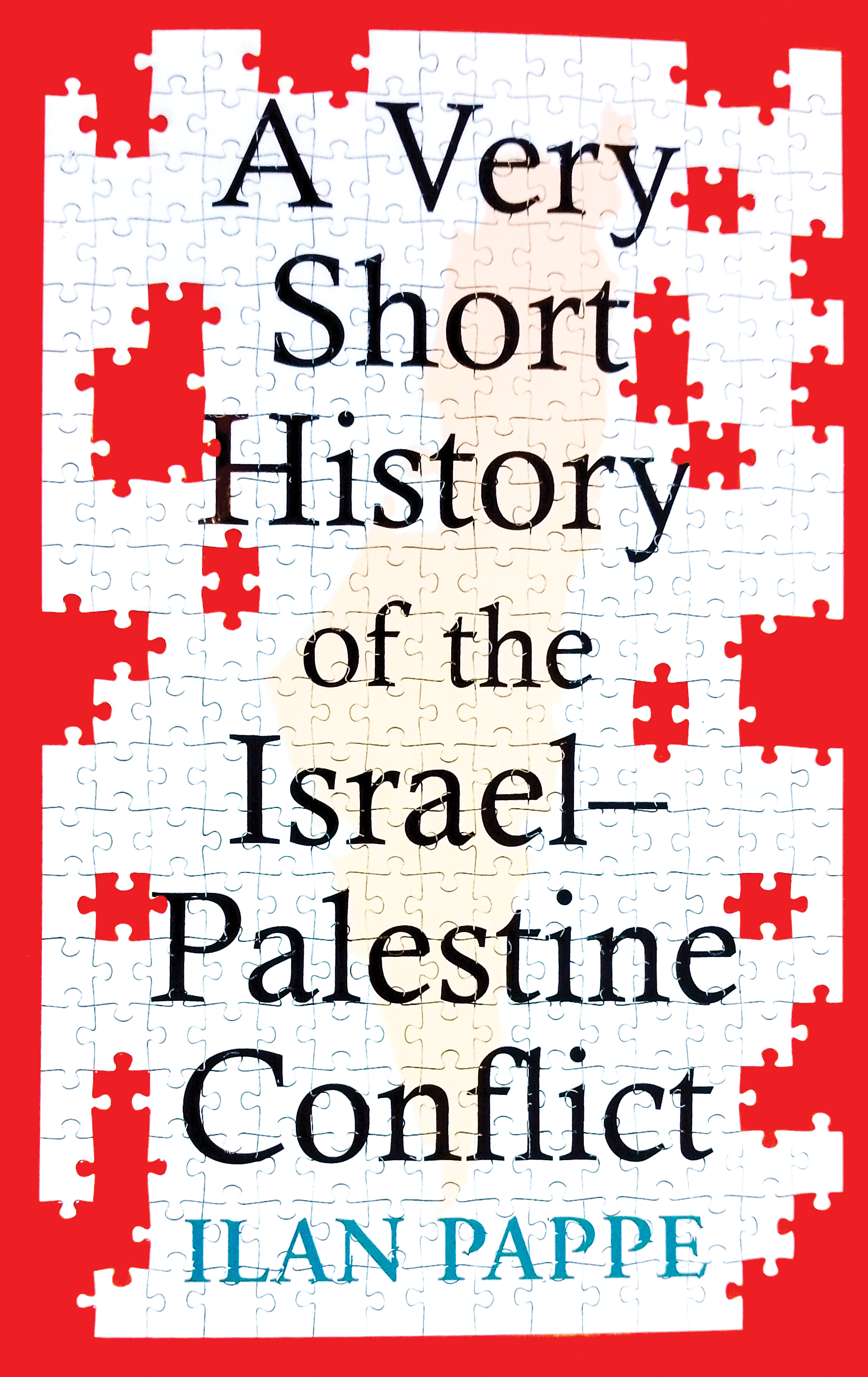
This follows Hamas’ Operation Al-Aqsa Flood in which it stormed into Eretz Israel and caused the death of estimated 1 200 Israelis and captured some 240 hostages on that fateful day. The author of the book, Pappe, is the Professor of History at the Institute of Arab and Islamic Studies and Director of the European Centre for Palestine Studies at the United Kingdom’s University of Exeter.
In the form of a compact 146-page paperback, Pappe concisely sheds light on major events, personalities and processes linked to an intractable issue which harks back to 1882 when the first Zionist settlers arrived in what was then Ottoman Palestine. The settlers, people who support the creation of a Jewish homeland and the existence of the state of Israel, had escaped a vicious wave of pogroms in 1881 across the Russian Empire.
On arrival, Zionists purchased land with money from philanthropists such as the Rothschilds, which Palestinian natives taught them how to till and plough to make it bear fruit.
Upon the end of Ottoman rule in 1918, European Zionists led by Theodor Herzl began to propagandise for a Jewish homeland, with fellow ideologues such as David Ben-Gurion embarking on a brazen project for a Palestine without Palestinians with the connivance of the British, who had taken over governance of the territory as a British Mandate.
The tireless endeavours of a pro-Zionist lobby in Britain spearheaded by Herzl’s successor, Chaim Weizmann, culminated in the existence of the Balfour Declaration on November 2 1917, which promised to make Palestine a ‘national home for the Jewish people’.
By 1919, Palestinians opposed to the Balfour Declaration had grouped together under the banner of the Palestine Arab Congress, debunking an Israeli narrative which insisted then, as now, that Palestine had no history of nationalism prior to Israel’s founding. (In 1972, Israeli Prime Minister Golda Meir claimed that: “There is no such thing as the Palestinian people.”)
An early record of violent conflict between the opposing peoples occurred in Jaffa, near Tel Aviv, in May 1921, in which 47 Jews and 48 Palestinians were killed after Jewish settlers had, in a demonstration of provocation, marched through a Palestinian neighbourhood.
During the mid-1920s, the Zionists – referred by several scholars as settler-colonialists (settler colonialism is a framework wherein the coloniser aims to wholly replace native society with the society of the coloniser) – embarked upon ethnic cleansing by evicting, at times forcibly, Palestinian villagers and farmers from their lands, in an earlier hint of the kibbutzim (collective farming settlements unique to Israel) system.
This resulted in landless Palestinians flocking to the cities, where, jobless, some discovered guerrilla warfare – with their situation ultimately leading to clashes with Jews during August 1929, culminating in 133 Jews and 116 Palestinians losing their lives within a week. Around that time, the pandemonium was aggravated by the Hebron massacre in which 67 Jews were killed.
In 1936, elements of the Palestinians resistance staged an all-out revolt targeting British and Jewish forces which took three years to be quelled – with the British suppressing the uprising through aerial bombardments, blowing up over two hundred buildings in Jaffa’s old city which left over 6 000 Palestinians homeless and resulted in the death of thousands, including military leaders judged to be behind the revolt, and the arrest of many.
In July 1946, Irgun, part of radicalised, militant Zionist groups unhappy with progress on Jews’ attainment of a state, blew up the British Mandate’s central offices in Jerusalem, killing 91 people – with insurgents frequently targeting British soldiers for kidnapping and murder in an effort to prod its government along.
In early 1947, Britain referred Palestine’s future to the United Nations, which appointed the UN Special Committee on Palestine (UNSCOP) to seek a solution to what it termed the ‘Palestine Question’ – which failed owing to Palestine being handled as an exceptional case where principles of ‘equal rights and self-determination of peoples’ in the UN Charter did not apply.
On November 29, 1947, the UN General Assembly voted for Resolution 181 which called for the partitioning of Palestine – a development which the Zionists celebrated as it implied that they’d finally get their Jewish state, but which the Palestinians marked as the beginning of the Nakba (the events of 1948 when Palestinians were displaced by the creation of the state of Israel).
On March 10, 1948, Ben-Gurion and military generals in the Haganah (the Zionist paramilitary organisation) hatched Plan D which aimed to remove as many Palestinians as possible from Palestine. In the months of March, April and early May, Zionist forces destroyed numerous Palestinian urban centres and expelled their populations en masse.
On April 9, the rightwing paramilitary organisations, Irgun and the Stern Gang stormed into the Palestinian village of Deir Yassin and, house by house, killed over 100 residents – in a campaign recognised as the ethnic cleansing of Palestine. By the end of the Mandate, about 250 000 Palestinians were already refugees.
Israel created a small rectangle carved out of 2% of Palestine at a cosmopolitan town on the Via Maris – an ancient trade route which ran from Cairo to Damascus – now known as the Gaza Strip, to accommodate hundreds of thousands Palestinians it had expelled from the southern and central areas of Palestine. It was the biggest refugee camp in the world then – as it remains today.
In May 1948, in an attempt at peace, the UN appointed a Swedish mediator named Count Folke Bernadotte, whose proposal, inter alia, that expelled Palestinians be allowed to return to their homes, resulted in his assassination by the Stern Gang on September 17 1948. The Zionists had rejected his proposal to limit the size of their mooted Jewish state.
• Thereafter followed the establishment of the State of Israel in 1948 and its membership of the UN on May 11, 1949; the formation of the United Nations Relief and Works Agency meant to provide for Palestinian refugees, in 1950; the establishment of the Palestinian Liberation Organisation in 1964; the Zionists forced persuasion of Arab Jews to populate the new Jewish state;
• Israel’s occupation of the Gaza Strip and the West Bank (considered the two largest prisons on Earth incarcerating nearly 5 million Palestinians) after the Six-Day War of June 1967; the advent of illegal Jewish settlements in the Gaza Strip from 1968, in contravention of the Geneva Convention;
• The UN’s Resolution 242 calling for Israel’s withdrawal from all occupied territories; the murder of 11 of Israel’s delegation to the 1972 Munich Olympics by the Palestine-affiliated Black September group and Israel’s Operation Wrath of God retaliation; the massacre of thousands of Palestinians in the refugee camps of Sabra and Shatila in Lebanon by Israeli-affiliated Phalangists in September 1982;
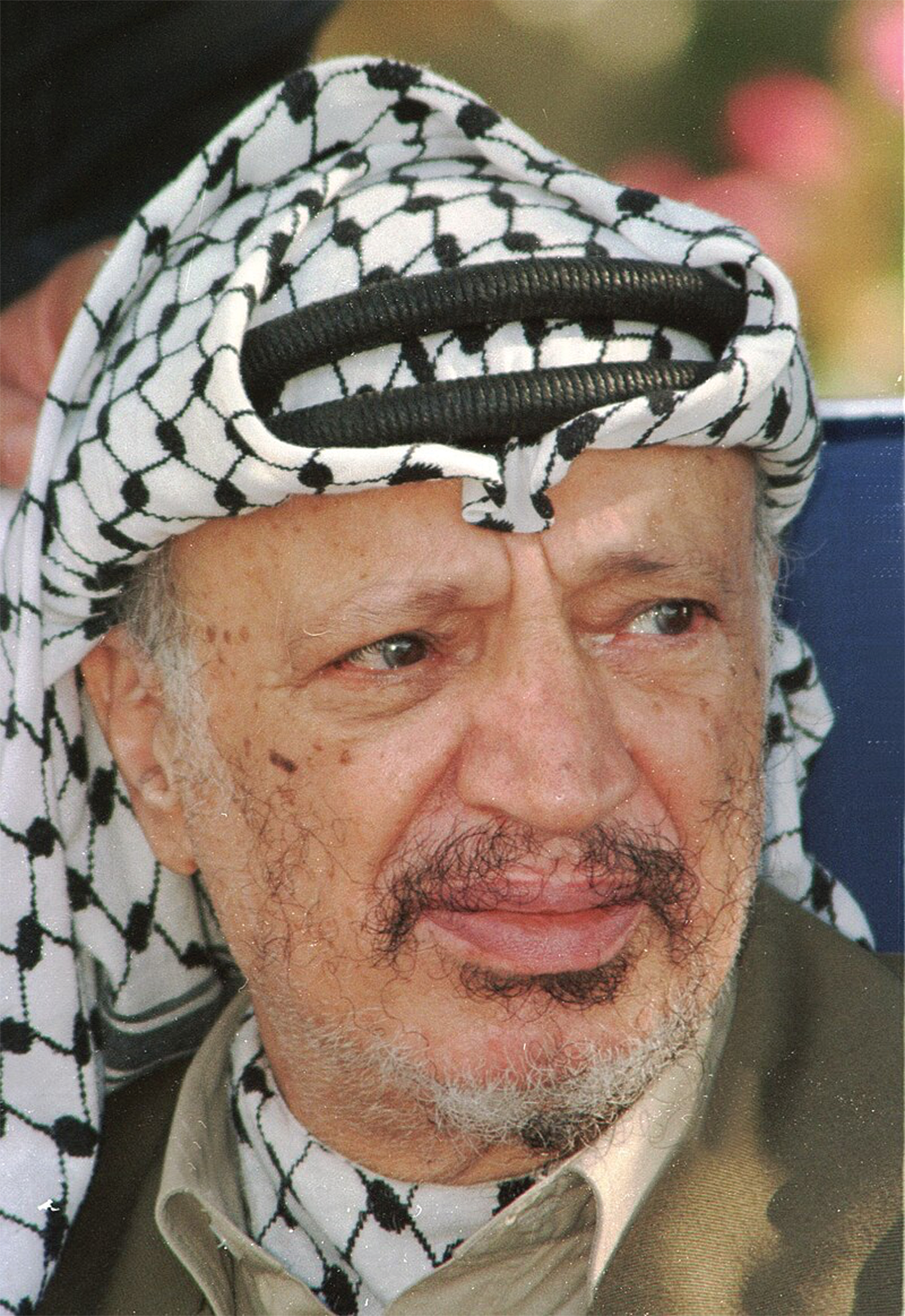
• The outbreak of the Intifada (Arabic for, uprising) in December 1987; the failed Madrid Peace Conference of 1991; the Oslo I Accord of September 13, 1993, which made provision for the Palestinian Authority (under the presidency of PLO leader, Yasser Arafat) to manage domestic affairs for the Palestinians – and its rejection by Hamas;
• The Oslo II Accord of 1995 and its aftermath which included Israel Prime Minister Yitzhak Rabin’s assassination by a rightwing Jew; the Second Intifada of 2 000 and Israel’s Operation Defensive Shield’s reoccupation of the West Bank and parts of the Gaza Strip and the resultant violence;
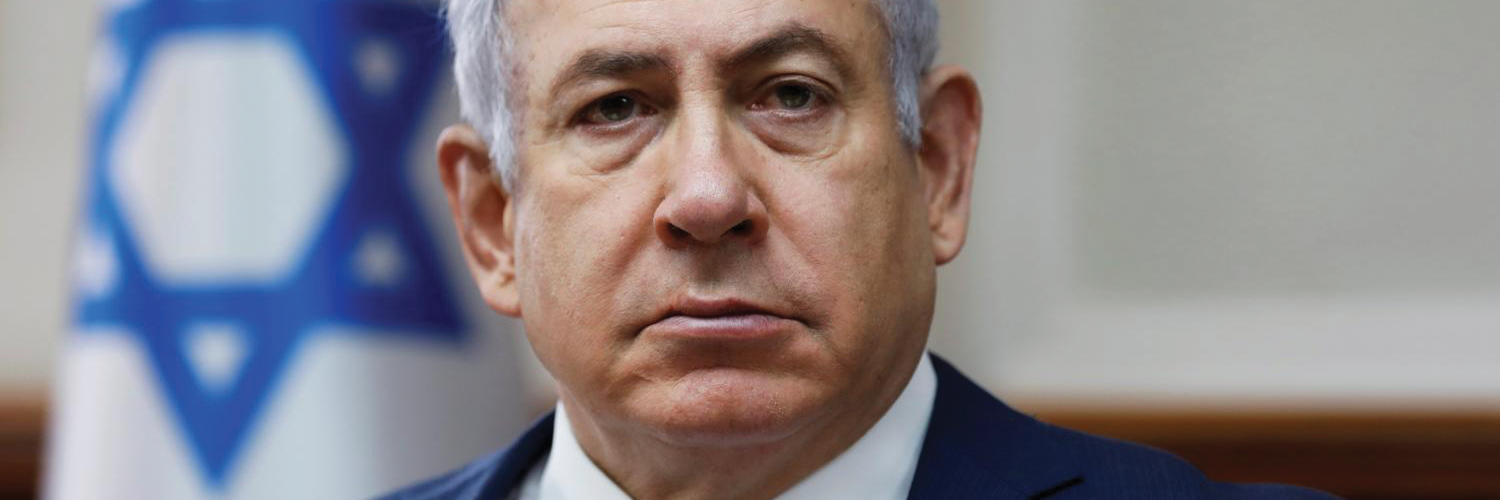
• The Jewish National State Basic Law of 2018 which claimed Jerusalem as Israel’s capital; the creation of the apartheid state of Israel through the passing of legislation such as the Nationality and Entry into Israel law of 2003, the Nakba law of 2011, etc; Benjamin Netanyahu’s era from 2009 to the present; Hamas’s Operation Al-Aqsa Flood on October 7, 2023 and its consequences!
• A Very Short History of the Israel-Palestine Conflict is published by One World and distributed in South Africa by Jonathan Ball Publishers. Available at leading bookstores countrywide, it retails for R275