 WeeklySA_Admin
EXCHANGE: Twelve artists from South Africa and Denmark converge on Johannesburg for the 2026 AmaGroove Residency — a week-long song-writing laboratory redefining collaboration, culture and the future of global music…
By WSAM Reporter
Johannesburg will once again become a laboratory of sound when the 2026 AmaGroove Residency unfolds at the Kromdraai Impact & Co-Creativity Hub from March 22 to 29.
Organised by One Groove, the week-long songwriting residency has grown into one of the most distinctive cross-continental music exchanges linking South Africa and Denmark.
Now in its third year, AmaGroove has built a reputation as a creative crucible — bringing together producers, vocalists and songwriters to build music that resists genre boundaries and embraces cultural dialogue.
The 2026 edition is supported by AUTOR, The Riky Rick Foundation, the Embassy of Denmark in South Africa, Kromdraai Impact Hub and the cultural platform ALTBLK, founded by Msaki. Together, the partners aim to foster artistic mobility, creative freedom and meaningful collaboration.
A Line-Up Built
This year’s residency features 12 artists representing diverse styles — from Tsonga country and Afro-Tech to Nordic soul and electronic maximalism.
Among the South African contingent is Dhahabu, a pioneer of Tsonga Country storytelling; Q2K, whose club-rooted sound blends ballroom nostalgia with gqom and alternative rap; and Yolophonik, a genre-fluid producer navigating alternative R&B, hip-hop and house. Cape Town singer-songwriter Gemma Fassie and Afro-Tech producer DrexxBeats add further depth to a locally rooted but globally minded cohort.
From Denmark, the residency welcomes Jaya May’s percussion-driven R&B, Jonas Rendbo’s Scandinavian soul stylings and GIMI’s MTV-era pop maximalism. Fanny Wree brings cinematic alternative production, while SSMA and rapper FVN introduce Afro-infused grooves and unapologetic lyricism.
Over seven days, participants will take part in intensive writing sessions, cultural dialogues, masterclasses and wellness programming designed to encourage both artistic output and personal growth. The structure reflects AmaGroove’s philosophy: creativity thrives where trust, exchange and intention meet.
Industry Showcase
The residency will conclude with an exclusive listening session at Flame Studios in Braamfontein on 27 March. Co-hosted by the Embassy of Denmark in South Africa, the showcase will offer industry stakeholders, media and selected members of the public an opportunity to hear music born from the week’s collaborations.
Importantly, AmaGroove is not just about recording songs. It is about building sustainable creative networks. In an era where global music trends are increasingly shaped by cross-cultural exchange, residencies like this position South Africa not as a participant on the sidelines — but as a co-author of the future soundscape.
Under the artistic direction of Msaki, alongside curators Muneyi and Mishy Kope, the 2026 AmaGroove Residency aims to deepen that dialogue.
If the previous editions are any measure, the week in Kromdraai will not simply produce tracks. It will spark movements.
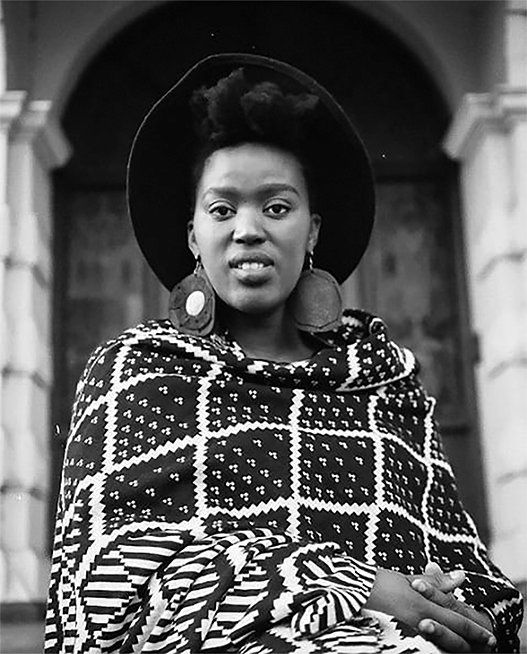

Msaki:
Guiding AmaGroove
If AmaGroove is a laboratory of sound, Msaki is one of its architects of intention.
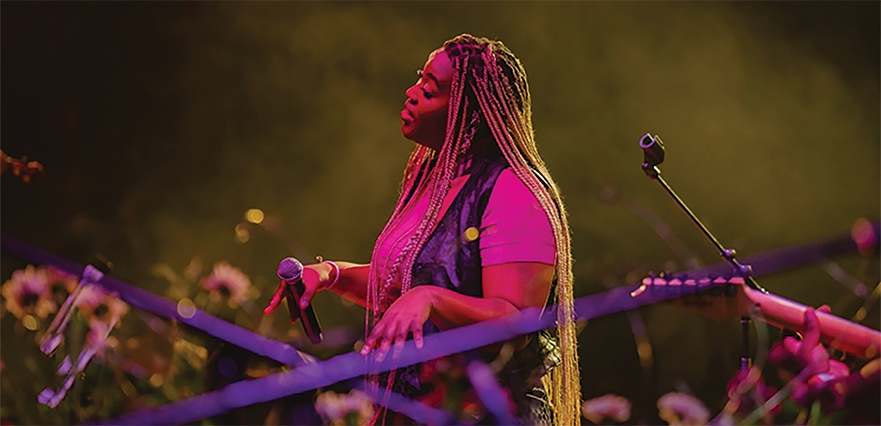
The award-winning South African singer, songwriter and cultural thinker steps into the 2026 residency not simply as a participant — but as a guiding force shaping the creative direction alongside Muneyi and Mishy Kope.
Over the past decade, Msaki has built a reputation for emotional depth, lyrical precision and fearless collaboration. Her work spans folk intimacy, electronic exploration and soul-rooted storytelling. That genre fluidity makes her a natural fit for a residency designed to break sonic boundaries.
But her influence extends beyond music.
Through her organisation ALTBLK, Msaki has consistently advocated for alternative Black artistry, creative sovereignty and safe spaces for experimentation. AmaGroove aligns with that philosophy: slow down, connect deeply, create without fear.
Her Role
Residencies succeed or fail based on atmosphere. Artists need trust to take risks.
Msaki’s presence signals that this is not a commercial songwriting factory. It is a space for honest exchange.
Her approach to collaboration — rooted in vulnerability and cultural pride — creates a framework where Danish R&B, South African Afro-Tech and genre-fluid pop can meet without hierarchy.
In a global industry still wrestling with ownership, representation and creative equity, having a curator who understands both artistic freedom and cultural responsibility is not symbolic. It is strategic.
Performer to Builder
What makes this moment significant is Msaki’s evolution. She is no longer just an artist on stage. She is actively shaping ecosystems.
By helping guide AmaGroove, she is contributing to the infrastructure of creativity — building bridges that outlast a single track or residency week.
If AmaGroove 2026 succeeds in sparking lasting international collaborations, Msaki’s fingerprints will be on more than melodies. They will be on momentum.