 WeeklySA_Admin
INVESTMENT OPERATION INVOLVING 81 SCAM WEBSITES WITH SA LINK AND CALL CENTRES IN ISRAEL AND SPAIN UNCOVERED BY INTERNATIONAL INVESTIGATIVE ENTITY…
By Margaux Farran and Ilya Lozovsk
For nearly four years, dozens of investment platforms were advertised to a global audience.
They promised easy profits from trading currencies, gold, oil and gas, cryptocurrency, and other popular assets. Aimed largely at novice investors, they advertised regular consultations with personal analysts, expert reviews of the market, and attractive “welcome bonuses.”
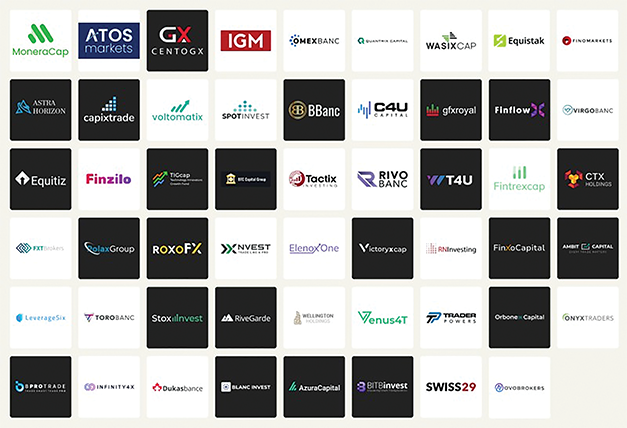
In fact, all these platforms served a single scam operation with dozens of agents working out of call centres in Israel, Cyprus, Bulgaria, and Spain, an investigation by the Organised Crime and Corruption Reporting Project (OCCRP) has revealed.
They tricked thousands of people across the world into making “investments” that, in the vast majority of cases, they would never see again.
Reporters uncovered these brands — 81 in all — through an unprecedented leak of audio files, videos, and documents from the scammers’ computers.
As part of OCCRP’s “Scam Empire” investigation, the locations where the scammers worked have been uncovered, as well as the techniques they used on the phone with their victims, and how they whisked their money away — and the ruin they wreaked on their lives.
Now, we’re taking a look at the ‘platforms’ themselves. The scammers used these websites to make it all look real.
On the surface, they appeared to be entirely separate, but underneath they were all part of the same system.
They were tracked on the same internal spreadsheets and their proceeds were funnelled through the same shell companies and mixed together.
The scammers went to great lengths to make their trading websites look legitimate using a number of deceptive practices.
Of the 81, 68 listed a physical address. None were in the countries where their employees appeared to actually operate. Some of these claimed to be based in countries like Canada, Germany, and the United Kingdom – but most, 49 out of 81, said they were in Switzerland, likely an attempt to evoke wealth, stability, and financial acumen.
Thirty-two platforms named addresses in Zurich. Seven were clustered on the prestigious Bahnhofstrasse, one of the world’s most famous and expensive shopping streets. Several major Swiss banks are headquartered nearby.
Three of the brands even used the same address, Bahnhofstrasse 100. Another 17 platforms said they were headquartered in or around Geneva, a city that has long been associated with wealth and private finance. In one call with a client, an agent for the “Elenoxone” brand — claiming to be based in Geneva — called the city “the capital of chocolate and money.”
But a leaked salary sheet from inside the scam operation revealed that he was really in Bulgaria. Reporters found no evidence that the glitzy addresses represented anything but a ruse.
And the platforms used other deceptive practices. Some touted fake endorsements and awards, like this fake sponsorship with BMW.
Over the last four years, a majority of the 81 platforms had been flagged by regulators from various countries, including Switzerland, Canada, and the United Kingdom, as being unauthorized to offer financial services.
Some of these were identified as “clones,” fake companies that imitated real ones. Call centres often “retired” brands that had been subject to these warnings, and pivoted to fresh ones.
Take these 10 brands as an example: In the months after a warning was issued about them, deposits from “clients” would typically dwindle to nearly nothing. Then another brand would emerge and pick up where the previous one had left off.
The vast majority of the brands did not indicate that they had any license to operate trading platforms.
A few did — but at least four of these licenses were fake, supposedly issued by the “Mwali International Services Authority” or the “Anjouan Offshore Financial Authority.”
According to the Comoros Central Bank, these “authorities” are not official bodies and do not have any legitimacy to grant official licenses.
One brand had a license from the Seychelles, an offshore regulator that offers fewer protections for investors than many others.
Another five platforms did hold legitimate licenses from South Africa, at least at one point — though four of these have since had their licences revoked. Since reporters started investigating this network of brands, three of these have stopped claiming online to hold South African licenses, and now indicate that they are licensed by the two fake Comoros authorities.
The data shows that the “clients” of these brands were able to withdraw a higher proportion of their money — about 10 percent, compared to 2 percent for the rest.
However, in many ways they were similar to the others. For example, they also relied on attracting clients through deceptive marketing practices placed by third parties.
Reporters sent questions to several people identified in corporate records as being the owners or legal representatives of these platforms, but in nearly all cases, they denied responsibility for the brands and named other people in the network as the true responsible parties.
For example, the listed owners of Vector Financial Services, which operated two of these platforms — Finbok and Fintrexcap — are a Romanian and a Bulgarian who denied any involvement in the company.
None of the other companies identified in this story responded to requests for comment.
Reporters also obtained leaked files from a separate scam call centre operation based in the country of Georgia. This one used at least six brands that, in every way, resembled the rest.
As of publication, 15 of the investment platforms uncovered by reporters are still online. – OCCRP