 WeeklySA_Admin
SYSTEMIC: Sportswashing – a political tool to camouflage dictatorships, authoritarianism
By Jacob Mawela
Could there be similarities between sportswashing and money laundering?
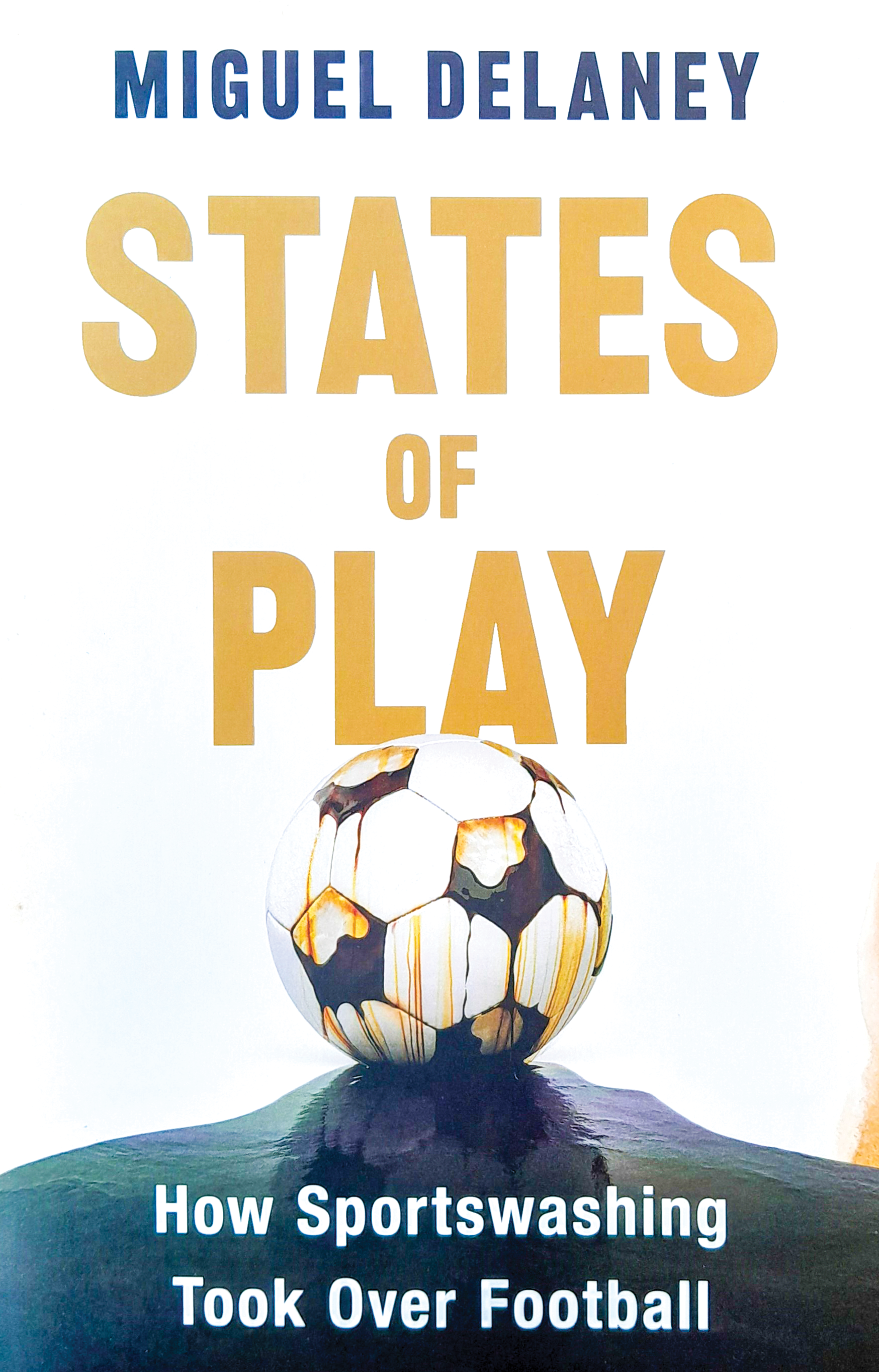
Author Miguel Delaney, in his book, States of Play: How Sportswashing took over Football, explores this possibility.
To be clear, money laundering, by definition, involves disguising financial assets with the aim of using them, and resorting to slyly free them of any illegalities they might carry.
Through money laundering, criminals transform monetary proceeds derived from criminal activity into funds with an apparently legal source.
By the same token, ‘sportswashing’ is thought of as a means of reputational management where football authorities, through media manipulation, leverage the popularity and positive perception of sports while at the same time “washing away” negative publicity or actions related to the sports.
The term ‘sportswashing’ was first coined in 2015, but only given popularity in 2018 when the German publication, Der Spiegel, reported leaked e-mails pertaining to the Abu Dhabi-owned English football club, Manchester City’s breach of Financial Fair Play regulations.
The regulations, in keeping with the Union of European Football Associations (Uefa), stipulate fair and clean football administration, devoid of any shenanigans.
In a shocking report, Amnesty International has disclosed that there was evidence that “the United Arab Emirates’ (UAE) enormous investment in Manchester City is one of football’s brazen attempts to ‘sportswash’ the country’s deeply tarnished image through the glamour of the game.”
In other words, the glamour Manchester City induces, and its football prowess, is used opportunistically, to clean up the image of the country – the United Arab Emirates – described by the International Amnesty as an abuse perpetrator of human rights.
According to reports, and as applied by the Gulf states, sportswashing is a political tool used to camouflage political atrocities and human rights abuses.
Additionally, the practice is used to normalise autocratic states for the purpose “of perpetuating authoritarian structures and dictatorships”.
The autocracies do not take kindly to criticism, a pattern of behaviour Amnesty International describes as “systemic human rights abuse”.
Women rights are routinely violated and homosexuality is illegal and intolerable – an “offence” punishable by torture and mistreatment and shaming.
These “cycle of abuse” as described by the Amnesty International includes racial discrimination – a common complaint across the Gulf autocracies which were flagged ahead of the 2022 Fifa World Cup.
The author argues that in these states, sovereign wealth funds from vast income accrued from fossil fuels (oil) are sought to utilise the global capitalist system to maximise such funds for their future security – identifying football as an asset through which they could attain their grandiose objective.
State takeovers represent a crucial evolution in football history. According to figures who have worked in the Gulf, the initial suggestions to invest in European football clubs emanated from European consultants, with Dubai International Capital’s attempt to purchase Liverpool FC in 2006-07.
Some of the leading teams which enjoyed huge sponsorship include AC Milan, Real Madrid, and Arsenal and its stadium.
It is remarkable, notes the author Delaney, that “the UK government pushed for Saudi Arabia’s Public Investment Fund takeover of Newcastle United in October 2021 – yet in the first few years of the millennium, there had been a reluctance from the West to embrace Gulf investment”.
Manchester City’s takeover by a state-related entity came on the back of its previous ownership by Thaksin Shinawatra.
Former prime minister of Thailand, who at the time of purchasing the club in 2007 was a fugitive from justice, is cited by the Human Rights Watch for atrocities committed under his leadership.
The England’s Football Association has remained mum on such questionable transactions.
The Premier League hierarchy, when pressed for answers, simply shrugs its shoulders and pass the buck, suggesting that enquiries of such magnitude belong outside its purview, and for answers, the UK government and the European Union must be held accountable.
With football’s authorities consciously continuing to kow-towing to the lure of money, it has been business as usual. This merely months after the Newcastle United’s takeover, Saudi Arabia executed 81 people in a single day – a human rights action that shocked the civilised world.
In fact, the Kingdom’s Saudi Pro League attracts football’s megastar players. These include, among others, Cristiano Ronaldo and many renowned world’s football stars, on exorbitant wages that boggle the mind.
Did Fifa lift a finger? No. Fifa has instead rewarded the country by granting it the 2034 hosting right to its quadrennial showpiece, the World Cup.
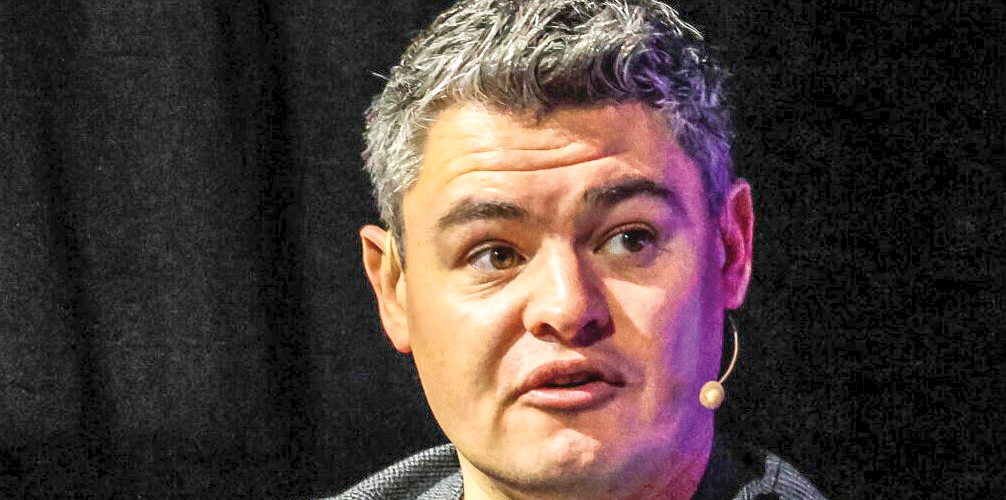
Delaney is the chief football writer at the Independent and has covered 14 consecutive Champions League finals, four World Cups, and five European Championships, among others.
• A trade paperback, States of Play is published by Orion and distributed in South Africa by Jonathan Ball publishers, and is available at all leading bookstores, retailing for R440