 WeeklySA_Admin
HUMANITARIAN CRISIS: Thousands injured and more missing in the disasters that struck the two North African nations of Morocco and Libya within days of each other…
By Annie Slemrod
The extent of the death and destruction from two weekend disasters in North African countries of Libya and Morocco remains to be seen, especially as reports from the ground are still limited, but here’s what we know so far.
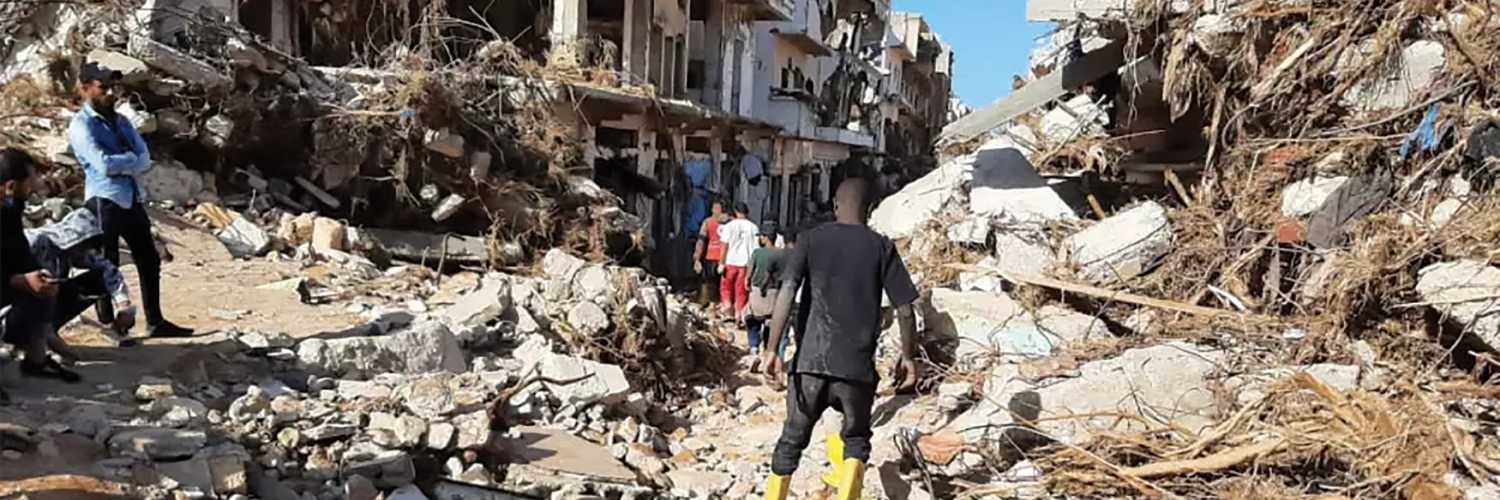
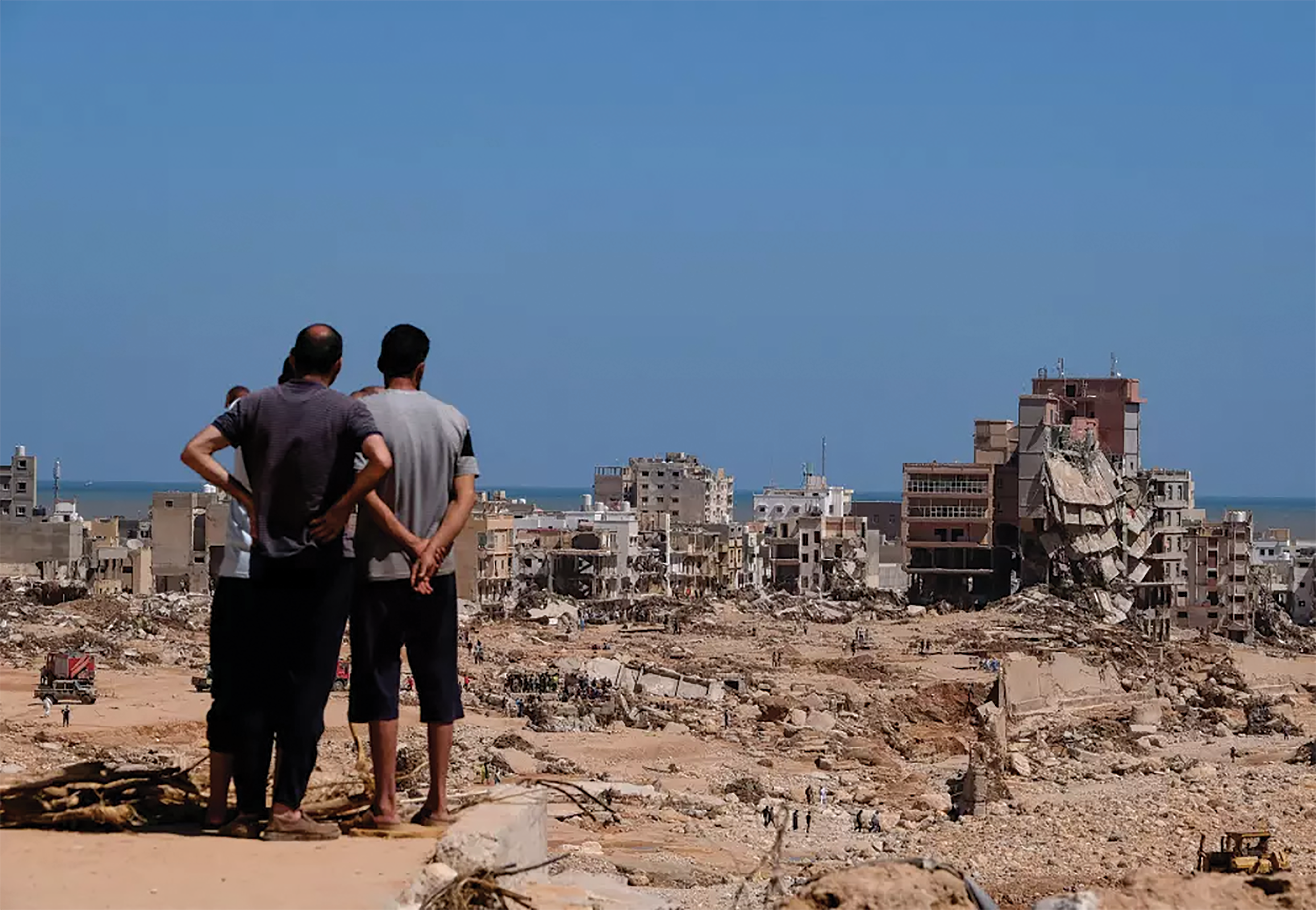
In Libya, where heavy flooding from Storm Daniel caused two dams in the eastern city of Derna to burst, the official death toll has already passed 5 000. But with an estimated 10 000 people missing, and bodies washing up on the shore of the port city that had a population of around 90 000, the final death toll may be much higher.
As search and rescue efforts wind down after an earthquake in Morocco’s Atlas Mountains, estimates of the numbers killed by flooding in eastern Libya continue to rise sharply.
Nearly 3 000 people have been killed by the 6.8 magnitude earthquake that hit Morocco on 8 September. The death toll is likely to rise as more bodies are found, even as the likelihood of finding survivors dwindles.
One reason the death toll is so high is because the epicentre was in a poor part of the country where – given that large seismic events are rare – homes are built to withstand extreme temperatures rather than earthquakes. This is the deadliest earthquake in Morocco in more than 60 years.
Five days into the disaster, help is just beginning to reach some people who have spent several nights sleeping outside as entire villages were destroyed. This has led to criticism of the relief effort, with some questioning why the government of Morocco has accepted only limited international help.
The New Humanitarian’s policy editor, Irwin Loy, spoke with Sara Almer, Humanitarian Director at ActionAid International, about responding to crises like the one in Morocco and the push to give greater support to locally led responses.
“When something happens, the people on the ground and organisations locally are the first ones to respond,” Almer told The New Humanitarian. But, she added, “they are not resourced, and they are not always given the rightful leadership that they should have [in aid responses]”.
Aid groups say many of the hardest-hit areas are remote villages that were difficult to access because roads had been blocked by rocks and rubble.
In a statement from Islamic Relief, aid worker Hana Elabdallaoui described people “sitting outside in the dark” because even where homes are still standing, they are afraid to go inside them. “People urgently need food, tents, and hygiene materials,” she said.
“People are also really oing to need psychological support,” Elabdallaoui added. “Many people have seen relatives die in front of their eyes, or heard their loved ones screaming and shouting under the rubble. They came up to us and burst into tears – they needed to tell their pain and someone to hear them. This situation has been so painful for them.”
A seasonal river runs through Derna, and survivors have said that entire families and neighbourhoods were washed away when the dams burst.
“The devastation is so deep some areas have been vanished, completely disappeared,” Hishem Abu Chkiouat, the minister for civil aviation for the country’s eastern-based authorities, reportedly said. Relief workers and survivors alike are trying to look for people trapped in the rubble.
As of December 12, the UN’s migration agency, IOM, estimated that more than 34 000 people had been displaced by the storm, which affected people across northwest Libya, including the cities of al-Bayda and Benghazi.
Local NGOs, as well as international aid groups and NGOs, already have a presence in Libya and have begun delivering any supplies that were already in the area.
Communication lines are down, hospitals are overwhelmed, and aid access has been hampered by the fact that roads were washed away in the flooding.
Offers of international aid are pouring in, but Prime Minister Abdulhamid al-Dbeibah, head of the Tripoli-based government, said on Tuesday that he would “only accept aid that is necessary”.
However, Dbeibah’s government doesn’t actually control the part of the country that was hit. Aid delivery in Libya is often complicated by competition between the two different administrations vying for power – one in Tripoli and the other in the eastern city of Tobruk.
The rivals have shown some co-operation in the wake of the disaster, but the country is still split and this may pose a challenge to a large-scale aid effort for an unfolding catastrophe.
Meanwhile people are looking for help wherever they can find it as they struggle to even comprehend the scale of the catastrophic floods that have torn through eastern Libya, says a doctor dealing with the crisis today.
Entire neighbourhoods in the northeastern city of Derna were destroyed or washed away when two dams broke after a storm hit on September 10. Tens of thousands of people have left the area to seek help and shelter elsewhere.
Dr Najib ElTarhuni, speaking from Benghazi Medical Centre, where he said people are showing up in need of all kinds of aid, said he and his colleagues were helping to coordinate requests for food, clothing, and shelter.
But so much more is needed, he said. “We just need rescue teams and people who actually know how to extract corpses,” ElTarhuni said. “This operation will take us days, and even weeks probably.”
“We definitely need everything,” he said. “We are understaffed. We’re underfunded. We lack the materials. We lack the medications. We lack the equipment. Anything would help.”
“There are corpses that are still stuck,” ElTarhuni said. “People are waiting for their close ones – their loved ones are still under buildings. They know they’re dead, but they just want to bury the bodies.”
“Everyone is still in shock. We still haven’t had time to process our emotions,” he added. “Everyone is just walking around, ghosts on the streets.” – The New Humanitarian