 WeeklySA_Admin
EVs: Mixed emotions on new way of travel
to be the last frontiers of our lives. But unlike data, the climate change conundrum is inescapably pervasive and general consensus is that we need an approach with GPS like accuracy to navigate the pressing climatic potholes that lie ahead.
A look into the rearview mirror to check where did we detour to reach the edge of the precipice is not going to be much helpful either, as damage is already done. The indictment against the motor industry regards carbon emissions is thick, and prima facie an unwinnable case even in the court of public opinion. Estimates say the transport sector contributes about20 percent of global carbon emissions, with Green activists further hazarding that there’s been a slow to virtually standstill progress in the quest to decarbonizing mobility globally, with emissions actually increasing in many countries.
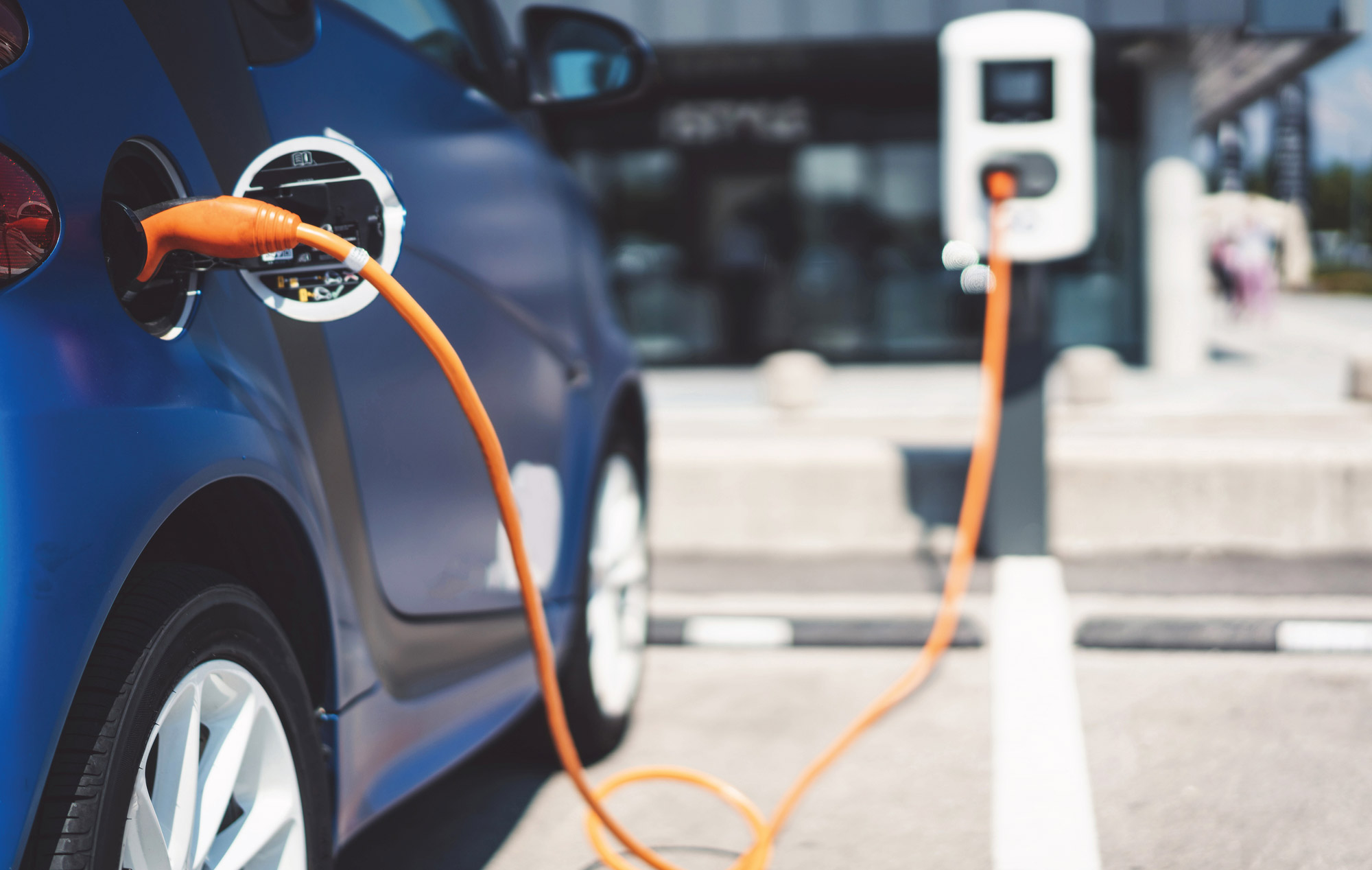
Whereas the conversion from combustion engines to electric vehicles was supposed to be a smooth gear changing experience, grinding noises can already be heard from the top echelons in the motor industry, who caution that converting entirely to EVs (electric vehicles)could cost hundreds of billions of dollars and make cars unaffordable for average people. A quick glance at the prices for fully electric models will confirm that buyers will have to dig at least R10 000 more to buy than a gas powered equivalent.
Toyota President Akio Toyoda hazards a serious reflection on the haste in banning gasoline-powered cars, warning that this could bring the current business model of the car industry to a halt causing the loss of millions of jobs. Toyoda further charges that Japan for instance would “run out of electricity” in the summer if all cars were running on electric power. Considering South Africa’s electricity challenges, all indications are that the option of an EV is going to be a hard sell.
With our electricity tariffs recently up by17 percent, there is general apprehension that once EV charging is included this could see household bills rising exponentially. But while we’re busy with our electricity blues, globally the sale of EVs seem to be gaining unprecedented ground. In 2020 total plug-in car registrations in the European Union, three EFTA countries and the UK passed the one million mark for the first time ever, totalling 1, 364,813 units up 143,85 from 2020The new Renault Zoe seems to be a favourite among EV buyers in the region, registering the highest sold units in 2020 with 100, 815units registered followed closely by the TeslaModel 3 (85,713 units) and the new VolkswagenID 3 with 56 118 units close on its heels.
The top selling plug-in hybrid in 2020 was the Mercedes-Benz A250e followed by the Mitsubishi Outlander. As of November 2020, the plug-in light commercial vehicle segment has been led by the Renault Kangoo ZE, with 57 858 all-electric vans sold in Europe since 2010. If numbers are anything to go by, it is clear the path to a greener way of travel has started in earnest, albeit at a snail’s pace. And as for us in the Mother Continent, or as Kenyan professor Patrick Lumumba often asks if Africans are children of a lesserGod, we look set to be the last to join the Green bandwagon.Our consolation, perhaps, lies in the Afrikaans proverb “agter os kom ook in die kraal.”