 WeeklySA_Admin
GEOPOLITICAL: Rising geopolitical tensions are driving fuel, transport and food prices higher, with financial experts warning households to prepare for sustained pressure on their budgets…
By Own Correspondent
Global conflicts are increasingly hitting South Africans where it hurts most — their wallets — as rising geopolitical tensions drive up the cost of fuel, transport and basic goods.
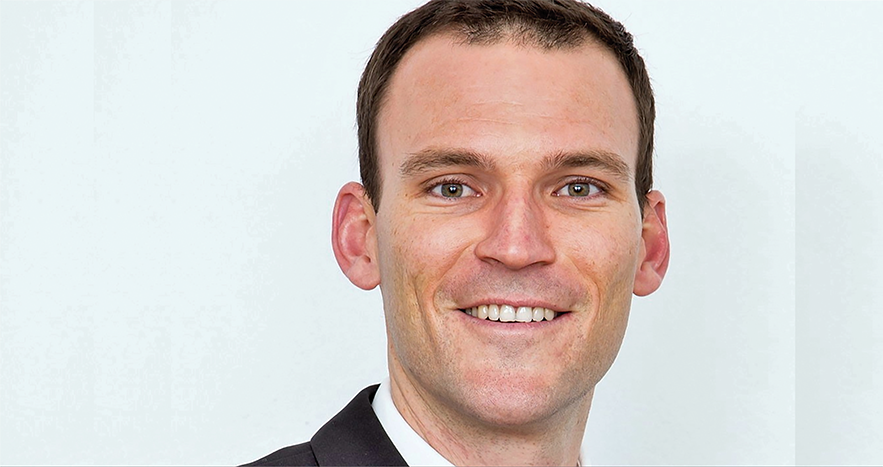
Financial adviser Ross McMillan says international instability, particularly in key energy regions, is feeding directly into household expenses through a chain reaction that affects nearly every aspect of daily life.
“Geopolitics may seem distant, but its effects are deeply personal for the average South African household,” McMillan said.
South Africa’s reliance on imported oil makes it especially vulnerable to disruptions in global supply routes. When tensions flare in critical regions such as the Middle East, oil prices rise sharply — pushing up fuel costs locally.
That increase quickly spreads through the economy.
Geopolitics may seem distant, but its effects
are deeply personal
for the average South African household…
Higher fuel prices raise transport costs, which are then passed on by businesses to retailers and ultimately to consumers. The result is a steady rise in the price of everyday essentials, including food.
“Because food production also relies heavily on energy, geopolitical events thousands of miles away can directly increase your grocery bill,” McMillan explained.
The knock-on effects are already being felt by households struggling to keep up with rising living costs, as inflation continues to erode purchasing power.
McMillan warned that many consumers respond reactively by cutting discretionary spending or dipping into savings — measures he says offer only short-term relief.
“A reactive approach is like applying an emergency brake. It may help temporarily, but it’s not a sustainable long-term strategy,” he said.
Instead, he urged South Africans to adopt a more proactive approach to financial planning, focusing on building resilience against global shocks.
This includes diversifying investment portfolios to reduce exposure to market volatility and ensuring financial strategies are structured to outpace inflation.
“Inflation is the silent tax of geopolitics,” McMillan said. “If your investments are not keeping up, your purchasing power is quietly declining.”
He also advised consumers to engage more actively with financial advisers, particularly in stress-testing their finances against potential increases in fuel and food prices.
With global tensions showing little sign of easing, analysts warn that cost pressures are likely to persist, making long-term financial planning increasingly critical for South African households. – Fullview