 WeeklySA_Admin
TRAUMA: Amid the ongoing grave suffering in Israel and Gaza, people elsewhere might struggle to cope with horrific images from the current war and experience a sense of fear, shock and helplessness…
By WSAM Reporter
As accounts of mass death, injury and mayhem from Israel and Gaza following Hamas attack, the world can only watch in despair and pray for peace.
Whether people have loved ones in the Middle East or not, the world is dealing with coping with horrific images of innocent people murdered, including young children and even babies.
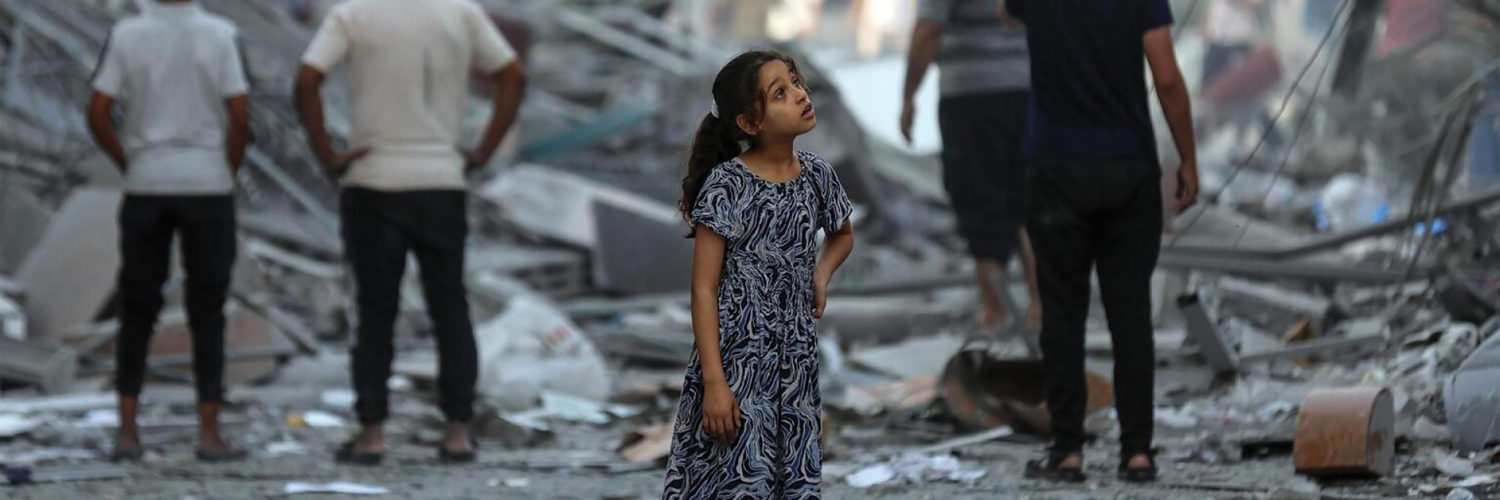
More gory scenes can be expected as Israel readies a ground assault on Gaza, after weeks of aerial attacks following the October 7 attack by Hamas that killed 1 400 people in Israel. More than 4 200 Palestinians have been killed in Israel’s counteroffensive, amid a growing humanitarian crisis in Gaza.
The Israeli Prime Minister’s office released disturbing images of babies brutally murdered and badly burned. In Gaza there are reports hospitals could soon lose power and there is no place for innocent Palestinians to escape as the war escalates, meaning there is likely to be more disturbing news in the coming days.
The images and stories are heart-wrenching and can be extremely difficult to cope with, whether or not people have ties to the region where the horror is unfolding. Coupled with being thousands of miles away, many people may experience feelings of helplessness and fear about the state of the world, as well as trauma over the images and details about the brutal acts that took place. Other violence including domestic shootings and the war in Ukraine can all have a compounding effect. Such events, mental health experts say, can trigger anxiety and depression, both in children and adults.
While it is important to know what is going on in the world, often people find it difficult to look away. Dr Gary Small, chair of psychiatry at Hackensack University Medical Centre, said it’s important that people ration their exposure to disturbing images and news, given the impact they can have on mental health. “We live every day in a denial of the horrors out there in the world,” said Small, adding that catastrophic events forcibly put the very worst of human behaviour before our eyes.
Small recommends balancing staying up to date with news with activities that are calming, such as watching a light television show, spending time with loved ones or reading a book that is engaging in a positive way. “It’s important to be informed,” Small said, “but don’t stress yourself out.”
Social media over saturation is also something to be cautious with. There are many graphic images and stories being shared on social media. Such brutal events as the attacks in the Middle East can also lead to “social contagion,” where information and images are amplified and a collective stress emerges,” Small explains. Taking breaks from social media can be important, especially if you find yourself watching horrific images repeatedly.
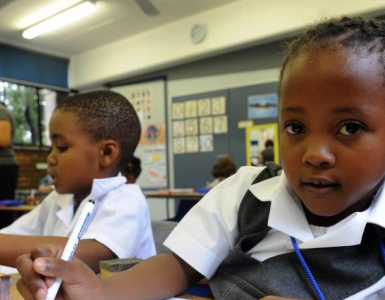
Dr Stacy Doumas, Chief of the Division of Child and Adolescent Psychiatry at Jersey Shore University Medical Centre, said: “The news out of Israel and Gaza is also affecting our children, who are either picking up on the anxiety of the adults around them, or hearing about the atrocities themselves. The situation in Israel and Gaza is tragic”.
“It’s okay to let children know innocent people have been impacted. Parents should help children avoid disturbing news and images, while providing them with age-appropriate information. Let them know that war is complicated and information online is not always accurate. Address their fears so they feel safe and supported.”
To help children cope with grim situations such as the wars, child psychiatrists also advised that:
- Parents should listen and make themselves available to talk. Parents should feel confident initiating conversations about violence. A parent must not assume a child doesn’t know about it just because they haven’t brought it up to them. It was important for parents to work through their own feelings before talking to their children.
- Give kids “age appropriate and basic info about war” and talk about safety, keeping in mind the child’s individual sensitivity level. Pre-schoolers need limited details of the violence.
- Elementary age children can handle a few more details. Middle School age children will start to differentiate their own thoughts from those of their parents. High schoolers are old enough to understand the horrific consequences of war.
- For children, emphasise the ways people are helping. Mentioning that humanitarian workers, volunteers, and people from our government and other governments around the world are working on the situation will make kids feel safer and help put those who cause harm into perspective. A lot of children want to help and it is great to encourage them and provide ways for them to do so in an age appropriate way.
Doumas added: “It’s okay to let children know innocent people have been impacted. Parents should help children avoid disturbing news and images, while providing them with age-appropriate