 WeeklySA_Admin
VISIBILITY: A celebrated return of Johannesburg Art Gallery works draws crowds, but also sharpens scrutiny on governance failures and the future of the city’s cultural heritage…
By Jacob Mawela
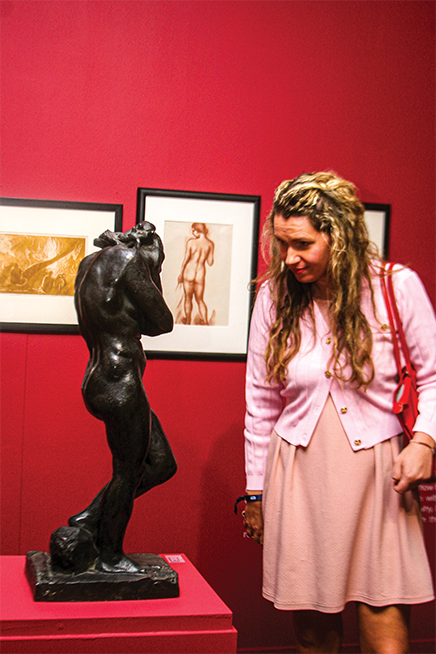
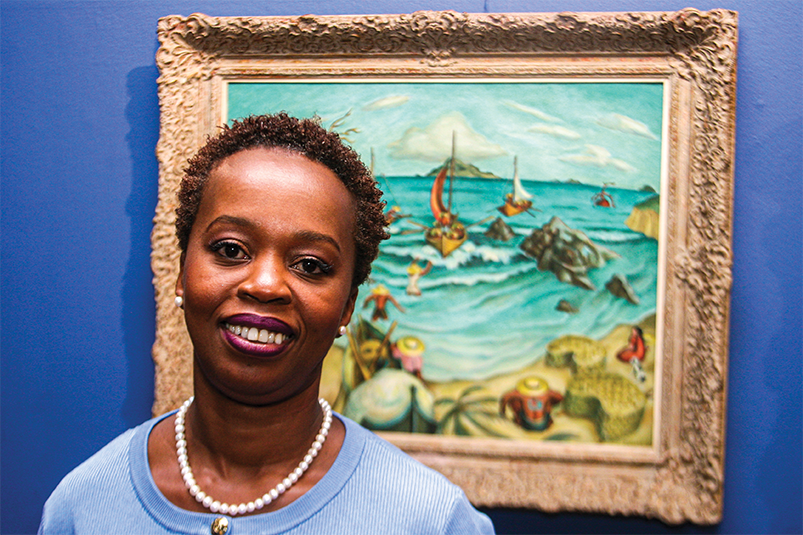
Johannesburg’s art community gathered in the city on March 14, for the opening of Homecoming: The Return of the Johannesburg Art Gallery Collection at the Standard Bank Gallery—an exhibition as significant for what it celebrates as for what it quietly exposes.
The show presents approximately 150 works from the Johannesburg Art Gallery (JAG), returning to South Africa after nearly two years on international tour across Italy, Hungary, and South Korea. Framed as a reflection on belonging, return, and renewed visibility, the exhibition underscores the enduring value of one of the country’s most important public art collections.
The exhibition is the result of a partnership between Standard Bank and JAG, with the financial institution temporarily housing and displaying the collection while the historic Joubert Park gallery undergoes refurbishment. The arrangement seeks to preserve the artworks while expanding public access and reinvigorating interest in visual arts within the inner city.
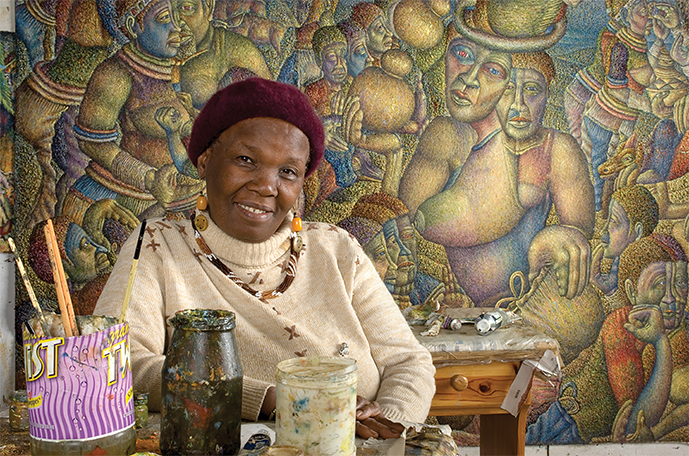
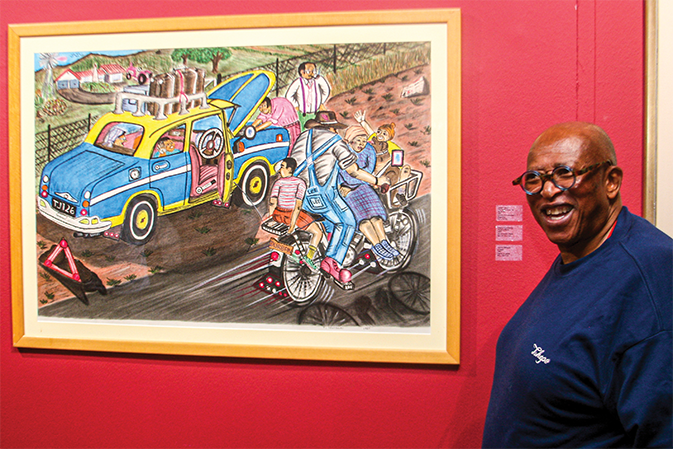
Co-curated by JAG Chief Curator Khwezi Gule and Standard Bank gallery manager Same Mdluli, the exhibition spans an impressive range—from European masters such as Pablo Picasso, Auguste Rodin, and Francis Bacon to South African greats including Irma Stern, Gerard Sekoto, Alexis Preller, and William Kentridge. Contemporary voices such as Tommy Motswai and the late photographer Santu Mofokeng add further depth to the display.
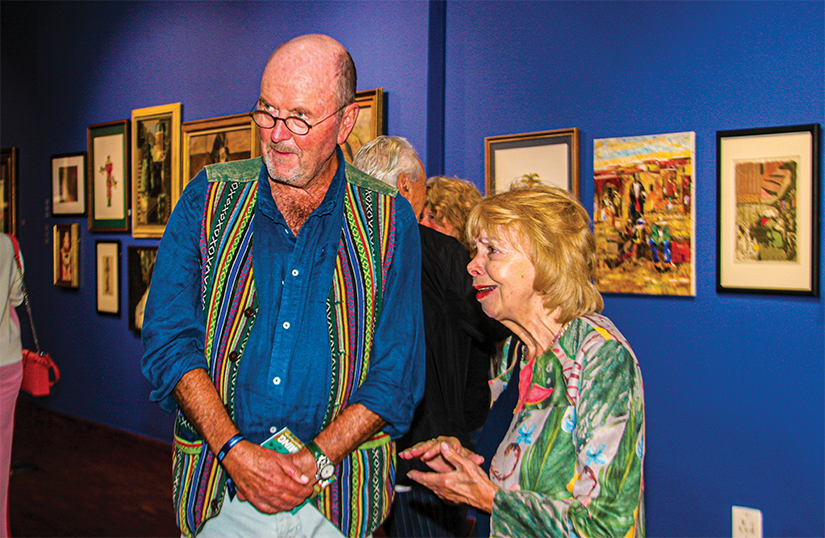
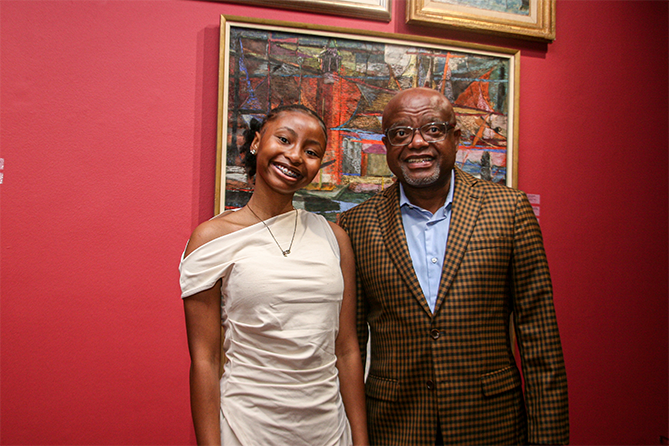
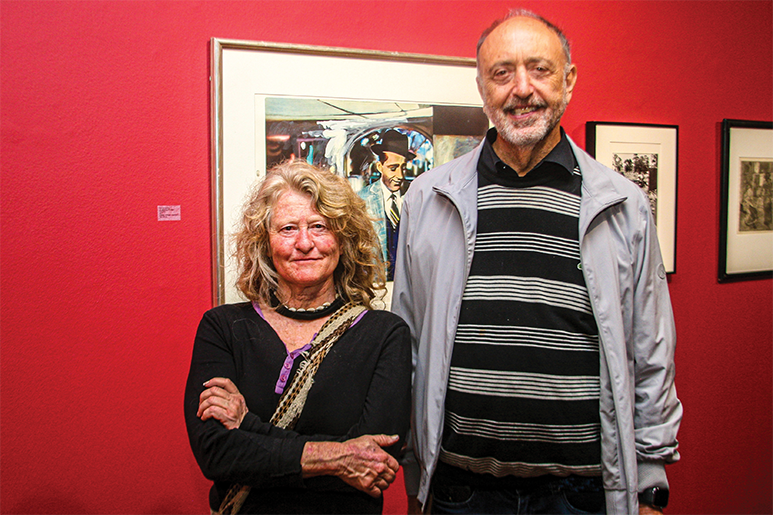
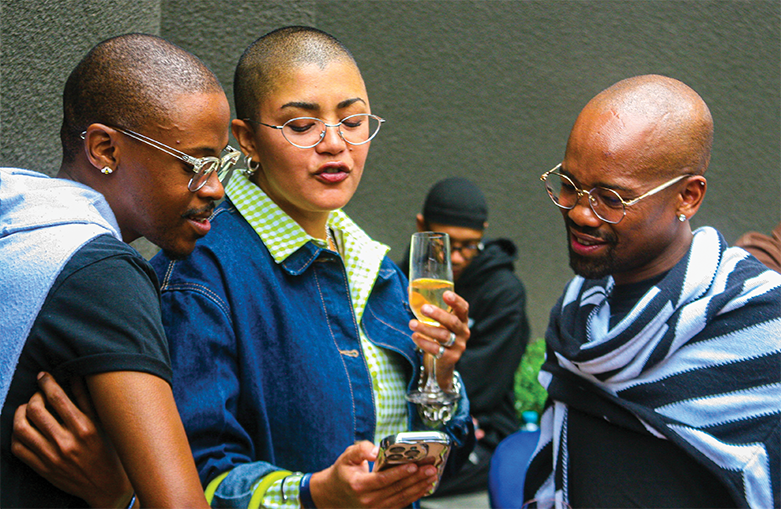
Previously previewed to delegates at the G20 Summit in November 2025, the public opening drew a wide cross-section of the arts community, including artists, curators, academics and city officials.
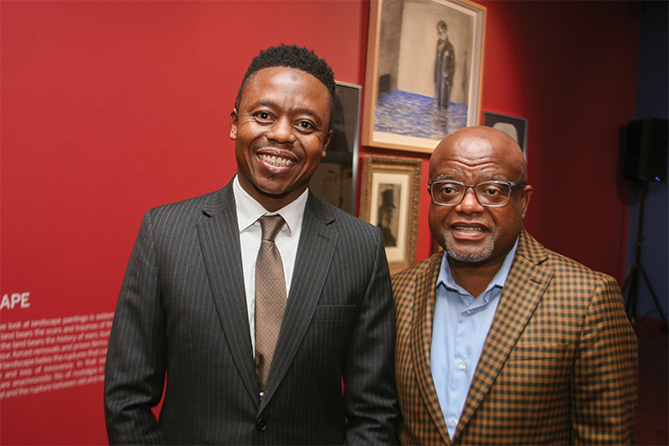
At the public opening, addressed by Johannesburg Mayor Dada Morero and Arts, Culture and heritage director Vuyisile Mshudulu, the celebratory mood was tempered by unfolding political developments. Less than 24 hours after delivering his address, news emerged of Morero’s imminent recall following his removal from the ANC’s Johannesburg regional leadership—raising fresh concerns about continuity in the city’s cultural agenda.
The gallery’s prolonged revitalisation will now continue without him, adding to a pattern of instability that has long hindered the restoration of JAG’s historic Joubert Park home.
Such instability has forced the gallery’s treasures into temporary—and at times unsuitable—spaces, including the Johannesburg City Library and the Brixton Multi-Purpose Centre. These stopgap measures have drawn criticism from stakeholders who argue that the collection remains vulnerable.
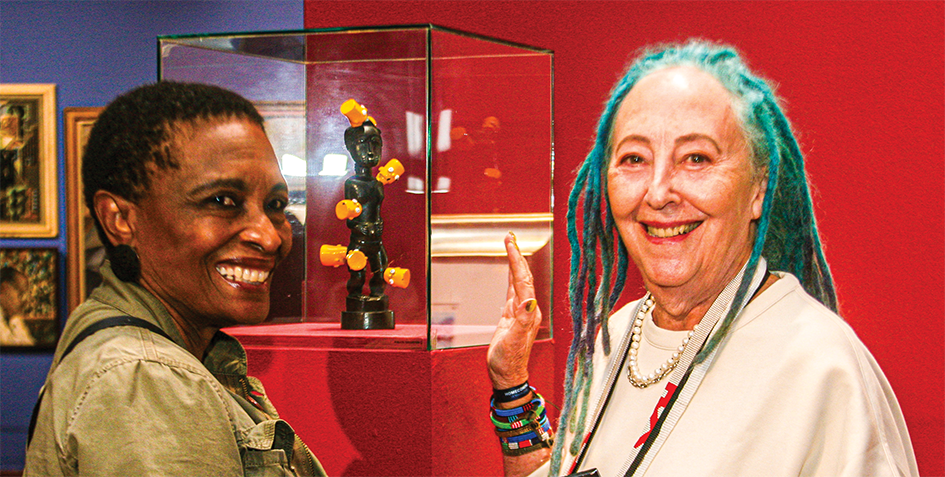
Among them is the Friends of JAG, led by designer Marianne Fassler, who has been vocal about the deteriorating condition of some works and the lack of urgency in addressing conservation needs. Concerns have also been raised by the Johannesburg Heritage Foundation over the City’s R50 million relocation plan, particularly regarding exposure to potentially damaging environmental conditions.
Mshudulu, meanwhile, pointed to a broader vision—linking the gallery’s revival to the wider regeneration of Johannesburg’s inner city. He called on both the media and public institutions to play a more active role in safeguarding the city’s cultural assets.
At the heart of the debate lies a deeper frustration: years of bureaucratic inertia that have left one of Africa’s most important art institutions in decline, even as its collection continues to command global recognition.
Yet, despite the tensions, Homecoming succeeds on its own terms. The exhibition is both rich and accessible, offering audiences a rare opportunity to engage with works that have spent much of the past two years abroad.
A programme of public events—including a walkabout on March 28, a schools’ educational initiative in June, a catalogue launch in July, university seminars in September, and a panel discussion in October—aims to sustain public engagement throughout its run.
The exhibition runs until October 31, at the Standard Bank Gallery, corner Simmonds and Frederick streets in Johannesburg. Entry is free.
In the end, Homecoming is both a celebration and a quiet indictment—showcasing the richness of South Africa’s artistic heritage while reminding the city of its responsibility to protect it.