 WeeklySA_Admin
POWER SHIFT: The green project to power the northern suburb’s shopping hub to provide substantial cost savings and stable energy to the tenants of the complex…
By WSAM Reporter
In a development believed to be the first in the country, Rosebank Mall has flipped the switch by launching South Africa’s largest commercial hybrid energy system.
The mall, one of the country’s swankiest retail establishments which came into existence in 1976, launched the cost-saving energy system that will provide stable energy for its tenants and ease the pressure on the national grid on Tuesday. It is owned by Hyprop, owners of properties such as The Glen, Cape Gate, Clearwater and Hyde Park malls.
Speaking at the launch, Wally Weber, from co-project managers Utenergy/Blackdot, said the initiative was rewriting the rules of how businesses power retail by transforming energy into a strategic asset, and shifting the mall from a power consumer to an energy player.
The project has been two years in the making, having encountered a myriad of mind-bending challenges along the way, which forced the project partners to muster the deepest resources to see it to its fruition – at a cost of millions of rand.
“It is setting a new benchmark for urban energy resilience and return on investment,” Weber said, adding that the system was unlike typical green energy projects that rely solely on renewables.
The critical differentiator was that this model was built on “energy arbitrage” geared at storing power “when it is cheapest” and deploying it during peak demand. The key result is that it will provide stable energy to tenants, reduce pressure on the national grid while delivering a strong financial return for all parties. In the long term, it is expected that the project will rake up energy cost savings of up to 50 percent in the long term.
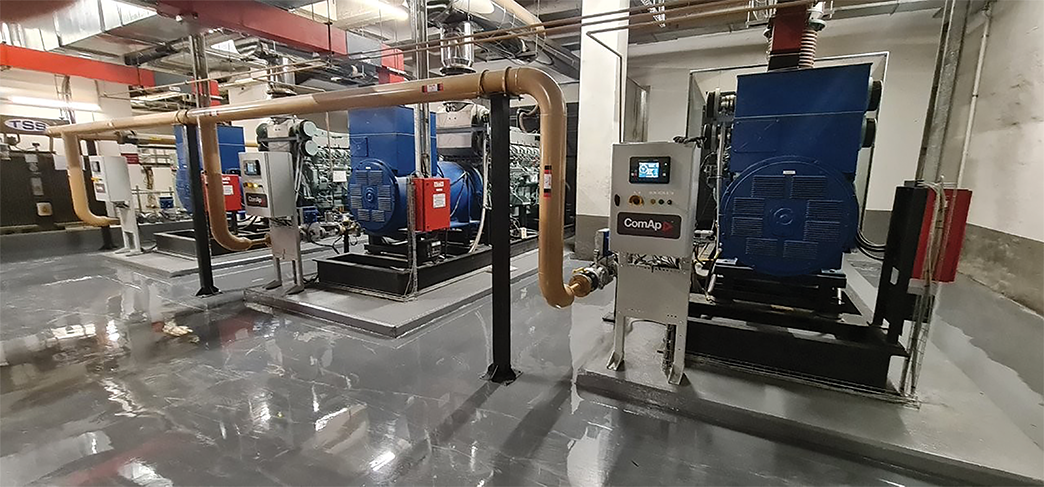
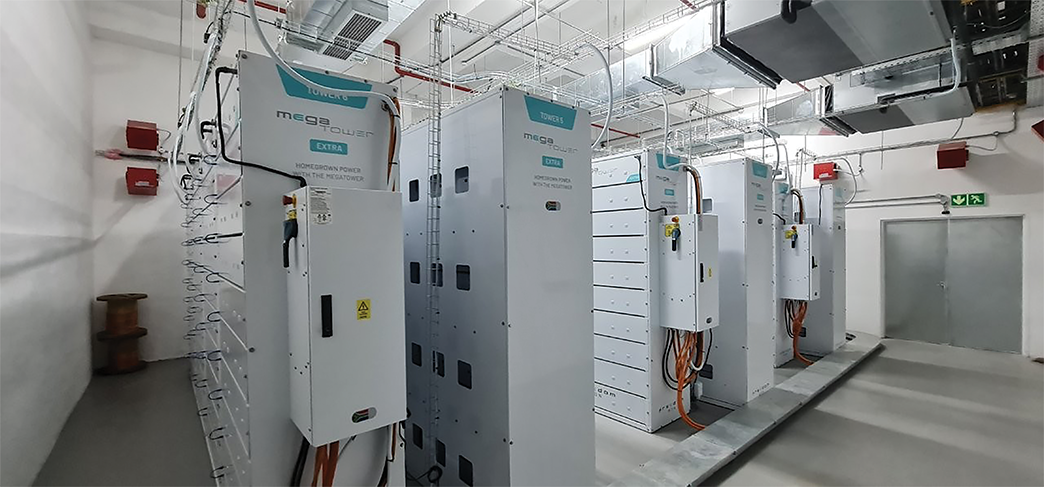
The hybrid setup comprises a 4.5MW inverter, a 7.2MWh battery energy storage system, and a 3 MW dual-fuel gas and diesel generator. All components are managed through ComAp’s intelligent control systems. Batteries stabilise power during outages, while generators run only when it is most cost-effective, which is a core principle of energy arbitrage.
“This isn’t a greenwashing exercise, but rather a commercial strategy that makes the grid stronger and our operations more predictable,” says Muhammad Varachia, General Manager at Rosebank Mall.
“Tenants need reliability, not idealism. This ensures the commercial viability and success of their businesses. That is what this system gives them: stability, flexibility, and control.”
Hyprop Investments Portfolio Executive, Heloise Whitehead Morné Wilken, sees the project as a long-term asset.
“This is commercial energy planning, not crisis response. Rosebank Mall has transitioned from being grid-dependent to grid-smart. The financial model is as robust as the technology behind it,” Wilken adds. The project complied with Eskom’s Demand-Side Management programme, according to the project managers who stressed its ability to disconnect from the national grid during peak periods – a factor that reduced operational costs, helping to ease strain on the country’s overstretched infrastructure.
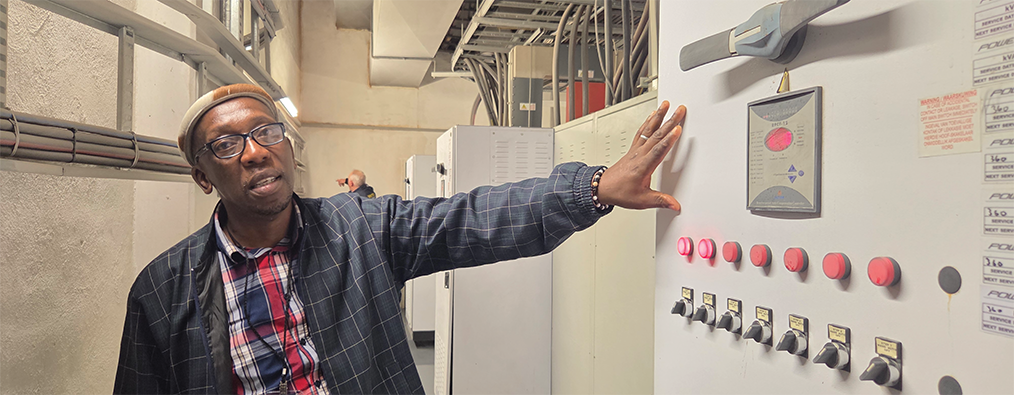
The mall’s assistant operations manager, Moses Sithole, says the system would immediately create a huge dent on the mall’s massive energy bill which ran into millions monthly. An additional benefit was that the system also restored essential infrastructure beyond the mall itself. It extended to the pedestrian crossing lights on Bath Avenue, which was already powered by the mall’s internal energy system during load shedding.
This upgrade improved safety for the community and reflects the broader value of the project beyond retail. One of the beneficiaries from the project was the adjacent office building housing Hypop administration staff, which was already plugged into the system.
As South Africa’s energy challenges deepen, Rosebank Mall offers a commercially sound, technically credible response. For retailers, it means continuity. For the grid, it means relief. For the country, it signals what is possible when private sector investment meets infrastructure thinking.