 WeeklySA_Admin
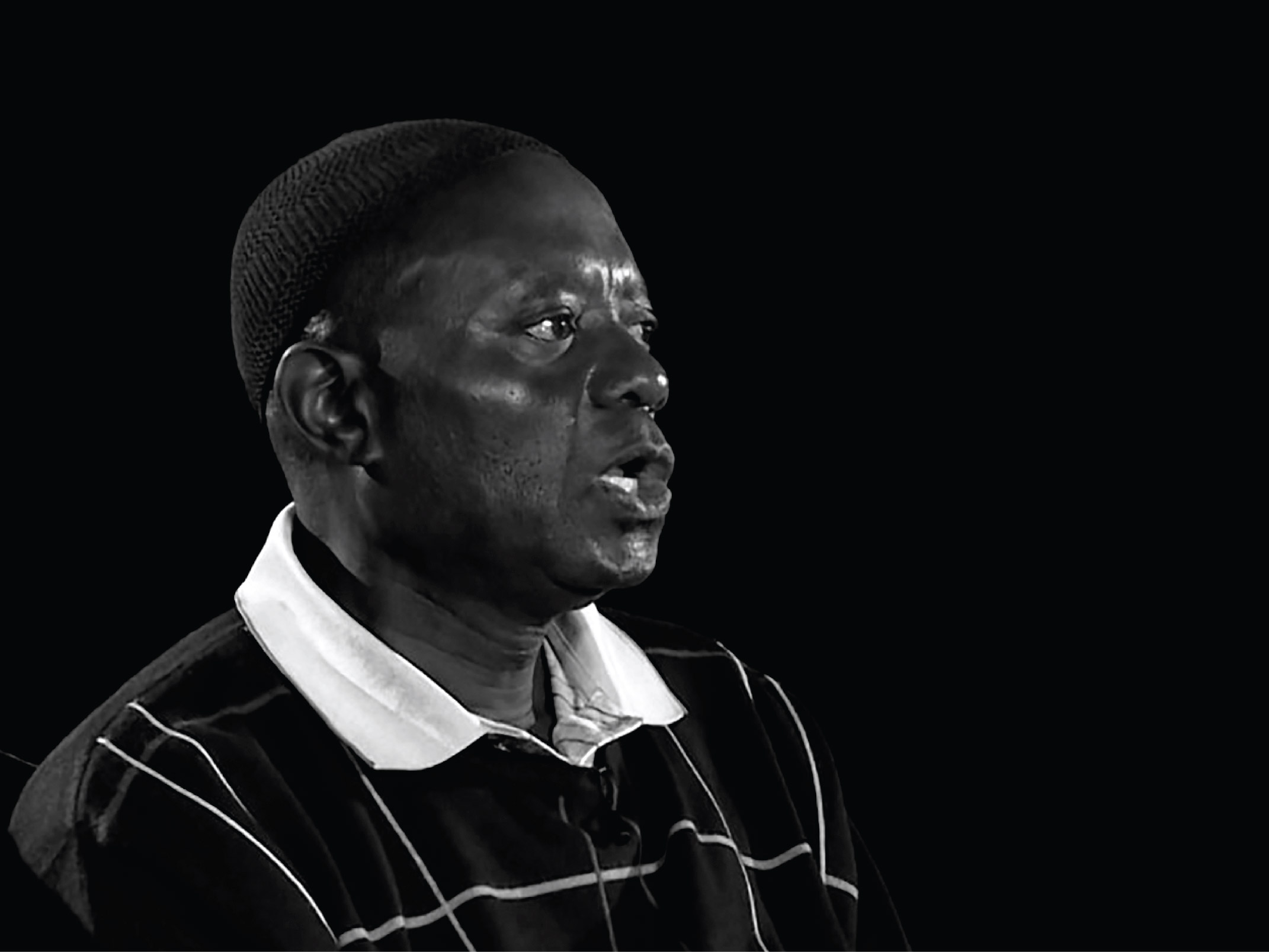
VERSATILE: Maishe Maponya had his fair share of detentions
By Victor Mecoamere
Playwright, actor, director, and poet, Maishe Maponya, who was a respected arts and culture academic, died this week after an illness.
Maponya, who was a senior drama lecturer at Wits University, will be best remembered as having been a fierce Black Consciousness Movement adherent whose ideological leanings showed prominently in his plays and poetry recitals. He was born on 4 September 1951 in Alexandra, a sprawling yet depressed black residential area that is, ironically, a part of obscenely-affluent and predominately-white suburb of Sandton.
When he was aged 11, Maponya’s family was among countless other oppressed black households that were forcibly transplanted to Diepkloof in Soweto in 1962. He was a supervisor at assurance company, Liberty Life while he also wrote, directed and acted in drama, poetry and music productions for the Diepkloof-based Bahumutsi Drama Group. He also led the Allah Poets for some time.
In the eighties, Maponya’s name was in the league of township theatre luminaries who included Gibson Kente, Paul Rapetsoa, Peter Ngwenya, John Moalusi Ledwaba, Sam Mhangwani, Boikie Mohlamme and fellow Black Consciousness advocate, Matsemela Manaka.
Maponya’s light shone even brightest after the release of African National Congress leader Nelson Mandela in 1991, when the National Party had relaxed the stranglehold that had constricted the lives of an innumerable activists.
Ever the unflagging arts and culture practitioner, Maponya loved to write, direct and perform in his own plays. One of these, Gangsters, which had featured the late George Lamola, drew a lot of hostile attention from the divisive authorities, who – short of banning the play – had restricted the two-hander to small theatres.
He also had his fair share of harassments, including being stalked and several stints in detention as a political prisoner. His versatility was legendary. For an example, Maponya played leadership roles in arts and culture, politics, academia, unionism and community development. Maponya was one of the leaders of the Performance and Allied Workers Equity. In the early 200s, Maponya worked as an executive officer for the Johannesburg Southern Metropolitan Council’s Library, Arts and Culture department.