 WeeklySA_Admin
DEDICATION: In this article, Unisa vice-chancellor Puleng LenkaBula says the press is under siege globally, with governments and powerful actors attempting to control narratives…
By Professor Puleng LenkaBula
As South Africa marks the 47th anniversary of Black Wednesday, we reflect on one of the darkest moments in our history when the apartheid government launched an aggressive assault on media freedom. On 19 October, 1977, a day when newsrooms were raided, newspapers were banned and journalists were detained for daring to expose the brutal realities of apartheid.
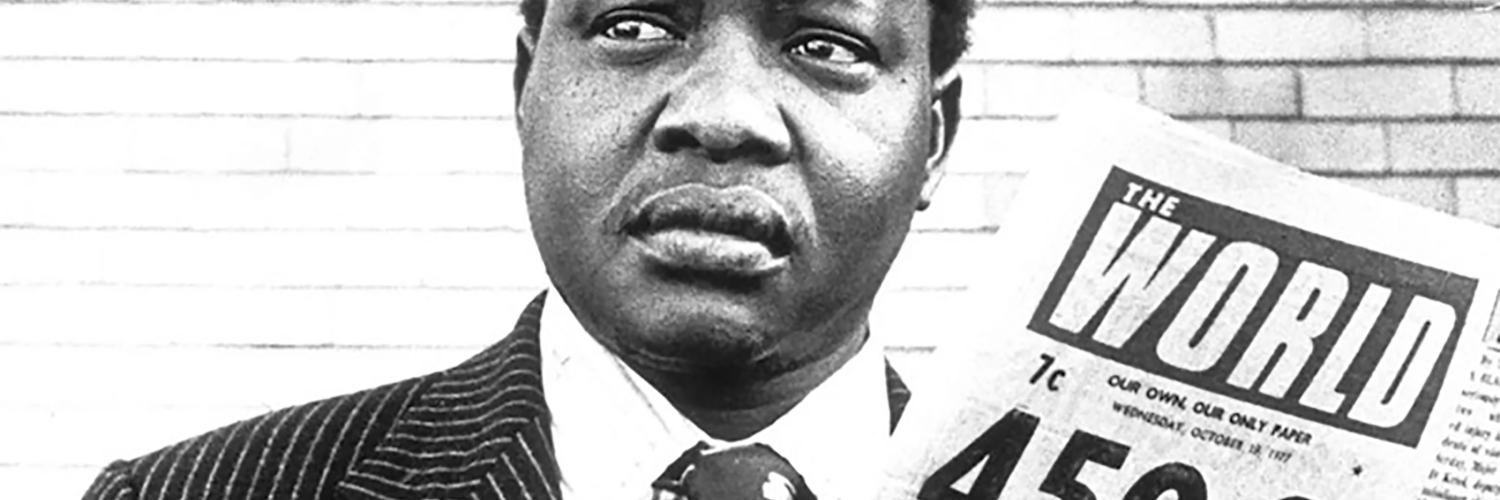
At the forefront of this struggle was Percy Qoboza, a fearless journalist and editor of The World newspaper, who used his pen to challenge the injustices of the time.
Detained alongside his colleagues, Qoboza became a symbol of resistance and courage, embodying the critical role that journalism plays in holding power to account. His voice, though temporarily silenced, left an indelible mark on the fight for freedom and justice in South Africa.
At Unisa, we are proud to honour Percy Qoboza’s legacy as both a pioneering journalist and an alumnus of our institution. His commitment to truth, social justice and the empowerment of the marginalised resonates deeply with Unisa’s core mission. As an open distance learning institution, we are dedicated to creating a space where the free exchange of ideas, critical thinking and the pursuit of justice thrive.
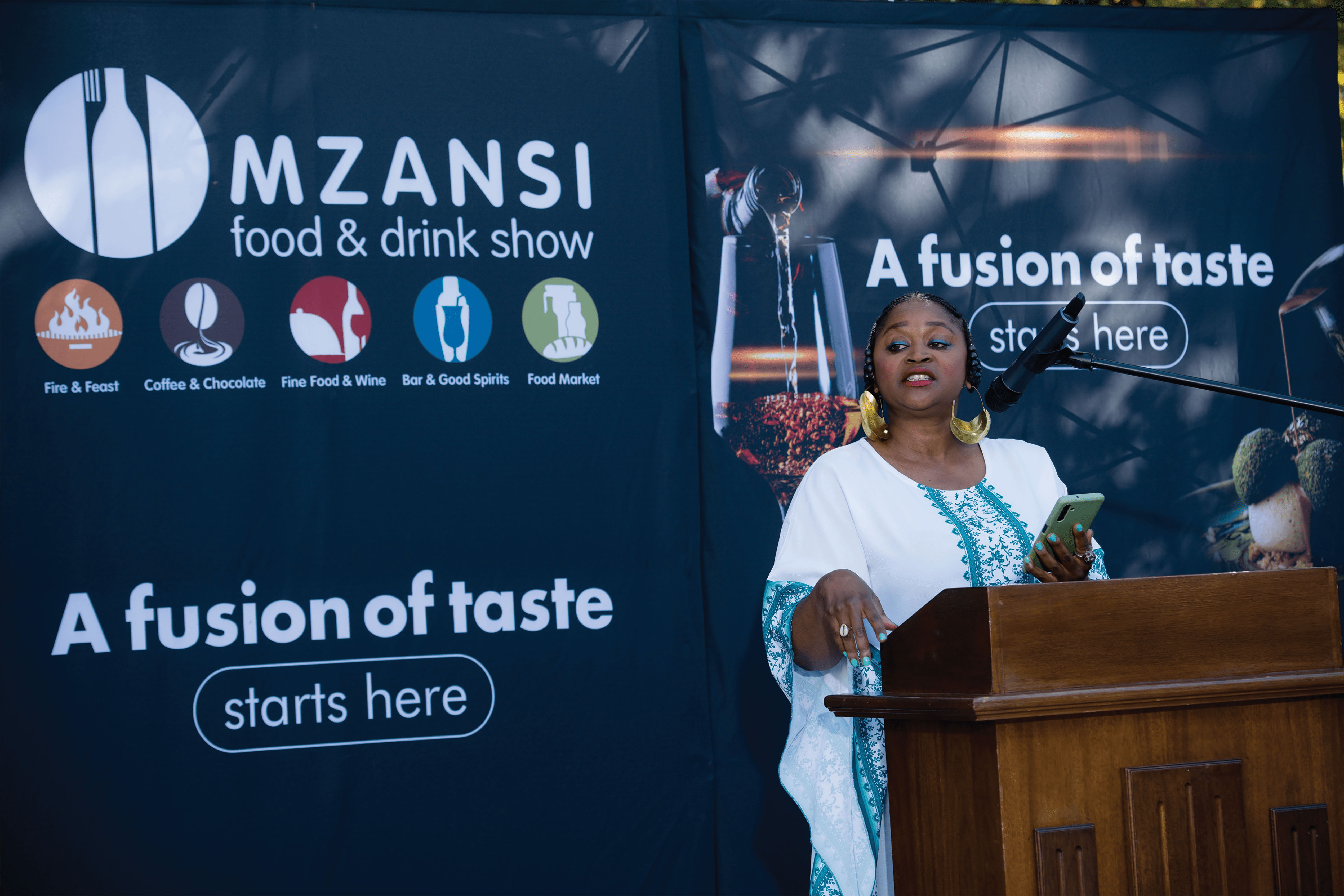
This week Unisa hosted the 14th Percy Qoboza Memorial Lecture, a platform dedicated to celebrating media freedom and reflecting on the challenges faced by journalists today.
The lecture brought together thought leaders, journalists, and students to explore the evolving media landscape and the critical importance of defending press freedom in a world where truth is increasingly under siege.
Media freedom is not just a constitutional right; it is the lifeblood of our democracy. It enables citizens to make informed decisions, holds those in power accountable and serves as a bulwark against tyranny. However, even in today’s democratic South Africa, journalists continue to face challenges, including intimidation, harassment and economic pressures that compromise their ability to fulfil their role as watchdogs of society.
As Vice Chancellor of Unisa, I see it as our duty to continue the work of Percy Qoboza by fostering an environment where journalism and media studies students are equipped with the tools they need to be responsible, ethical and courageous in their pursuit of truth. Our institution is committed to producing graduates who understand that media freedom is not just about reporting the news but about safeguarding democracy and advocating for the most vulnerable in society.
As we reflect on the legacy of Black Wednesday, we must recognise that the fight for media freedom is ongoing. Globally, the press is under siege, with governments and powerful actors attempting to control narratives, silence dissent and spread misinformation.
In South Africa, while we have come a long way since the days of apartheid-era censorship, new threats, including the concentration of media ownership and financial pressures, present fresh challenges to journalistic independence.This is why the annual Percy Qoboza Memorial Lecture is so critical.
It serves as a reminder that we must remain vigilant in defending the gains we have made and that we must continue to push for greater protections for journalists. At Unisa, we believe that the legacy of Percy Qoboza and the lessons of Black Wednesday must inspire us to stand firm in our commitment to media freedom—not just in South Africa but across the African continent.
In conclusion, I call on all sectors of society—government, civil society, educational institutions and the private sector—to work together to safeguard media freedom. We must ensure that the sacrifices made by journalists like Percy Qoboza were not in vain.
The press must remain free, fearless and committed to the principles of truth and justice, for without it, our democracy cannot flourish.
Professor Puleng LenkaBula is the Vice Chancellor of the University of South Africa.