

 WeeklySA_Admin
INCIDENCE: Nearly three billion live with condition affecting the brain…
By Monk Nkomo
Growing cases of people with neurological conditions – responsible for 11 million people dying in the world each year – has become a global concern.
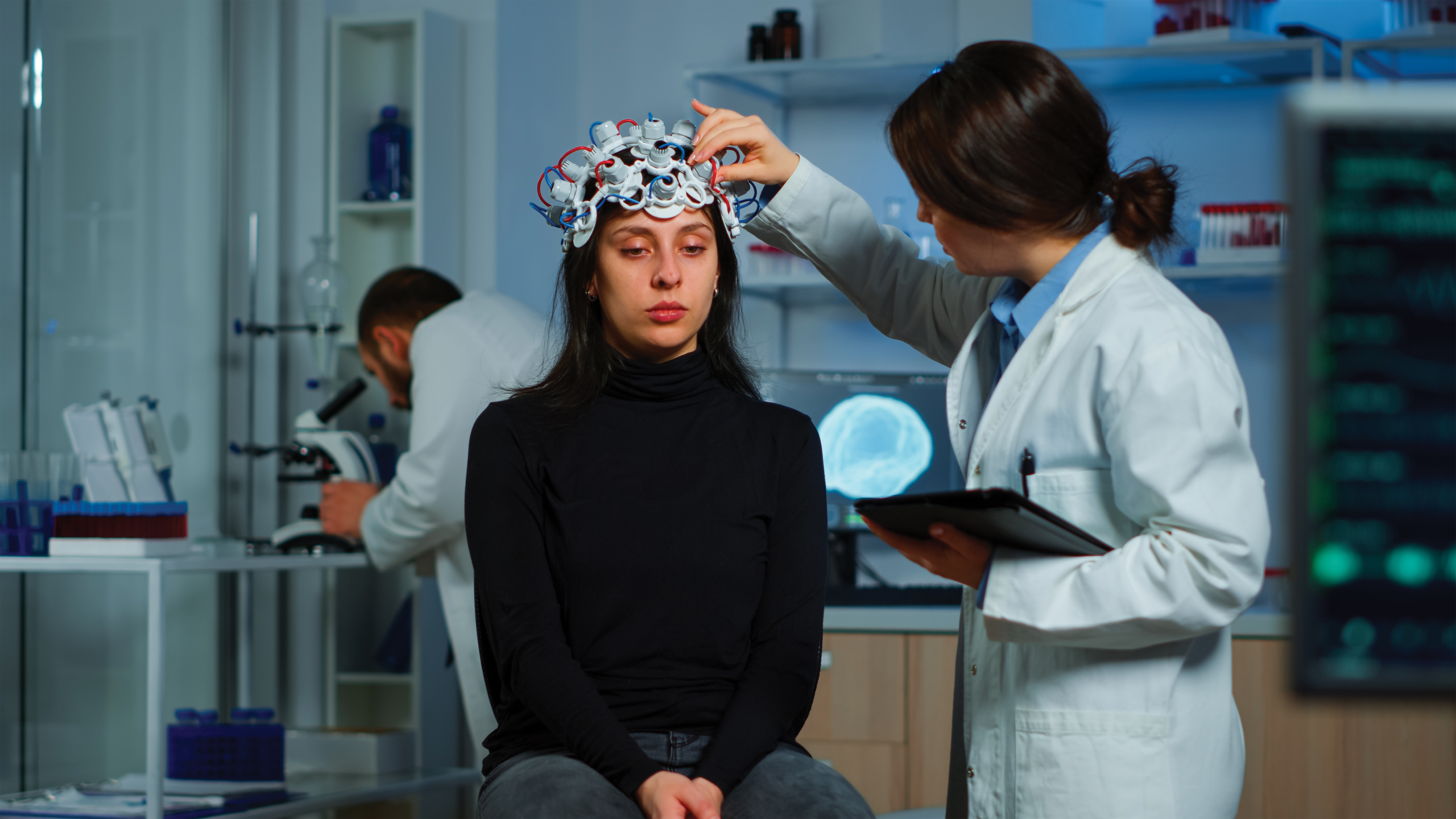

The conditions, which include Alzheimer’s disease, stroke and meningitis, affect more than 40 percent of the global population – more than three billion people. Yet, few countries – one in three – had the measures in place to address the growing burden of neurological disorders responsible for more than 11 million deaths globally each year.
This is according to the World Health Organisation (WHO) in their new Global status report on neurology.
Low-income countries experienced more cases of the conditions – because they had more than 80 times fewer neurologists compared to high-income nations. This is despite the high burden of these diseases which – since 2021 – have also included neonatal encephalopathy, migraine, diabetic neuropathy, idiopathic epilepsy, neurological complications linked to preterm birth, autism spectrum disorders and cancers of the nervous systems.
Just 32 percent of member states (63 countries) had a national policy addressing neurological disorders and only 18 percent (34 countries) reported having dedicated funding to address them.
The report also revealed a severe lack of qualified health professionals, with low-income countries facing up to 82 times fewer neurologists per 100 000 people compared to high-income nations. This shortage meant that for many patients, timely diagnosis, treatment and ongoing care were simply out of reach
Many low- and middle-income countries lacked national plans, budgets and workforce, says the WHO, which has called for “urgent, evidence-based and coordinated global action” to prioritise brain health and expand neurological care.
Low and middle-income countries, including sub- Saharan African countries, bear the brunt of neurological deaths and health loss with over 80 percent occurring in these regions, according to the Institute for Health Metrics and Evaluation,.
“With more than one in three people in the world living with conditions affecting their brain, we must do all we can to improve the health care they need,” said Dr Jeremy Farrar, WHO Assistant Director-General, Division of Health Promotion, Disease Prevention and Control.
“Many of these neurological conditions can be prevented or effectively treated, yet services remain out of reach for most – especially in rural and underserved areas – where people too often face stigma, social exclusion and financial hardship. We must work together to ensure we put patients and their families first and that brain health is prioritized and properly invested in.”
The first-of-its-kind report highlighted that only 53 percent of WHO Member States (102 countries out of 194) contributed to this report – an indicator of the limited attention given to neurology.
The WHO warned that, without strong policy frameworks, health systems remained fragmented, under-resourced and ill-equipped to meet the needs of patients and families.
While public awareness-raising campaigns and advocacy efforts were making progress, there was still significant room to strengthen them – reducing stigma, accelerating reform and ensuring millions received the care and recognition they deserved.
According to the report, essential services were out of reach for most people. Only 25 percent of member states (49 countries) included neurological disorders in their universal health coverage benefit packages. Critical services such as stroke units, paediatric neurology, rehabilitation and palliative care were frequently lacking or concentrated in urban areas, leaving rural and underserved populations without access to lifesaving and life-sustaining care.
Neurological conditions often required lifelong care. Yet, only 46 member states offered carer services and just 44 had legal protections in place for carers. As a result, informal carers – most often women – were left without recognition or support, reinforcing social inequities and placing a significant financial strain on families.
‘’Weak health information systems and chronic underfunding of research – particularly in low- and middle-income countries – limit evidence-based decision-making and prevent the design of effective policies on neurological disorders,’’ the WHO said.
In response to these growing public health challenges, Member States had adopted the Intersectoral global action plan on epilepsy and other neurological disorders in 2022 to reduce the burden and impact of neurological conditions.
The action plan provided countries with a roadmap to strengthen policy prioritization, ensure timely and effective care including health promotion and disease prevention, improve data systems and engage people with lived experience in shaping more inclusive policies and services.
Weak health information systems and chronic underfunding of research – particularly in low- and middle-income countries – limited evidence-based decision-making and prevented the design of effective policies on neurological disorders.
In response to these growing public health challenges, member states adopted the Intersectoral global action plan which provided countries with a roadmap to strengthen policy prioritisation, ensured timely and effective care, including health promotion and disease prevention, improved data systems and engaged people with lived experience in shaping more inclusive policies and services.
Without action, the burden of neurological disorders would continue to rise, deepening global health inequalities.
The WHO has urged governments to:
• Make neurological disorders a policy priority through bold leadership and sustained investment;
• Expand access to neurological care through universal health coverage and health system strengthening;
• Promote brain health across the life course with coordinated intersectoral action targeting key risk and protective factors; and
• Strengthen data systems and monitoring for evidence-informed decision-making and accountability.
The Institute for Health Metrics and Evaluation has listed some of countries with most neurological cases as Italy, Norway and the United States of America for the highest age to standardised incidence rates and Iran and Egypt for high incidence rates. Other countries with a high burden of neurological disease included several areas in sub-Saharan Africa, China, Afghanistan and Kiribati.