 WeeklySA_Admin
BACKDROP: With the first day of Paris Olympics marred by widespread travel chaos caused by railway sabotage on rail lines around the hosting city today, a study early this month raised the scenario of the event being a possible platform for activist protests amid global tensions?
By WSAM Reporters
This morning – the day of the opening of the Paris Olympics – France woke up to the chaos wreaked by saboteurs who struck France’s TGV high-speed train network in a series of pre-dawn attacks that caused mayhem on the country’s busiest rail lines before the opening ceremony.
The acts of arson targeting France’s high-speed rail network disrupted travel to Paris for around 800 000 people, including Olympic athletes. Eurostar passengers hoping to catch the start of the Paris Olympics faced travel chaos after an arson attack in France caused train cancellations. Those using Eurostar to travel from London to Paris today were asked to postpone trips if possible after the rail operator cancelled one in four trains over the weekend
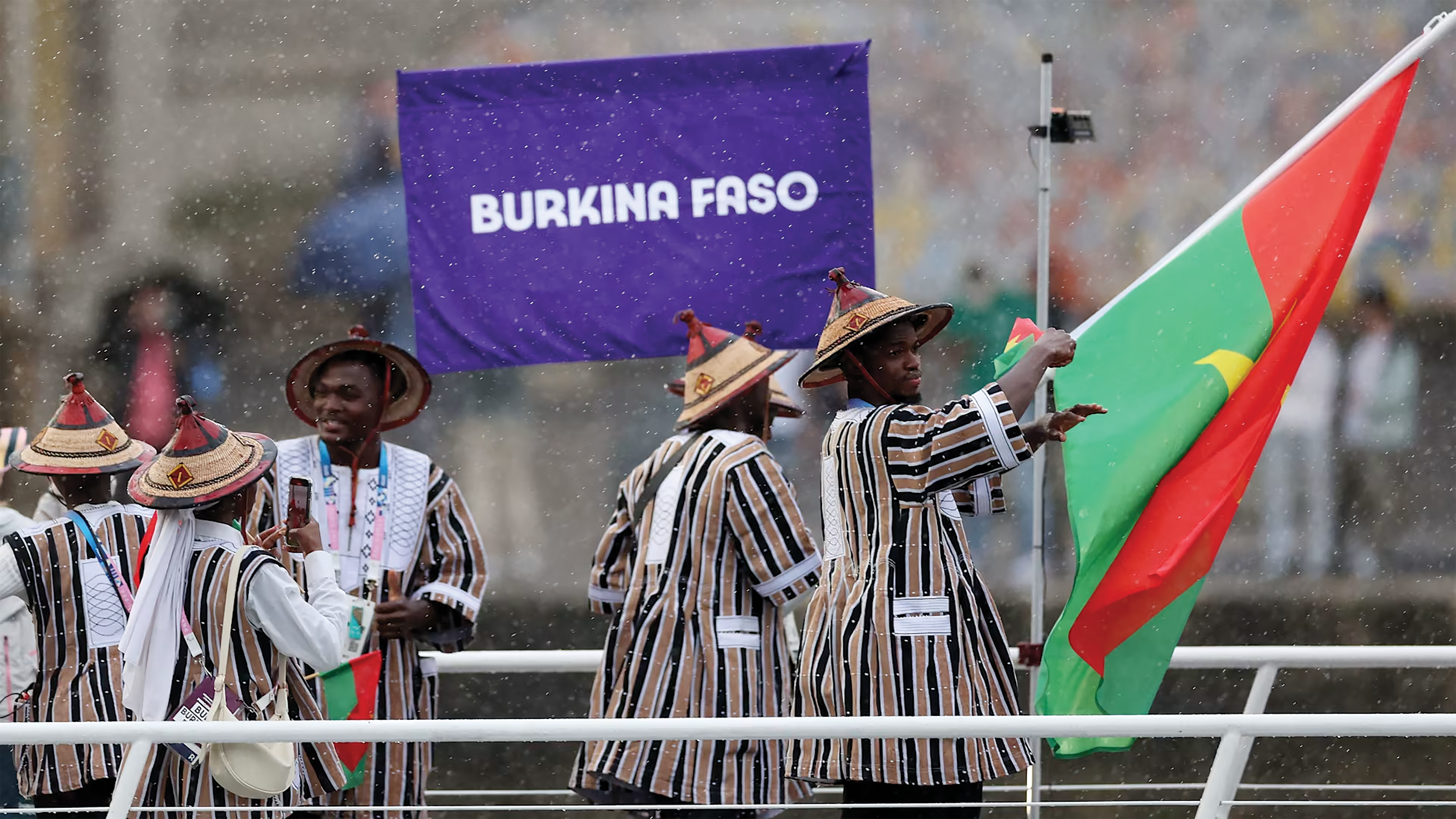
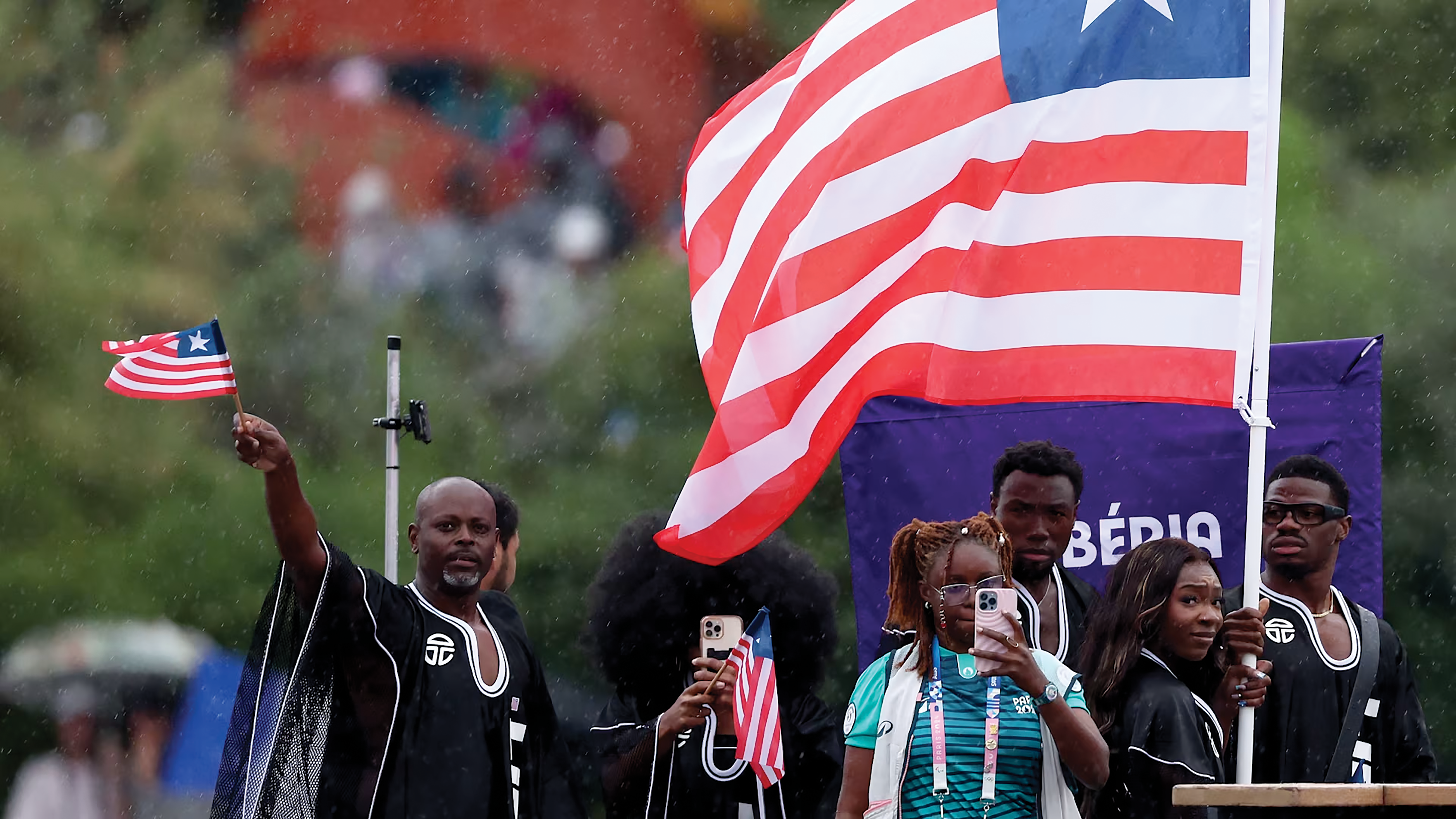
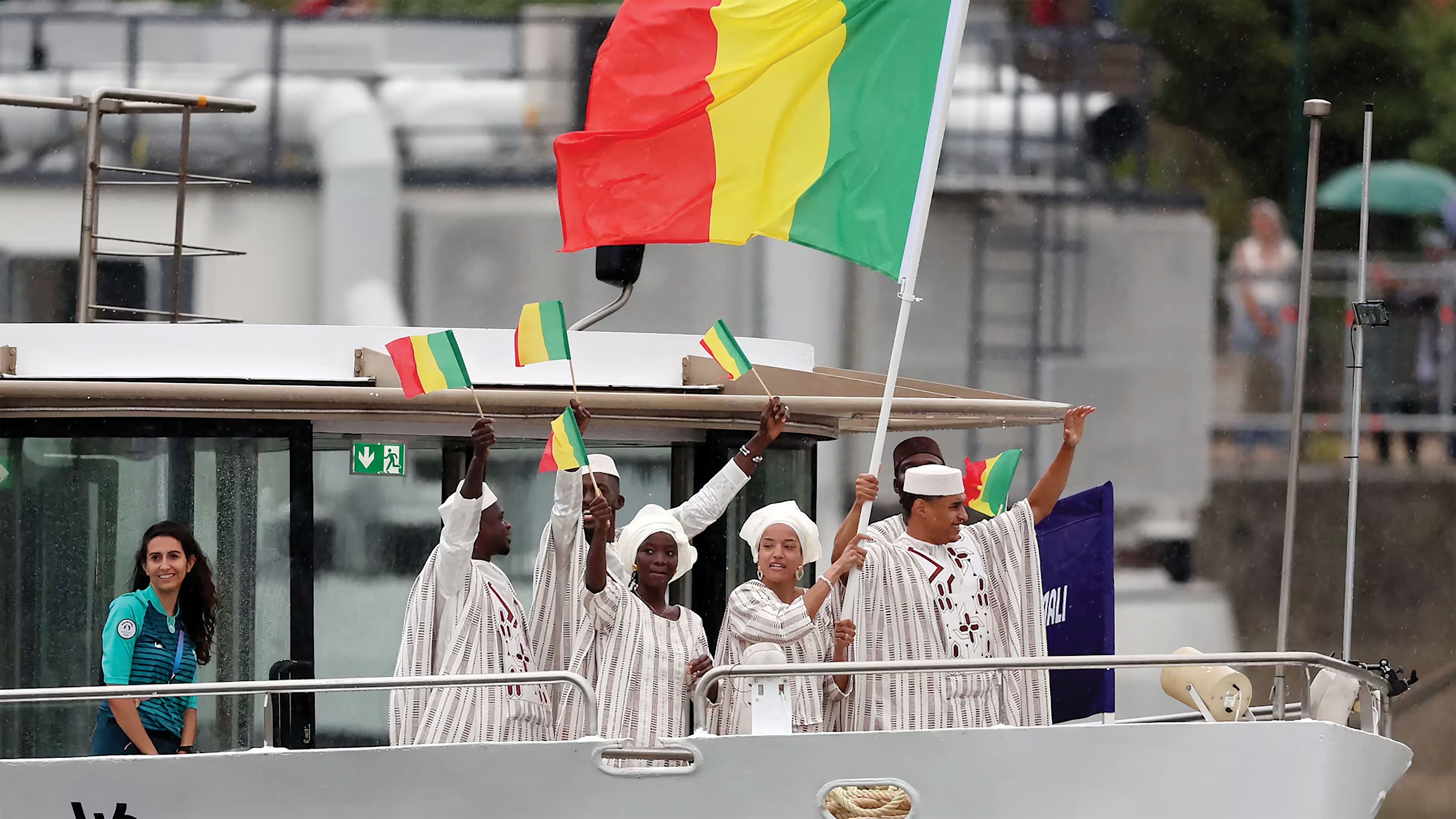
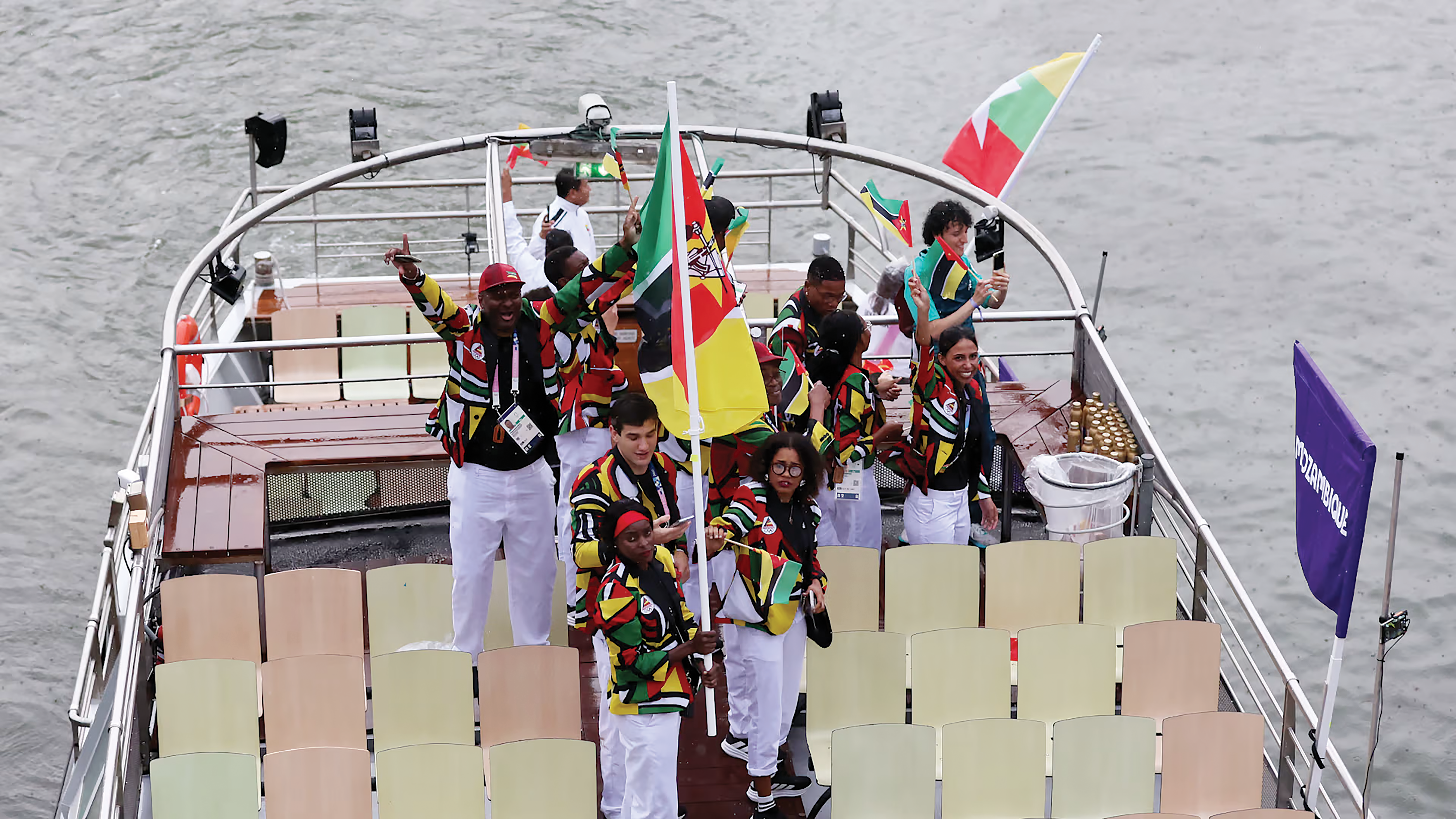
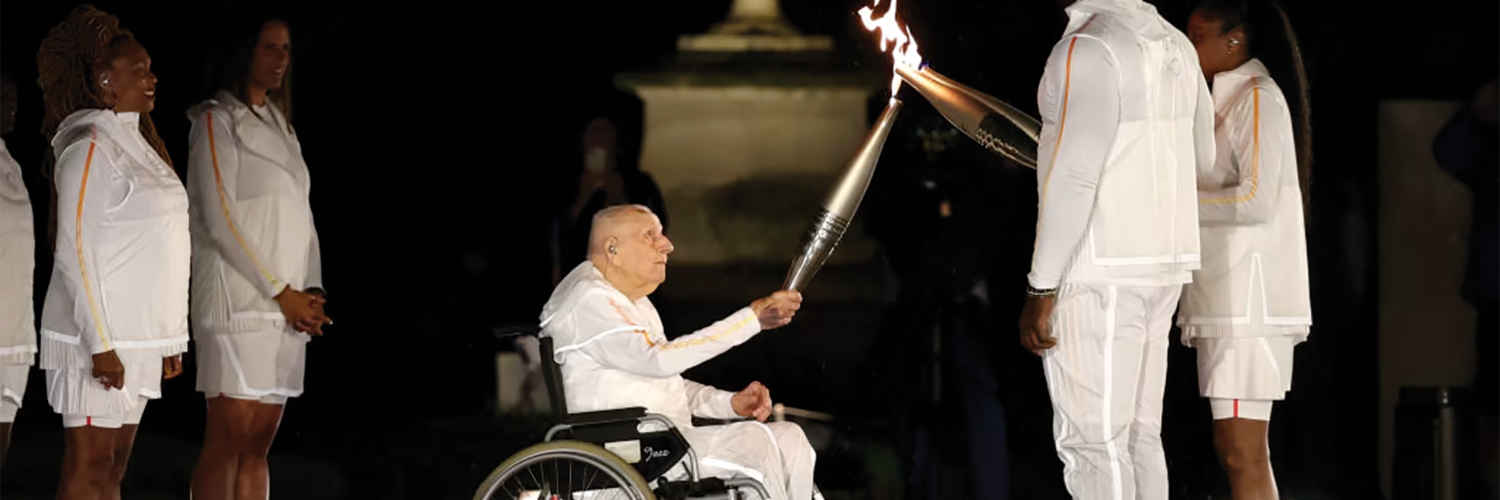
But opening ceremony went ahead without incident as the Paris 2024 Olympics commenced in a stunning and unique fashion, with athletes Marie-José Perec and Teddy Riner igniting the Olympic cauldron, which was elevated by a balloon from the Tuileries Garden, capping off an extraordinary opening ceremony despite the rain.
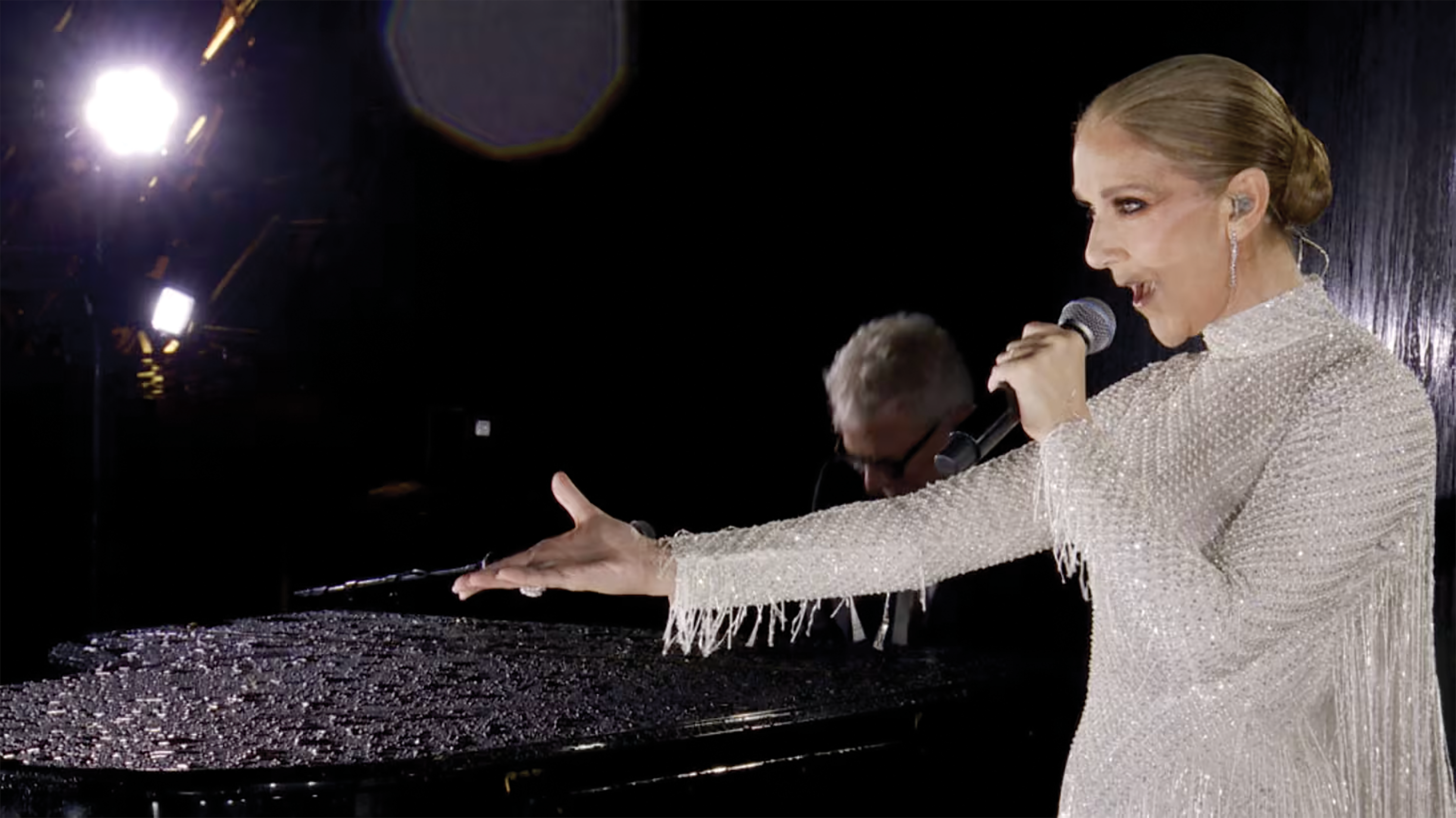
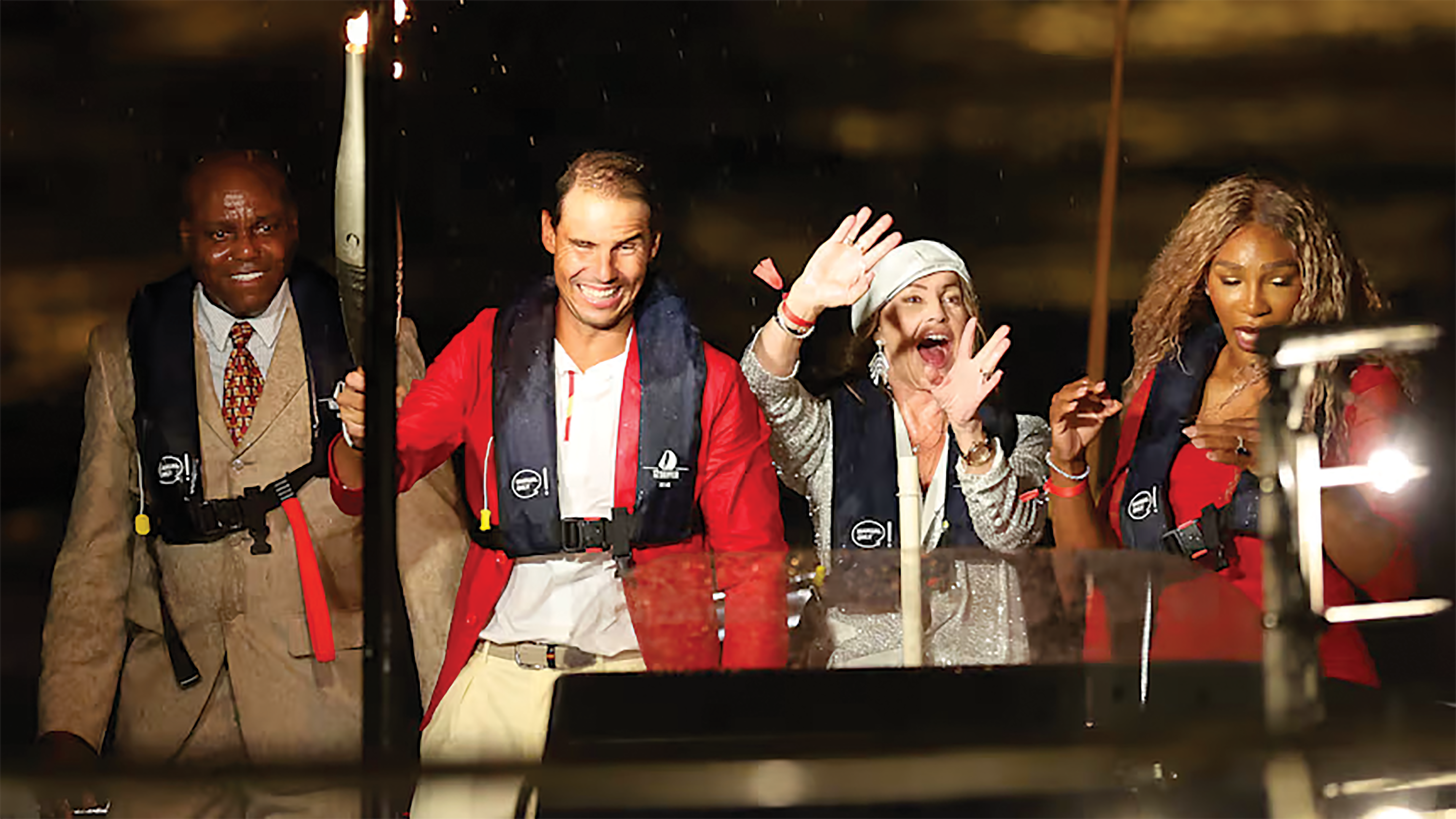
Canadian singer Céline Dion made a special appearance, performing a powerful rendition of Edith Piaf’s “Hymne à l’amour” from atop the Eiffel Tower. As Dion’s voice filled the Parisian night, the Olympic flame soared into the air after a memorable final relay involving sports legends such as Zinedine Zidane, Rafael Nadal, and Nadia Comaneci.
The coordinated sabotage took place as France rolled out an unprecedented peacetime security operation involving tens of thousands of police and soldiers to lock down the capital for the Games, sucking in security resources from across the country.
On Wednesday, a Russian national was arrested on suspicion of planning to sabotage the Olympic Games. French police arrested a 40-year-old Russian man who it said was involved in plots to destabilise the Olympics.
Kremlin spokesman Dmitry Peskov told Daily Mail on Friday that Moscow had read “curious information” about the arrest, but needed more information from authorities in Paris.
It is currently unclear whether the two incidents are related.
Meanwhile, a recent study by three British and Australian universities recently raised the spectre of athletes and sporting teams frequently using the Olympics and other sporting events to make political statements through boycotts and protests.
The study was conducted by Aston University and Teesside University in the UK and the University of South Australia (uniSA) and the findings released a fortnight ago.
This was ahead of the Paris Olympics kick-off and amid the UEFA (Union of European Football Associations) European Football Championship (Euro 2024) at the time, when the researchers behind the study asked – should sport be a platform for promoting social justice issues?
“The 2024 Paris Olympics, like the Euro 2024 soccer tournament, will be watched by billions of people and command media attention around the globe. While athletes take to their arenas, the conflicts waging around the world show no signs of easing,” the researchers said.
Study
The study found that 80% of sporting fans opposed using the Euro 2024 tournament as a political platform for the Ukraine and Gaza conflicts.
UniSA’s senior lecturer in sport and management, Dr Jamie Cleland, says eight out of 10 fans rejected the idea that football should be used to try and promote peace in Ukraine, Gaza or elsewhere, despite the UEFA’s huge audience.
Dr Cleland says athletes using the sporting arena as a political platform is not new. Protests at the Olympic Games date to 1906 when English track and field athlete Peter O’Connor climbed up the Olympic flagpole with an Irish flag in protest of being considered a British competitor.
In more recent times, many famous athletes from various sporting codes have signalled their desire to use sport as a catalyst for change. Following the death of George Floyd in 2020 and the subsequent rise of the Black Lives Matter movement, sports stars from the NBA (National Basketball Association) to the English Premier League have spoken out on the matter.
In 2022 all members of the Iranian football team declined to sing their country’s national anthem before their match against England at the World Cup, in a show of solidarity with protestors in Iran. The silence was a powerful act of defiance against the Iranian government following the death in police custody of 22-year-old woman Mahsa Amini.
The Euro 2024 tournament has already seen a surge in pro-Palestinian displays in the stands despite a ban on flags from non-participating countries. Activists have also been visible en route to matches, handing out hats to fans in a show of pro-Palestinian solidarity.
While social justice and political advocates have used sporting events to their advantage, sporting fans aren’t so tolerant of activism led by sporting authorities or sponsors. – Additional reporting by Independent, olympics.com, beInsport