 WeeklySA_Admin
Perish: A total 1180 people are believed to have died while crossing the Sahara desert during 2020 and 2024
By Monk Nkomo
The manifestation of racism and xenophobia affecting refugees and migrants resulting in perilous land and sea crossings have also led to crimes against humanity including death, torture and kidnappings for ransom.
This is according to a new report released this week by the United Nations High Commissioner for Refugees (UNHRC), the UN Refugee Agency, the International Organization for Migration (IOM) and the Mixed Migration Centre (MMC) titled : ‘’ On this journey, no-one cares if you live or die.’’
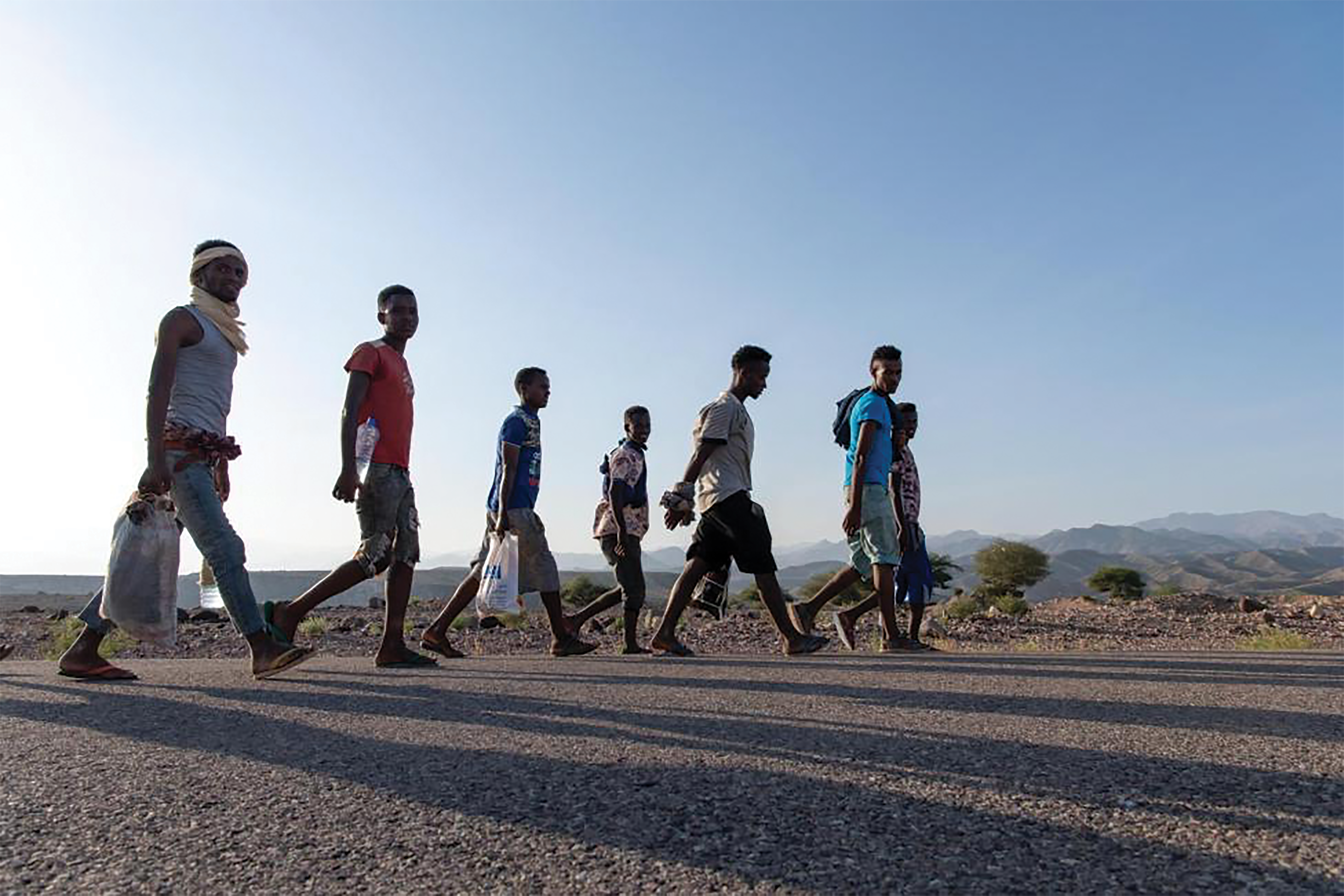
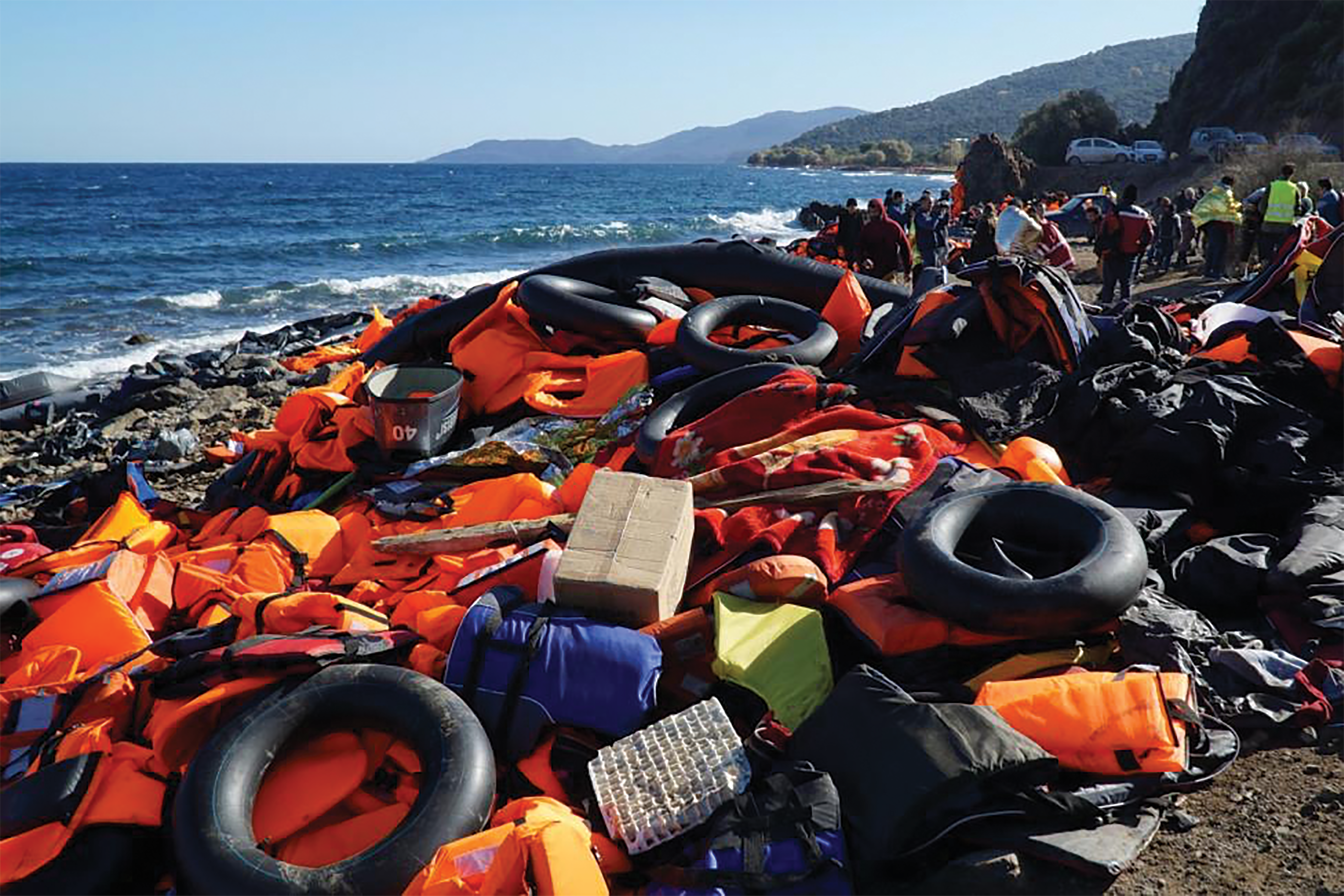
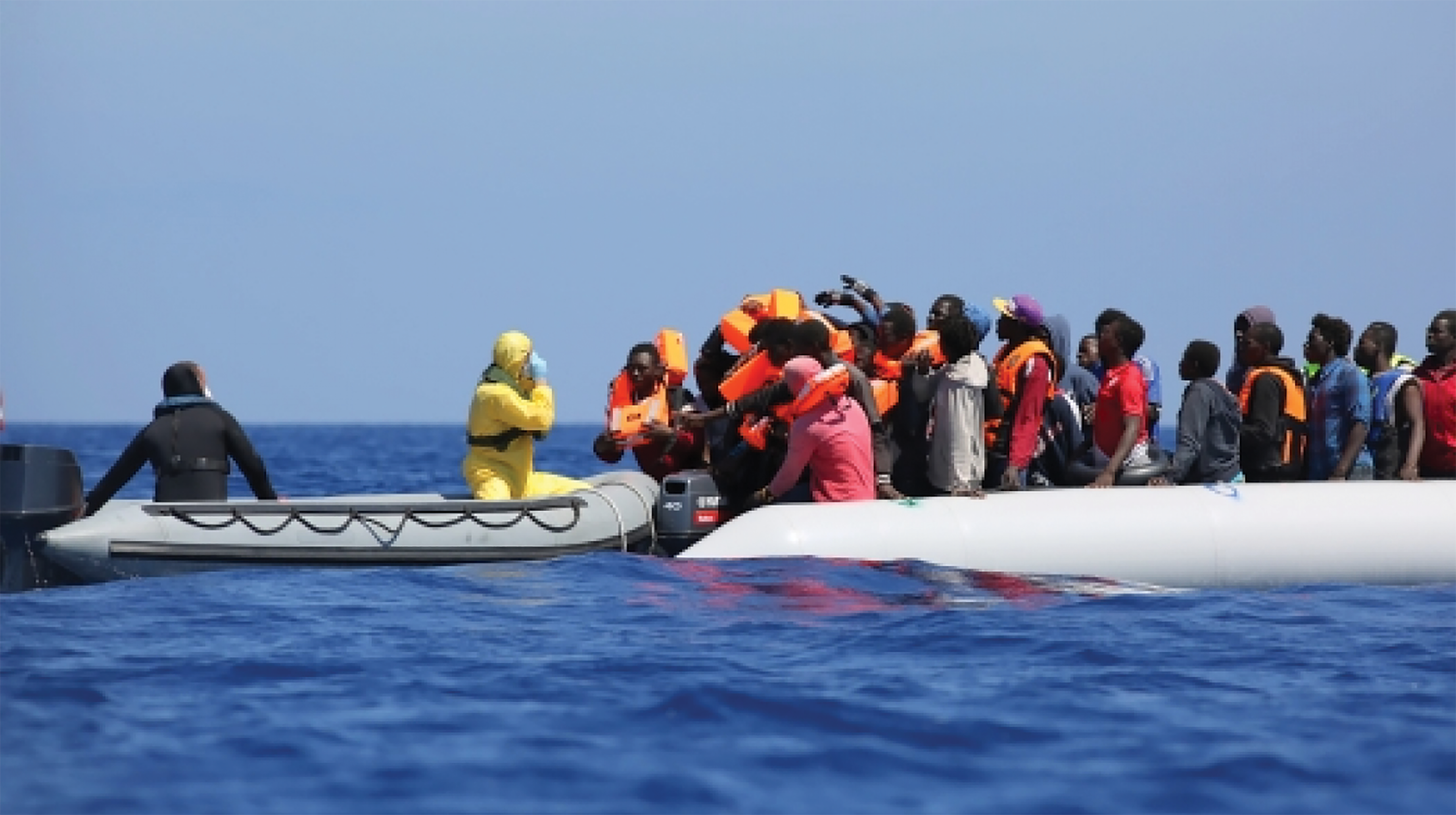
They worked together to map out and update on the risks and different forms of violence that refugees and migrants experienced and who the perpetrators were. The first edition of their report issued in 2020, uncovered patterns of widespread human rights violations and abuses along the routes from East and Horn of Africa and West Africa to North Africa. The report provided clear data for States and their partners to enable them to design routes-based solutions and provide response mechanisms where protection problems occurred.
Unfortunately, three years later, the findings of the first report have been reconfirmed and in some places surpassed the previous cases of abuses. On the contrary, the risks and list of unimaginable horrors people faced in some countries along the routes, had not disappeared, according to the report.
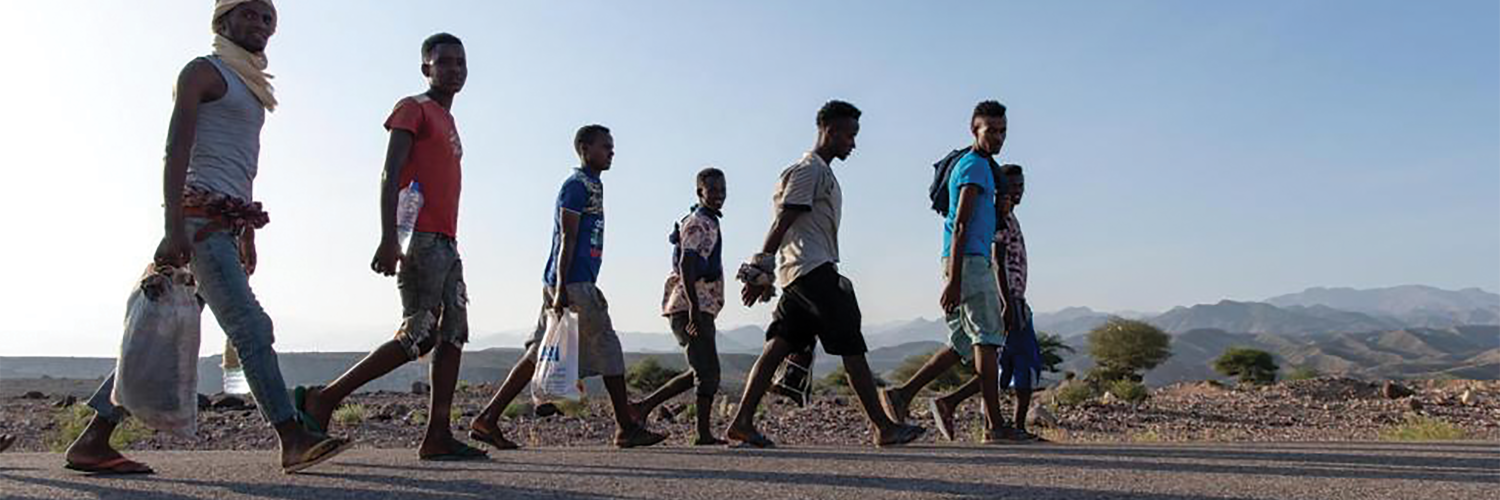
Refugees and migrants continued to face extreme forms of violence, human rights violations and exploitation not just at sea, but also on land routes across the African continent, towards its Mediterranean coastline. With more people estimated to cross the Sahara Desert than the Mediterranean Sea – and deaths of refugees and migrants in the desert presumed to be double those happening at sea – the report casts light on the much less documented and publicized perils facing refugees and migrants on these land routes.
A total 1180 persons are known to have died while crossing the Sahara Desert during January 2020 and May 2024 but the number is believed to be much higher. During the same period, nearly 7115 people on the move were reported to have died or gone missing in the Mediterranean Sea. Spanning a three-year data collection period, the report also warned of an increase in the number of people attempting these perilous land crossings and the protection risks they faced.
The latest report also noted that across parts of the continent, refugees and migrants were increasingly traversing areas where insurgent groups, militias and other criminal actors operated and where human trafficking, kidnapping for ransom, forced labour and sexual exploitation were rife.
‘’ Among the litany of risks and abuses reported by refugees and migrants are torture, physical violence, arbitrary detention, death, enslavement, human trafficking, forced labour, organ removal, robbery, collective expulsions and refoulment.’’
Shockingly, the perpetrators of these horrific acts, according to the report, included the police, security forces, immigration officers, border guards, criminal gangs and armed groups.
This is in part the result of deteriorating situations in countries of origin and host countries – including the eruption of new conflicts in the Sahel and Sudan, the devastating impact of climate change and disasters on new and protracted emergencies in the East and Horn of Africa, as well as the manifestation of racism and xenophobia affecting refugees and migrants.
According to the report, crossing the Sahara Desert – including locations in Libya, Agadez in the Niger and Tamanrasset in Algeria – was doubtlessly recognized as a dangerous segment of the journey. Other dangerous areas included Tripoli in Libya, Khartoum in the Sudan, Bamako in Mali and several other places along the route. More recently, the security situation had further deteriorated in several countries, generating increased displacement and cross-border movement of persons in need of international protection.
Despite commitments undertaken by the international community to save lives and address vulnerabilities in accordance with international law, the three organizations – UNHRC, IOM and MMC – warned that current international action was inadequate.
Huge gaps in protection and assistance prevailed across the Central Mediterranean route, pushing refugees and migrants to move onward on dangerous journeys. Specific support as well as access to justice for survivors of various forms of abuse was rarely available anywhere on the routes. Inadequate funding and restrictions on humanitarian access (including in key locations such as informal detention centres and holding facilities) were also hampering support.
On their part, UNHCR, IOM, partners and several governments had stepped up life-saving protection services and assistance, identification and referral mechanisms along the routes – but humanitarian action was not enough.
The organizations called for concrete, routes-based protection responses to save lives and reduce suffering, as well as a push to address the root causes of displacement and drivers of irregular movements– through positive action on peacebuilding, respect for human rights, governance, inequality, climate change and social cohesion, as well as the creation of safe pathways for migrants and refugees. These should span countries of origin, asylum, transit and destination.
The report noted that commitment of national authorities and multilateral collaboration between law enforcement and other agencies achieved important results . In Italy, for example, some of the investigations carried out by authorities had been successful. However in certain cases, lack of judicial cooperation between States hampered the possibility of success.
*In Libya, non-verified sources reported on May 7, 2023 that in Kufra, the Anti-Illegal Immigration Agency, in a joint operation with the Criminal Investigation Department, raided three locations used by human traffickers. The operation was conducted following a video published by a local citizen on social networks about two Eritreans who managed to escape the traffickers. During the operation, sixty people of different nationalities were freed and thirteen suspects were arrested. All those rescued were transferred to Kufra Immigration Detention and Deportation Centre and those arrested were sent to the Security Directorate for referral to the public prosecutor. According to reports, the traffickers received about 21 000 dollars.
*In the Sudan, during a joint anti-trafficking operation coordinated by Interpol in 2021, Sudanese authorities arrested twenty persons and rescued one hundred victims . On July 8, 2021, the police freed sixty-two victims of trafficking in persons who were detained on a site in Gedarif. On March 22, 2022 the Sudanese General Intelligence Agency raided the residence of a group of traffickers on the outskirts of Khartoum, arrested them and released twenty-five girls who were held captive. On April 1, 2022 , the National Intelligence Service in Gedaref State, stopped a human trafficking network and freed eighteen Ethiopians in the area of Qalaa Al-Nahl.
*In Tunisia, on May 26, 2023 the National Guard arrested a smuggler accused of having organized the departure by boat of twenty Tunisians who died during a shipwreck. The following days , the National Guard announced the arrest of four other smugglers in three different operations in Sbeitla, Monastir and Bizerte.
On November 21, 2021, the National Gendamerie of Algeria in Bordj Bou Arreridj, arrested twenty-four people and in the process, dismantled an international criminal network operating throughout the country through Libya and eventually Europe using, among others, social media.
In 2020, Morocco arrested four hundred and sixty-six suspects allegedly linked to 123 trafficking networks. On March 23, 2021 , five persons suspected of involvement with smuggling and human trafficking, were also arrested. On September 22, 2023, the police arrested four persons suspected of smuggling and trafficking in persons near Rabat.
In February 2020, Kidane Zekarias Habtemariam, one of the most notorious Eritrean smugglers, was arrested in Ethiopia but after one year in prison, he escaped. However, following multilateral collaboration between authorities of the United Arab Emirates, the kingdom of the Netherlands and Interpol, he was rearrested in January 2023 in the Sudan. In March 2020, Tewelde Goitom, known as ‘’ Welid’’, another Eritrean trafficker, was also arrested in Ethiopia along with one of his accomplices, Shishay Godefay Demoz who was sentenced to 16 years in prison . Goitom was subsequently extradited to the kingdom of the Netherlands where he appeared in court in the Dutch city of Zwoll . The kingdom of the Netherlands is now seeking to extradite Habtemariam who is detained in the United Arab Emirates.
The three organizations which compiled this report hoped the findings would bolster action to address the current gaps in the response towards people on the move.
They recommended :
1. Further development and implementation of the concept of route-based approach, allowing a 360-degree response to mixed movements of refugees and migrants;
2. Identifying more clearly existing data gaps in understanding the nature and extent of protection risks along the routes and improve data collection and sharing to better inform policy and programming ;
3. Further develop and expand community engagement and communication mechanisms through dialogue with communities, outreach networks, engagement with diasporas and through work with social media and other communication channels;
4. Debunk disinformation and misinformation published by smugglers , counter the idealization of irregular movements or life in destination countries and provide reliable data to those planning or undertaking the journey including on pathways for regular migration;
5. Record and maintain an updated mapping of protection and essential services along the routes. Where there are gaps, establish safe houses, accommodation and spaces where assistance to meet basic needs, including hygiene, dignity and nutrition and psychological first aid was available.
6. Set up or strengthen mechanisms for systematic monitoring and reporting of rights violations and ensure qualification of specific patterns of abuses such as trafficking in persons;
7. Support accountability efforts by establishing safe mechanisms for information-sharing for investigation and prosecution purposes, in full respect and observance of data protection and confidentiality standards, as well as the do-no-harm principle.
The report said in the complex landscape of migration, this second volume of the report emerged as a crucial body of work that shed light on the stark realities faced by refugees and migrants traversing the perilous Central Mediterranean route all the way from East and Horn of Africa and West Africa to the North African coast of the Mediterranean and across the sea.
After the first iteration of this report was issued in 2021, the limitations to freedom of movement imposed by responses to the Covid-19 pandemic, resulted in a significant reduction in the number of refugees and migrants travelling along the Central Mediterranean route. However, following the lifting of the restrictions and the effects of new events causing instability in Sub-Saharan Africa, including various coups and the conflict in the Sudan, the phenomenon of mixed movements was rebounding significantly and a corresponding increase in violations and abuses of human rights was observed.
‘’ Amidst ongoing conflict, instability, poverty, inequality, climate change, poor governance and human rights violations in countries of origin and transit, as well as the strong need for migrant labour in many of the destination countries, people will continue to move along the mixed movement routes across Africa towards the Mediterranean coast and sometimes onward to Europe’’.The report concluded that more needed to be done to provide tailored protection and assistance as well as search-and-rescue mechanisms for refugees and migrants on the move especially along the less visible part of the journey stretching along the Sahara Desert.