 WeeklySA_Admin
PRESSURE: As South Africa intensifies its crackdown on undocumented migrants, nearly 500 Mozambicans have been deported in the past 24 hours alone amid rising migration tensions…
By Len Maseko and news agencies
Nearly 2 700 Mozambicans have been deported from South Africa since January as authorities intensify a sweeping crackdown on undocumented migration amid rising growing diplomatic unease across the continent.
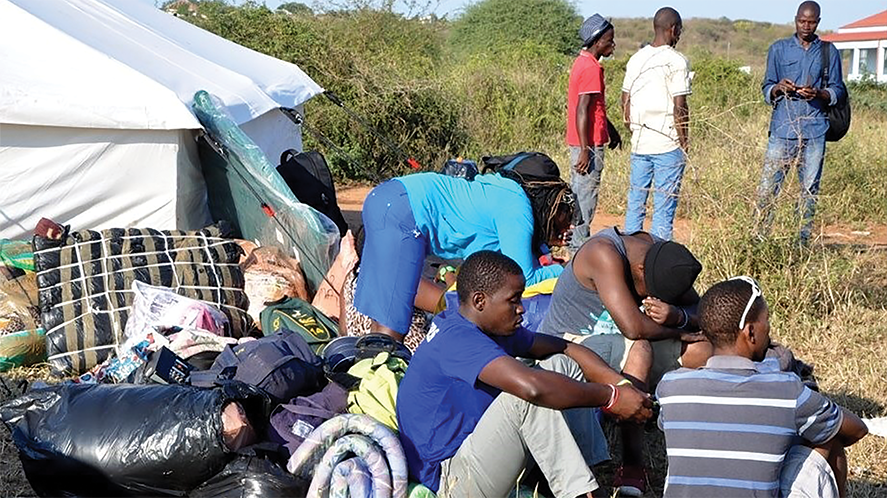
The latest figures, released by Mozambique’s National Migration Service, revealed that 485 Mozambicans were deported in the past 24 hours alone, with another 144 sent back through the Ressano Garcia border post on yesterday morning.
Mozambican authorities said those interviewed claimed they had not been victims of xenophobic attacks but had instead been detained for living in South Africa illegally.
A Mozambican news agency Lusa quoted government spokesman Juca Bata as saying: “After the screening, it was possible to confirm that they are Mozambicans from various parts of the country (…). The screened/interviewed citizens reported that they are not victims of xenophobic attacks, but were rather detained for staying irregularly in the country”.
Last week, the country’s Labour Ministry has dispatched a delegation to South Africa to monitor the treatment and safety of Mozambican workers following reports of growing hostility toward African migrants.
Escalating tensions
The deportations come as South Africa faces mounting scrutiny over renewed anti-immigrant protests in several communities, prompting countries such as Ghana to begin evacuation plans for citizens living in the country while Nigeria raised concerns over alleged assaults and intimidation targeting foreign nationals.
The developments have placed President Cyril Ramaphosa under growing pressure to contain escalating social tensions while defending government’s tougher stance on illegal immigration and border enforcement.
Mounting anti-illegal-immigrant protests, mass deportations and growing diplomatic unease across Africa have now thrust South Africa’s migration crisis back into the spotlight, reopening painful memories of previous xenophobic flare-ups that damaged the country’s standing on the continent and strained relations with fellow African states.
In a strongly worded national statement this week, Ramaphosa condemned violent protests and intimidation targeting foreign nationals, warning that some groups were unlawfully assuming policing powers by stopping people on the streets, demanding identity documents and raiding private property.
“The recent violent protests and criminal acts directed at foreign nationals in parts of our country do not represent the views of South Africa’s people nor reflect our government’s policy,” Ramaphosa said.
But, while rejecting xenophobia, the President also acknowledged that undocumented migration has become a serious national concern with implications for social stability, governance and national security.
Scarce economic opportunities
He said illegal migration was placing severe pressure on healthcare, housing and municipal services, particularly in poor communities already battling unemployment and collapsing infrastructure.
The growing tensions have exposed the difficult balancing act confronting government – to calm fears of xenophobic violence while responding to mounting domestic anger over unemployment, crime, deteriorating public services and perceptions that undocumented migrants are competing with citizens for scarce economic opportunities.
In many communities, frustration has increasingly spilled into street protests and vigilante-style operations targeting suspected undocumented migrants and foreign-owned businesses.
The tensions have already reverberated beyond South Africa’s borders.
Ghana this week announced it was pushing ahead with plans to evacuate approximately 300 of its citizens from South Africa after the protests and reports of intimidation raised safety concerns among migrants living in the country.
According to Africanews, Ghanaian President John Dramani Mahama approved the evacuation process after citizens registered with the Ghana High Commission in Pretoria following official advisories.
Nigeria has also reportedly expressed concern over the latest wave of demonstrations and allegations of assaults against foreign nationals.
Ramaphosa, however, insisted South Africa remains committed to African solidarity and regional cooperation despite the tensions.
“As a country, we must reject attempts to damage our country’s international reputation and to undermine the solidarity that has defined South Africa’s relations with the rest of Africa since the dawn of democracy,” he said.
At the same time, government is intensifying its enforcement campaign against illegal migration.
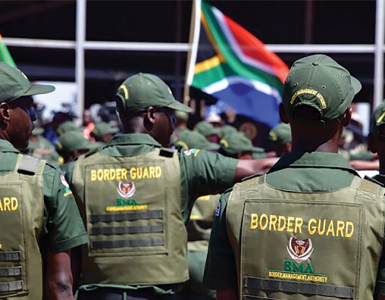
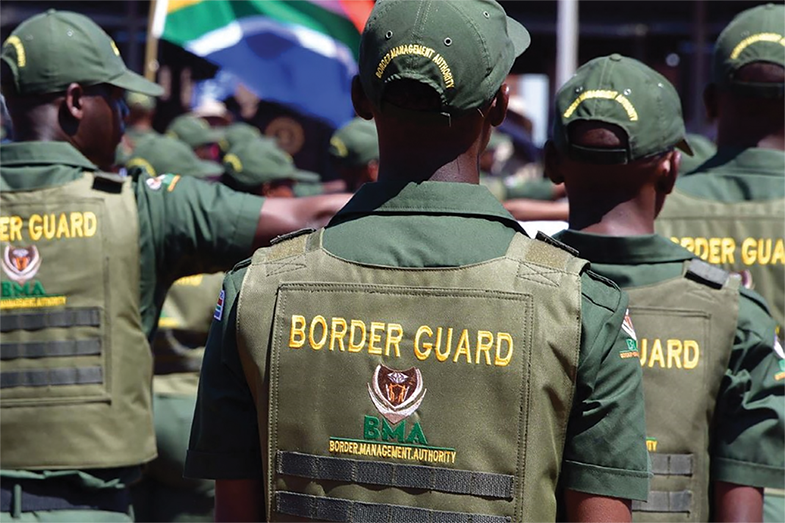
The President revealed that the Border Management Authority and the South African National Defence Force were strengthening border security operations to combat undocumented entry and cross-border crime. Authorities intercepted approximately 450 000 attempted illegal border crossings during the past financial year, according to Ramaphosa. Government is also ramping up workplace inspections against employers accused of exploiting un