 WeeklySA_Admin
CONTROLS: Some of the impoverished aliens have resorted to child trafficking to make a living
By Monk Nkomo
Thousands of impoverished foreign nationals from neighbouring countries, in the harsh search for better life in South Africa, continue to try to illegally cross the border despite the tight controls that have been implemented by the South African and Kenyan governments at the border posts.
Desperate to quickly make as much money as possible, some of the aliens – with an estimated two million Zimbabweans having migrated to South Africa in the last two decades – are being used by unscrupulous child trafficking syndicates in the illegal sex industry. Some of the criminals involved have been arrested and had appeared in separate magistrate courts throughout the country.
South Africa, which is bordered by thousands of impoverished neighbours, also faces insurmountable problems regarding certain corrupt officials within the Department of Home Affairs who are involved in fraudulently selling identity documents and passports to illegal foreigners at prices ranging between R5000 and R10000. Some of these culprits have since been arrested and jailed while others have been suspended or fired.
A 37-year-old Home affairs official from the Upington office in Northern Cape, was arrested about a week ago after being caught red-handed selling fake identity documents. According to the police, she was allegedly processing illegal IDs to undocumented foreign nationals for cash. She is facing charges of corruption.
During the recent crackdown on illegal foreigners, traffic officers intercepted nearly one hundred alleged male Ethiopean aliens crammed in a truck pulling a windowless and closed trailer along Mombasa Road in the coastal city in southeastern Kenya along the Indian Ocean. The group, many of them bare-chested apparently because of the heat, were en route to South Africa. Scores of Ethiopean aliens have been arrested on several occasions by police in Nairobi in the past two years while on their way to South Africa. The arrests followed an agreement between the South African and Kenyan authorities to implement tighter controls at the border posts and to avoid the Kenyan border from being used as springboard by Somalians trying to enter South Africa illegally. South African police also had their hands full during the festive season last month when they arrested nearly three thousand undocumented migrants during the Safe Festive Season Operation Plan Operation, according to National Police Commissioner Fannie Masemola. At least 15 buses were also stopped at the Beitbridge border post for owing traffic fines.
Members of the South African National Defence Force reported that they handed 6605 undocumented persons to the police and the Department of Home Affairs Immigration officials for processing to return to their countries of origin during Operation Corona border control protection duty last month. A total of 3618 of these people were from Mozambique, 2422 from Lesotho and 539 from Zimbabwe. They were all prevented from illegally entering South Africa.
The impact of foreign nationals, especially those from Zimbabwe, have seen rising levels of xenophobia in various townships with several opposition political parties and anti-migrant group, Operation Dudula , launching campaigns to root out illegal Zimbabwe nationals, closing their shops and urging them to return to their country. Local residents have also complained that their presence had resulted in the socio-economic resources of the country coming under severe strain.
Home Affairs Minister, Aaron Motsoaledi, in an effort to reduce the number of foreign Zimbabwe nationals, was stopped by a Full Bench of the Gauteng High Court from deporting nearly 180 000 aliens, mostly with Zimbabwean Exemption Permits (ZEP) in June last year after their permits had expired. The court ordered the Minister to extend their stay until June this year. This followed a successful application by civil rights group, the Helen Suzman Foundation and the Consortium for Refugees and Migrants in SA who argued that the conditions that prompted these people to move to South Africa had not yet improved.
The 178 000 Zimbabwe foreign nationals who were facing deportation when their work permits expired at the end of June last year, had until the end of last month to apply for other visas and waivers to continue working in South Africa. Although most of the Zimbabwe nationals were reluctant to apply for other visas that could allow them to stay for some time in this country, the Zimbabwe government said they were ready to receive them. Information Minister, Monica Mutsvangwa, said the government had approved the establishment of an Inter-Ministerial Committee to prepare for the returning of these nationals.
Motsoaledi has announced that the government was planning to revamp the laws governing citizenship, immigration, refugees and to reduce benefits granted to migrants. This followed concerns that foreign nationals were placing an excessive burden on South African taxpayers.
There has been serious concerns that the presence of illegal Zimbabwean foreigners had strong negative effects on South Africa’s economy, employment opportunities, health, education and housing. The latest report revealed that of the 200 babies born in Gauteng hospitals on Christmas Day, 180 were born to Zimbabwean mothers. This implied that only 20 were born from South African – born mothers.
Sick and tired about the influx of undocumented illegals, the Patrotic Alliance political party, led by their leader, Gayton McKenzie, travelled to the Beitbridge border post last month where they monitored and turned back dozens of aliens who were trying to enter South Africa illegally. Although they were criticised for taking the law into their own hands by the authorities, the party had exposed some of the routes that were being used by these aliens to enter the country illegally.
In other developments :
*On November 3 last year, police in Modjadjiskloof in Mopani district, Limpopo, arrested two suspects – a 28-year-old man for human trafficking, two suspects aged 33 and 47 years for money laundering. A 23-year-old man was arrested for contravention of the Immigration Act. One of the suspects escaped arrest after being found allegedly trafficking 23 Somalian foreign nationals to an unknown destination. A total R415 820 in cash was found stashed underneath the seat of the vehicle they were travelling in.
* Two Zimbabwe nationals, a 48 year-old man and 41 -year-old woman were arrested in Kimberley, Northern Cape on December 6 last year after boarding a bus in Midrand, Gauteng with 14 undocumented children. They were en route to Cape Town.
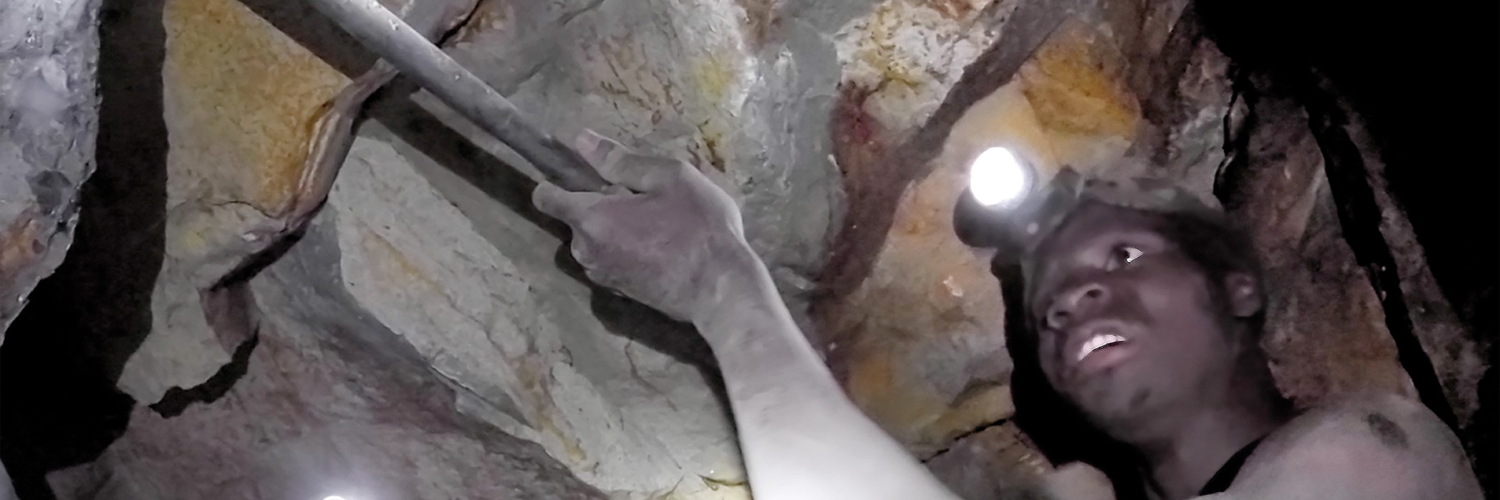
* A total 867 suspected illegal miners were arrested during a police operation in Kleinzee, Northern Cape in September last year. They had allegedly entered the country illegally.
* Eastern Cape provincial spokesperson for the Department of Labour, Ziphozihle Josefu, said 71 alleged illegal immigrants from Zimbabwe, Lesotho and Malawi were detained on local farms and businesses in Paterson, Addo and Kirkwood in September last year. They were detained for non compliance with the country’s immigration laws.
* In Limpopo, 50 undocumented people were arrested during a sting operation by police who had set up roadblocks at the local crime hotspots around Thohoyandou in June last year. Focus was on individuals without proper immigration documents.
*A total 135 undocumented immigrants were arrested in separate incidents in August and September last year in Primrose in Ekurhuleni and in the Midrand Central Business District where five hijacked buildings were also raided. Police also seized counterfeit goods in the streets and shut down several brothels.
The South African authorities have vowed to intensify efforts to curb the illegal influx of illegal foreigners into the country following the recent placing of the Border Management Authority team at the Zimbabwe border post. The government is also in the process of changing and tightening immigration laws.
Residents in various townships around the country had also mobilized to flush out illegal Zimbabweans from their midst. This campaign has gained momentum after several children died in separate incidents last year apparently after they were sold expired foodstuff from certain spaza shops owned by foreigners. Some of these shops have since been forced to close down.
Most residents including certain leaders of opposition political parties in South Africa have called on undocumented Zimbabwean nationals to return to their country as their presence had strong negative effects on the economy in respect of employment opportunities. The health sector was also heavily strained as hospitals and clinics were regularly full to capacity with aliens being the majority of patients at these institutions.
While the ministry of Home Affairs is doing its utmost to resolve the problem of illegal Zimbabweans, those opposed to their stay in the country are waiting to see what would happen when the extension to stay and work here by the 178 000 ZEP holders, expires at the end of June this year.