 WeeklySA_Admin
Crash results: Suzuki, Kia, and Renault said to offer low safety performance in sa whilst achieving higher levels of protection in other global markets
By Ali Mphaki
Henno Havenga the Suzuki Auto SA general manager for sales and marketing is not a cry baby. If anything, this 4×4 junky with his boyish looks and a knack of achieving superb results, can be as tough as his funky Suzuki Jimny 4×4 – his current model of choice.
The Suzuki Jimny is a vehicle he worships for giving him “that holiday feeling even in rush hour traffic”. In his book, cars allow us to broaden our horizons and experience and see new and beautiful things.
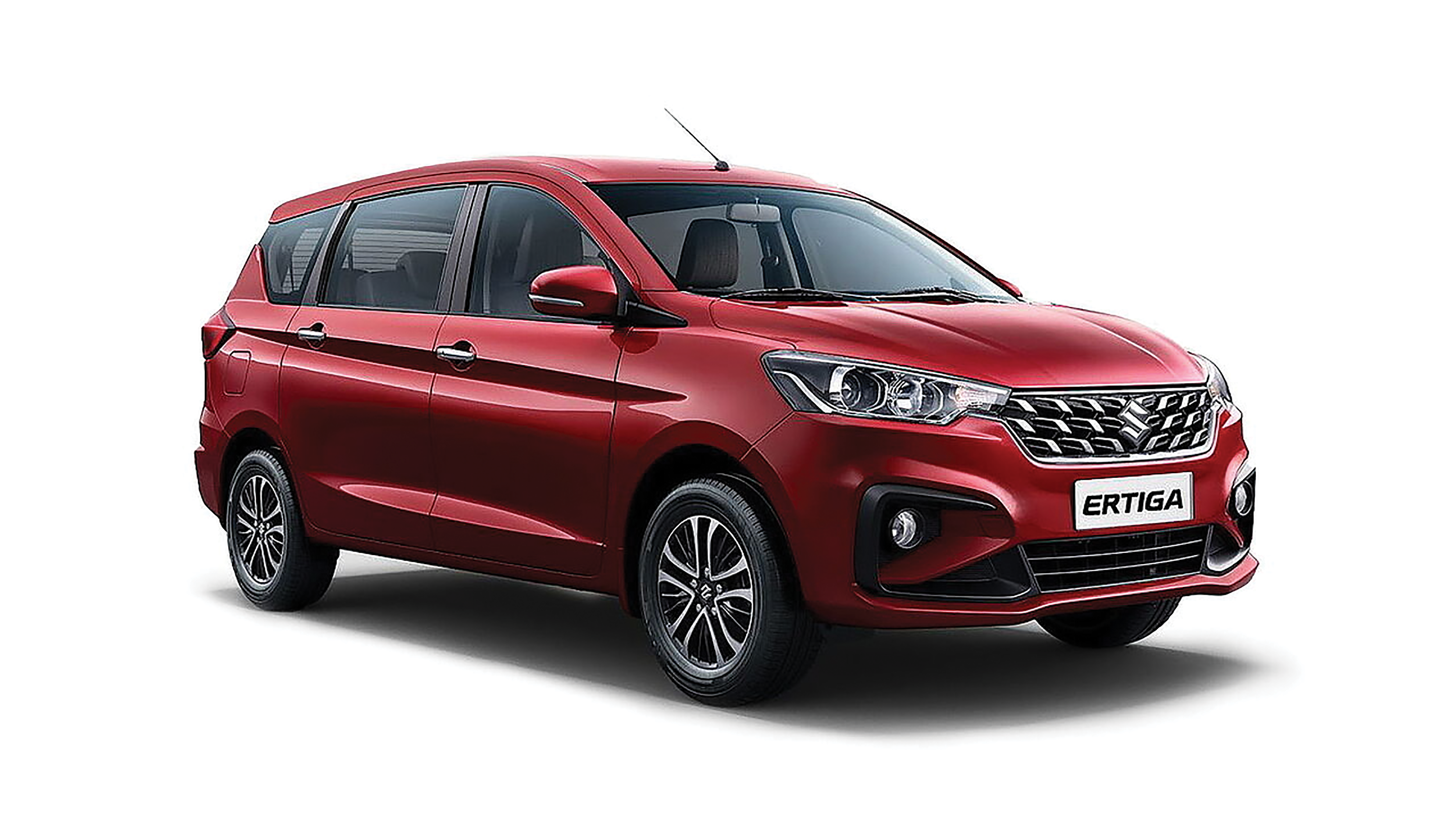
The Jimny’s recognisable model, he says, makes him feel like a “better person”. A lover of the outdoors, Henno as he is called, says he enjoys the journey just as much (if not more) than the destination. A good braai to camping and swimming also tickles his fancy. But nothing could have prepared him for the report from Global NCAP’s new #SaferCarsForAfrica crash results which landed at his desk early this week revealing a disappointing one star for one of Suzuki’s flagship model, the seven-seater Suzuki Ertiga.
Global NCAP’s crash test protocols assess frontal and side impact protection for all models, as well as Electronic Stability Control (ESC). Pedestrian protection and side pole impact protection assessments are required for vehicles scoring the highest star ratings.
The #SaferCarsForAfrica Campaign was launched by Global NCAP in 2017.The #SaferCarsforAfrica project is run in collaboration with the AA of South Africa and receives grant support from Bloomberg Philanthropies and the FIA Foundation.
Global NCAP is a major programme of the Towards Zero Foundation, a UK based charity working internationally in support of the UN Decade of Action for Road Safety, with a goal of halving road deaths and injuries by 2030.
Word is that Henno nearly choked on his coffee when he read that the India made Ertiga’s structure was rated as “borderline unstable”. and its footwell area further rated as unstable with pedal displacement showing injury risks to the lower legs of the driver.
Offered with two frontal airbags as standard, the report found that though the Ertiga does not offer side airbags as an option, side impact protection shows good protection for head, pelvis and abdomen, with adequate protection for the chest.
Perhaps more damning is the report found that passenger pretensioner failed to work properly.
Child occupant protection was poor for the 18 month old dummy. The Child Restraint System (CRS) was installed in the forward facing position, whilst best practice indicates a rearward facing position offers better protection for this age group.
The Ertiga only offers a lap belt in the rear centre position which explains the significant points loss in child occupant protection. The passenger airbag cannot be disconnected if a rearward facing CRS is installed in the front seat.
Suzuki in line with its motto ‘Develop products of superior value by focussing on the customer’ in the first paragraph of its mission statement, is the least enamoured by these findings.
Havenga says:
• The report used information from a 2019 test of older non-SA specification vehicle;
• Report published with factual inconsistencies; and
• AASA did not communicate with Suzuki Auto SA prior to publication of report.
He says by only making reference to the year 2024, the authors of the report perhaps inadvertently – create the impression that all tests were conducted recently.
As alluded to in the Suzuki Auto SA’s brochure, the new Ertiga is punted as boasting a light, continuous frame efficiently absorbs and disperses energy in the event of a collision. Besides greater safety, the HEARTECT frame also contributes to lower fuel consumption and higher driving performance.
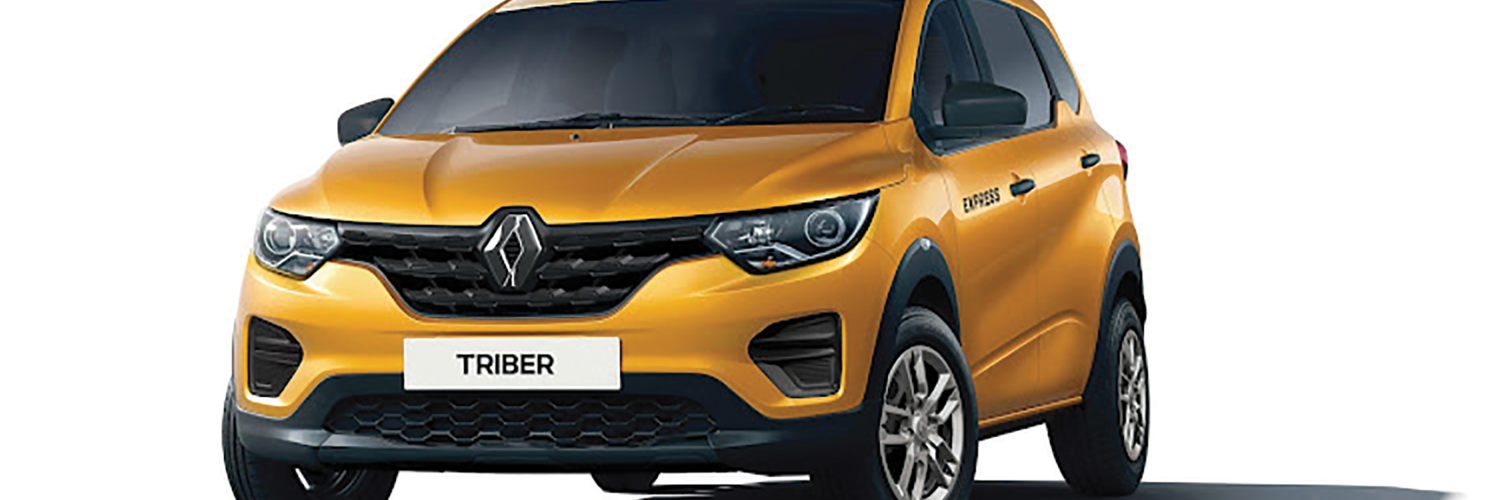
Renault Triber (2 airbags standard) The India made Triber showed good protection for the driver’s and passenger’s head and neck but weak protection for the driver’s chest in both frontal and side impact. There was an unstable performance of the structure. The protection offered to the head, abdomen and pelvis on the side impact was good. The car does not offer side airbags even as an option. ESC is not fitted as standard.
The Triber’s child occupant protection showed a lack of ISOFIX anchorages and a poor performance for the Q3 dummy, exposing the head in the forward crash and poor performance for the neck and chest. The protection of the Q1.5 dummy was good in both tests.
The poor performance of the Q3 dummy, the lack of three point restraints in all seating positions and lack of a passenger airbag disconnection when using a rearward facing CRS in that position, explain the poor score and overall star rating.
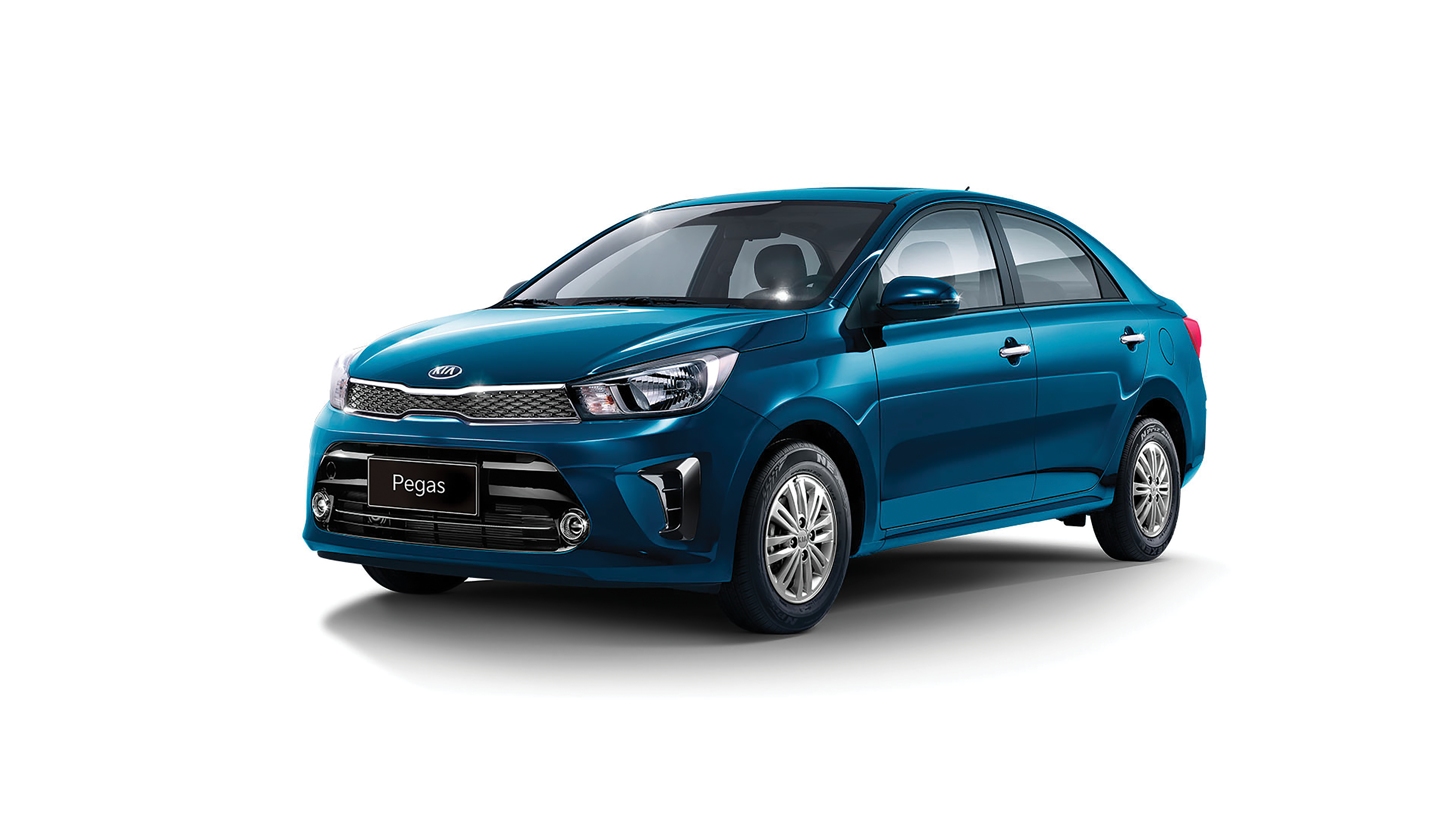
Kia Pegas (2 airbags standard) The Chinese made Kia Pegas offers two frontal airbags as standard. Its structure was rated as unstable. Frontal impact showed good head and neck protection for both occupants, but marginal protection for the chest of both passengers. Side impact protection also showed marginal protection to the chest, adequate protection of the head and abdomen and good protection to the pelvis. ESC is not available as standard, and side airbags are not available even as an option.
Child occupant protection showed four star performance. Both dummies were installed rearward facing using the ISOFIX anchorages and support leg offering full protection in frontal and side impact tests. The car offers three point belts in all seating positions as standard in all versions. ISOFIX anchorages did not meet Global NCAP’s labelling requirements. It is not possible to disconnect the passenger airbag if a rearward facing CRS is installed in the front seat.
Alejandro Furas, Global NCAP Secretary General said, “We are disappointed to see global brands like Renault, Kia and Maruti Suzuki offer such a low safety performance in markets like South Africa whilst achieving much higher levels of protection in many other global markets. Don’t African consumers deserve the same level of safety?”
David Ward, Executive President of the Towards Zero Foundation said, “The double standard on safety in low and middle income economies must come to an end. Manufacturers know how to build safer cars for adult and child occupants as well as for vulnerable road users. Highlighting this disparity and democratising vehicle safety in Africa is a Global NCAP priority.”