 WeeklySA_Admin
Pain: Calls for an immediate ceasefire, release of all hostages and an end to the pain and suffering
By Monk Nkomo
The United Nations must apply the instruments it wields to end apartheid and genocide and affirm the aspirations contained in the Universal Declaration of Human Rights to strive for a world free of barbarous acts that outraged the conscience on mankind.
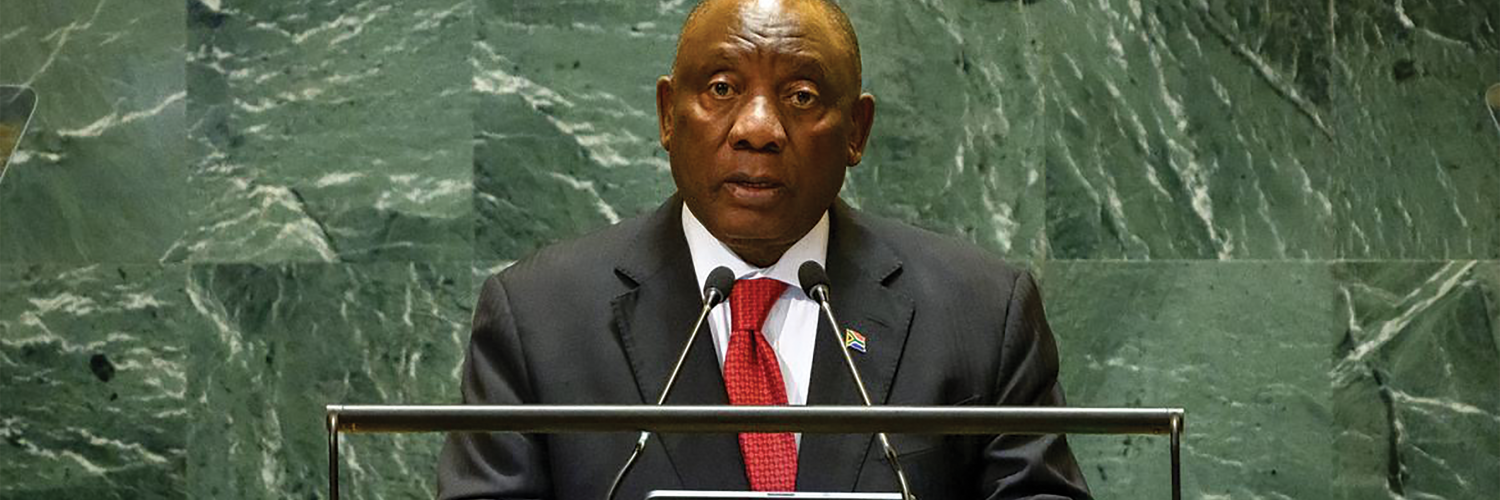
Addressing the 79th Session of the UN General Assembly in New York this week, South Africa’s President, Cyril Ramaphosa – referring to Israel’s continued bombardment of Palestine where more than 40 000 people have been killed in almost the past year – said apartheid and genocide were a stain on the conscience of the world.
‘’ We will not remain silent and watch as apartheid is perpetrated against others.’’
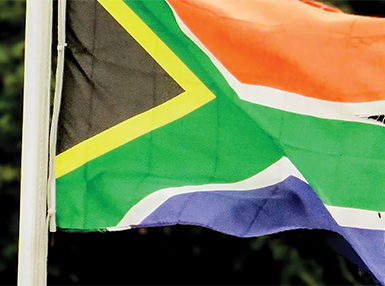
Ramaphosa said thirty years ago, South Africa was born as a new nation – equal, united and free from apartheid. The country adopted a new Constitution as the birth certificate of their new nation. South Africa’s first democratic elections brought the tyranny of apartheid to an end, a system that the UN General Assembly declared to be a crime against humanity. In adopting Resolution 2202 A (XXI) in 1966, the United Nations was a beacon of hope in the country’s quest for justice.
The great wave of solidarity of the peoples of the world led by the United Nations, turned the tide against apartheid, said Ramaphosa. Today democracy flourished in South Africa where there was a progressive Constitution, an entrenched human rights culture and strong institutions. There were also laws to advance equality and programmes to protect society’s most marginalized.
‘’The South African story bear witness to the enduring role of the United Nations in global affairs. In supporting our struggle, the UN affirmed the principles of the UN Charter – fundamental human rights, the dignity and worth of every person and the equal rights of nations large and small. It affirmed the aspiration contained in the Universal Declaration of Human Rights that we should strive for a world free of barbarous acts that outrage the conscience of mankind’’, Ramaphosa said.
He added : ‘’Genocide was declared to be a stain on the conscience of the world. And the world community took a stand against it. Apartheid was declared a crime against humanity and a stain on the conscience of the world. The United Nations took a stand against it. These were crimes against humanity then, and they are crimes against humanity now’’. It has been eleven months since the Hamas attack that killed 1 200 people and where hostages were taken. South Africa condemned this attack. In response, Israel embarked on collective punishment in its assault on Gaza.The torment of the people of Gaza continued unabated.
More than 40 000 Palestinians had been killed. Homes, hospitals and schools lie destroyed. Famine and disease stalked the streets.
‘’This cannot but shock our collective humanity. The violence the Palestinian people are being subjected to is a grim continuation of more than half a century of apartheid. We South Africans know what apartheid looks like. We lived through it. We suffered and died under it. We will not remain silent and watch as apartheid is perpetrated against others. Through the United Nations and the instruments it wields, we must end this suffering’’.
Ramaphosa said they had been called to uphold the principles of the UN Charter and to uphold – consistently and in their entirety – the fundamental tenets of international law which could not be applied selectively. No one State was more equal than any other.
In December last year, South Africa approached the International Court of Justice seeking an order to prevent Israel from committing genocide against the people of Gaza. They did so in terms of their obligations as a State Party to the Convention on the Prevention and Punishment of the Crime of Genocide. South Africa welcomed the support that a number of countries had given to the case that they launched at the ICJ.
Turning to progress in his country, Ramaphosa said the Government of National Unity continued to transform the economy so that it was more competitive, created more jobs, attracted more investment and benefitted all. South Africa was also party to global treaties on human rights, gender equality, child rights, refugee protection and environmental protection.
South Africa’s political culture had evolved and matured. The country had just held its seventh free and fair general election since democracy, paving the way for the formation of a Government of National Unity. Ten political parties had coalesced around a common agenda for economic growth, job creation, poverty eradication and sustainable development.
‘’We are in a new era, one of great promise. In what some have called our second miracle, South Africans of all races have rallied behind the Government of National Unity. We are making headway in resolving some of our most pressing challenges. Our economy has begun to improve and investor confidence is on the rise. Our country’s prospects look bright, and we look to the future with hope. The South African story bears witness to the enduring role of the United Nations in global affairs’’.
The violence the Palestinian people were being subjected to was a grim continuation of more than half a century of apartheid. South Africans know what apartheid looked like.
Ramaphosa reiterated South Africa’s call for an immediate ceasefire and for the release of all hostages. The only lasting solution was the establishment of a Palestinian State, existing side by side with Israel with East Jerusalem as its capital.
South Africa’s moral conscience further demanded that they also exert every effort to bring peace to the Democratic Republic of Congo, to Sudan, to Yemen, to Ukraine and to the troubled Sahel region.
‘’We must realise the aspirations of the people of Western Sahara to self-determination. Like veins that carry sustenance to every part of the body, solidarity is the lifeblood of human progress. It binds us together to nourish the greater good. It is achieving the greater good, for the common good to which we all strive. Through dialogue, through respect for the rule of law, through the advancement of human rights, through cooperation and solidarity, we can – and we will – achieve a better world’’.