 WeeklySA_Admin
HARD TIMES:Better job prospects in Jozi expected to lure hundreds of KZN workers rendered unemployed by protests
By Ali Mphaki
All roads lead to Gauteng as scores of stranded job seekers in KwaZulu Natal are expected to head for the “city of gold” for already scarce jobs – in the wake of last week’s rampant looting and damaging of businesses in their province.
The unrest has dealt a severe blow to investor confidence in the province, with a report from Deloitte (compiled prior the protests) already having warned that 28% of businesses had planned to move some of their operations from the port city of Durban to elsewhere, and 25% of a survey having indicated they wanted out from the province.
Business want Durban and the KZN authority to show clear plans how they will restore stability going forwards. The Deloitte report, which pointed several positive attributes that presented a positive outlook for the province, had however raised concerns about the negative political environment and reports of poor municipal financial management in the province.
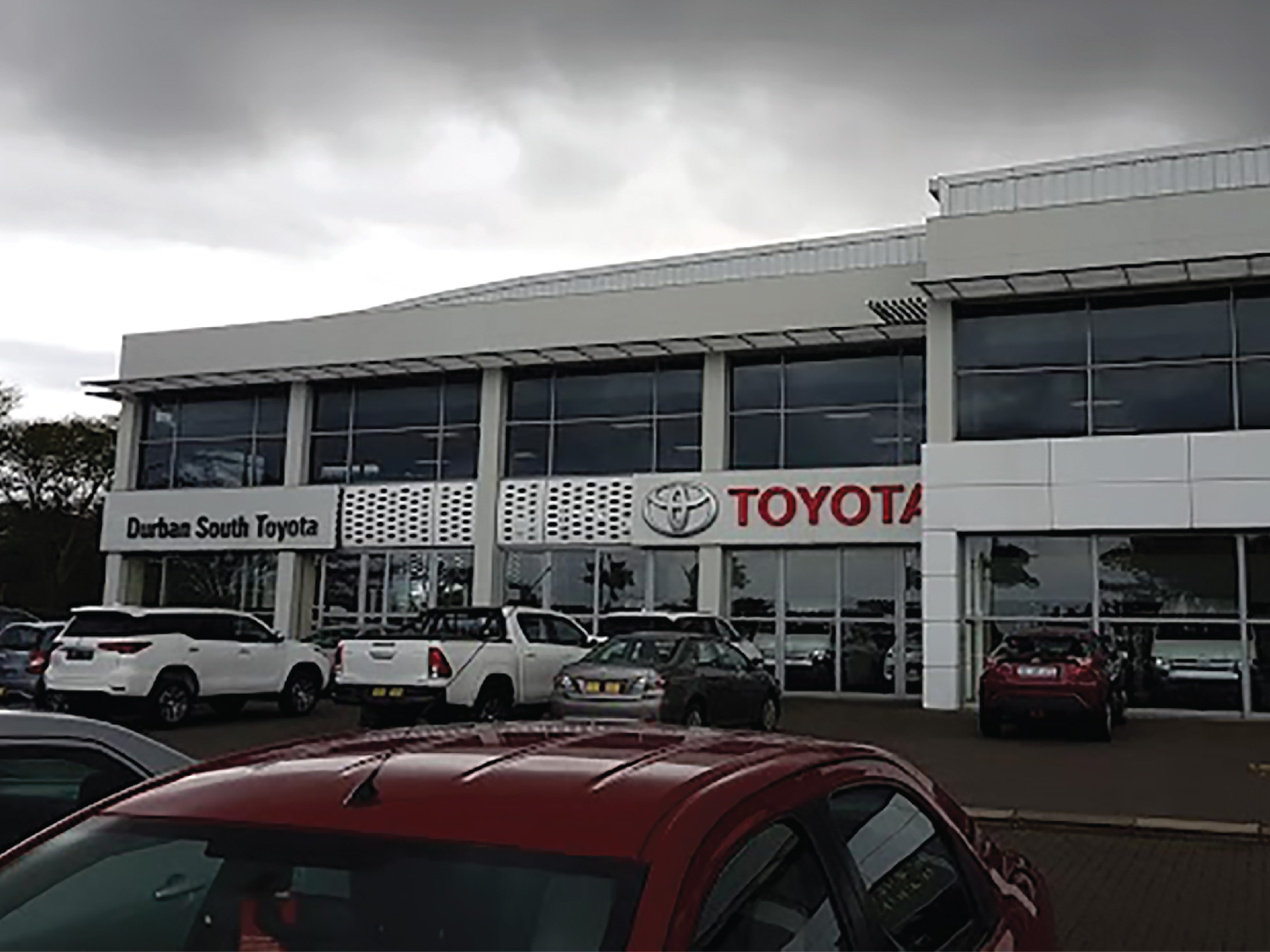
Huge conglomerates like Toyota, which employs about 7 200 people in their Durban plant, say they have been left feeling “very uncertain” about the future of their business in KZN, with the recent unrest negatively impacting on their manufacturing operations as well as key exports.
The company had to shut down their operations last Monday, but work has since resumed.
The desperate situation, analysts warn, may see a huge exodus of desperate people from the province to Jozi – in search of a better employment prospects.
Matthews Ndlovu, the KwaZulu-Natal secretary general of the South African Catering Commercial and Allied Workers, Saccawu, said though no official figure was available estimates put the number of workers affected by the mayhem to be as high as 30 000, which could translate to 150 000 dependents being without breadwinners.
He said they could not overrule the possibility of a huge migration to Gauteng, and that they been in talks with the various retail giants in the province and were hopeful that they wiould not disinvest in the province.
“We living in hope,” he said. One of the businesses badly affected was tyre manufacture Bridgestone, whose warehouse at Cator Ridge was looted and vandalized, resulting in close to 1 500 workers left stranded.
The situation is unlikely to change anytime soon it is going to be twice as difficult for the destroyed businesses to be up and running again to full capacity.
As one of the worst-performing provinces, in terms of unemployment and prior to the events of last week, KwaZulu-Natal had shed more than 33 000 jobs quarter on quarter during the first quarter of 2021, according to the Quarterly Labour Force Survey, which was released by Statistics South Africa on Tuesday.
The survey also ranked the province as the second worst-performing province for unemployment in the country.
Year on year, there’s been a 3.6% increase in unemployment in the province, which has been aggravated by the widespread lootings and destruction of property.
KwaZulu-Natal’s MEC for finance Nomusa Dube-Ncube while bemoaning the deadly effects of the coronavirus pandemic had hoped the economic growth in the province this year will “moderate” to 1.5% having contracted by at least 9.1% last year.
The provincial GDP growth rate fell by a ‘devastating’ 51.6% last year, she said.
Stats SA estimates that of a net immigration of 1, 012 million people between 2016 and 2021, about 47.6% settle in Gauteng.
Gauteng also attracts international immigrants as well as domestic migrants from rural provinces such as Limpopo, and Eastern Cape.
The SABC early this week also reported a number of people from neighbouring eSwatini illegally crossing the border into South Africa, as a result of the riots which took place in that tiny kingdom three weeks ago.
The “pull” factors that attract migrants to Gauteng is mainly its economic strength, the StatsSA report states.
With unemployment rate in South Africa reaching a record high of 32.6 percent in the first quarter of 2021 from 32.5 percent in the final quarter, analysts say the looting of businesses has only exarcebated the country’s labour market woes.
Gauteng, as South Africa’s economic hub, on average received about 500 new migrants every week from all over the continent, according to Premier David Makhura.
Small Business Development Institute executive director Xolani Qubeka discouraged people from leaving KZN and advised that a long-term solution was for people to seek self-employment opportunities and approach existing agencies. “These events take place under strenuous pandemic conditions that have untold harm to jobs generally. And Gauteng is under severe strain of unemploymentand therefore this can’t be the solution.”
Black Business Council president Sandile Zungu said he would be suprised if migration happened “on a massive scale”.
“In earnest, the rebuilding of the KZN economic infrastructure and other structures damaged during the looting frenzy has commenced. Jobs will be created and the businesses that were disrupted will be back in operation soon. The coastal lifestyle will dissuade people from relocating from Durban to Johannesburg.