 WeeklySA_Admin
FLASHBACK: A highly anticipated fight featuring two of the most fearsome boxers of the 1990s would ultimately turn out a blood-curdling test of indomitability of human spirit, prompting the question: could a sport built on controlled violence ever be truly safe?
By Mokone Molete
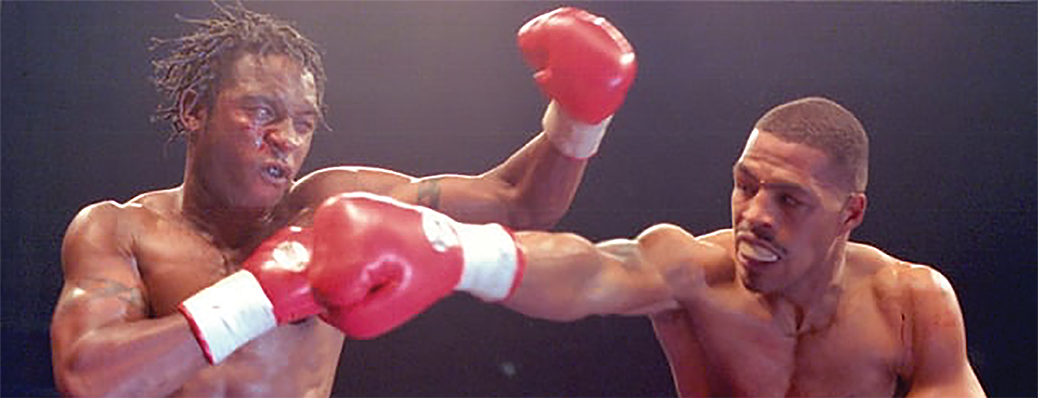
On a cold February night in 1995, the London Arena became a cauldron of noise and anticipation. Two men stepped through the ropes, each carrying the weight of pride, expectation, and a hunger that only fighters truly know.
One was Britain’s Dark Destroyer, Nigel Benn — ferocious, fearless, and adored by his country. The other was America’s G-Man, Gerald McClellan — smooth, lethal, and devastatingly powerful.
Few could have known that by the end of that night, both men’s lives would be changed forever.
From the opening bell, it was violence distilled into art — Benn knocked out of the ring in the first round, McClellan merciless in his pursuit.
Yet somehow, Benn clawed his way back, fighting as though survival itself depended on it. The crowd roared as the two men traded punches that could end careers. It was everything boxing promised: courage, willpower, defiance — the indomitable human spirit on display.
But in the tenth round, when McClellan suddenly knelt without being hit, the crowd’s cheers turned to confusion, then silence. Moments later, he collapsed in his corner. He would never see again.
Nigel Benn was declared the winner, but victory meant nothing. The man across from him — the man he had fought to conquer — was now fighting for his life. McClellan survived, but at a devastating cost: blind, partially deaf, and dependent on full-time care.
For Benn, the triumph that once defined him became the ghost that followed him. He later said, “Part of me died that night.” The fighter who had entered the ring with fury left it with a kind of sorrow that only the conscience can inflict.
His later years were marked by depression, guilt, and eventually spiritual awakening. The man once known for destruction became a preacher of peace.
The aftermath of that fight forced boxing to look at itself in the mirror. Critics called it barbaric; supporters called it tragic but noble.
The British Boxing Board of Control was condemned for its slow medical response, leading to sweeping reforms: quicker intervention, better ringside care and new safety standards.
Yet, the moral question lingered. Can a sport built on controlled violence ever be truly safe? Or is the danger — the possibility of death or irreversible damage — the very essence of what makes it compelling?
Years later, Benn visited McClellan. There were no punches, no cameras — just two men bound by an event that neither could escape. McClellan, through his sister Lisa’s care and resilience, has continued to live with dignity. Benn, haunted but redeemed, often speaks of that night as his turning point — the moment when pride gave way to compassion.
The Benn–McClellan fight stands as both triumph and tragedy: a night that showcased humanity’s highest bravery and its deepest cost. It remains a reminder that behind every roar of the crowd lies a fragile truth — that in chasing glory, we sometimes cross paths with ruin.