 WeeklySA_Admin
Expose: Millions of women have been exposed to products that could increase the risk of dementia, cancer and infertility…
By Monk Nkomo
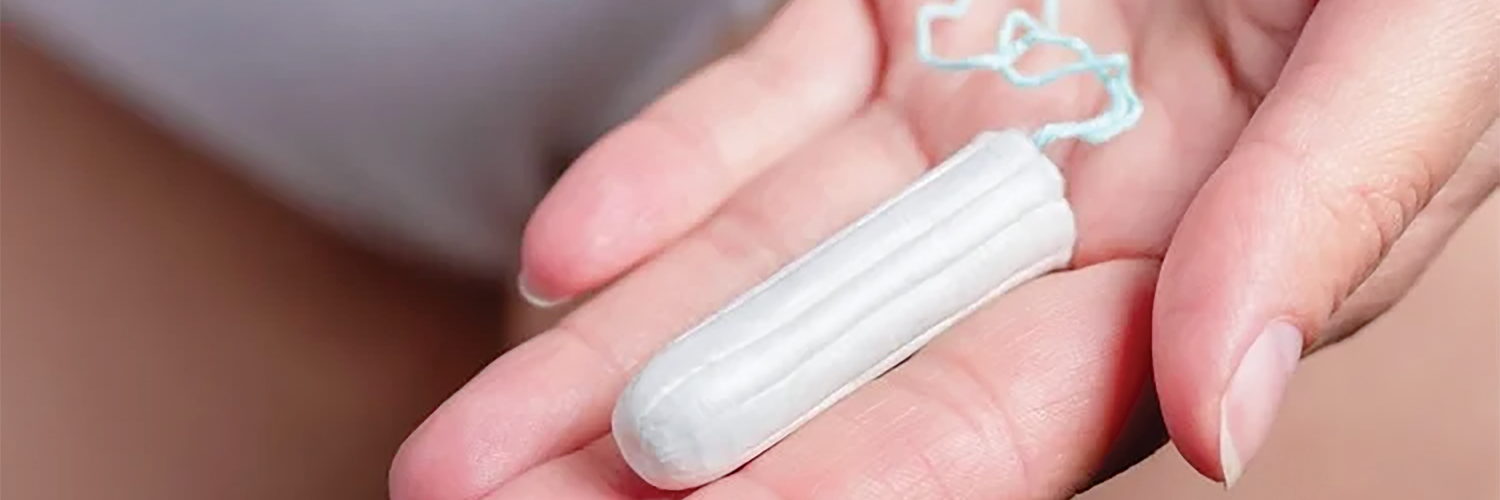
The shocking results of a recent study which revealed that millions of women in the United States of America and Europe had, for years, been exposed to a cocktail of tampon products that allegedly contained lead and arsenic, have led to protests and petitions that have garnered nearly 50 000 signatures so far.
The study, led by author, Jenni Shearston, a postdoctoral scholar at the UC Berkeley School of Public Health and published in the scientific journal, Environment International, found that tampons from several brands that potentially millions of people used each month allegedly contained toxic metals like lead, arsenic and cadmium.
Shearston also led a team of scientists from Columbia University and Michigan State University who were involved in examining 30 tampons from 14 brands and 18 products lines which they did not name in the study.
The alarming results have now led to protests from thousands of people with at least 44 883 people having signed petitions so far this week gravely concerned about the menstrual hygiene products that were used by millions of women in the USA and Europe.
The petition is driven by Eko, a community of people around the world who are committed to curbing the growing power of corporations. They also seek to buy from, work for and invest in companies that respected the environment, treated their workers well and respected democracy. They are not afraid to stand up to these companies when they did not adhere to these principles.
The petition lashed at leading companies of these tampon brands including Tampax and Kotex and urged them to remove toxic metals from their tampons. In at least one sample, the scientists found 16 different metals.
‘’ It means pharmaceutical companies have been exposing millions of women to a cocktail of harmful substances known to increase the risk of dementia, infertility, diabetes and cancer for years. The data is horrifying – every single tampon tested was found to contain lead, which has no safe level of exposure, according to the World Health Organization,’’ the petition read.
Because of a woeful lack of research, it was unclear whether tampons actually leached their toxins when in use. According to the petition, researchers had raised serious concerns , given that vaginal tissue was highly absorptive, meaning that the metals may be able to enter the bloodstream directly.
‘’ Potentially, millions of people use these brands every month. The manufacturers should be leaping to attention to test their products, add warning labels and act to make sure they are safe. But they have got a long history of neglecting issues that mainly affect women and they wont act unless they feel the heat.’’
According to the study, tampons were of particular concern as a potential source of exposure to chemicals, including metals, because the skin of the vagina had a higher potential for chemical absorption than skin elsewhere on the body. In addition, the products were used by a large percentage of the population on a monthly basis—50–80% of those who menstruate used tampons—for several hours at a time.
“Despite this large potential for public health concern, very little research has been done to measure chemicals in tampons,” said Shearston. “To our knowledge, this is the first paper to measure metals in tampons. Concerningly, we found concentrations of all metals we tested for, including toxic metals like arsenic and lead.”
Metals had been found to increase the risk of dementia, infertility, diabetes, and cancer. They can damage the liver, kidneys, and brain, as well as the cardiovascular, nervous and endocrine systems. In addition, metals can harm maternal health and fetal development.
“Although toxic metals are ubiquitous and we are exposed to low levels at any given time, our study clearly shows that metals are also present in menstrual products, and that women might be at higher risk for exposure using these products,” said study co-author Kathrin Schilling, assistant professor at Columbia University Mailman School of Public Health.
Researchers evaluated levels of 16 metals (arsenic, barium, calcium, cadmium, cobalt, chromium, copper, iron, manganese, mercury, nickel, lead, selenium, strontium, vanadium, and zinc) in 30 tampons from 14 different brands. The metal concentrations varied by where the tampons were purchased (US vs. EU/UK), organic vs. non-organic and store vs. name-brand.
However, they found that metals were present in all types of tampons; no category had consistently lower concentrations of all or most metals. Lead concentrations were higher in non-organic tampons but arsenic was higher in organic tampons.
Metals could make their way into tampons in a number of ways: The cotton material could have absorbed the metals from water, air, soil, through a nearby contaminant (for example, if a cotton field was near a lead smelter), or some might be added intentionally during manufacturing as part of a pigment, whitener, antibacterial agent, or some other process in the factory producing the products.
“I really hope that manufacturers are required to test their products for metals, especially for toxic metals. It would be exciting to see the public call for this or to ask for better labelling on tampons and other menstrual products,” said Shearston.
For the moment, it was unclear if the metals detected by this study were contributing to any negative health effects. Future research would test how much of these metals can leach out of the tampons and be absorbed by the body as well as measuring the presence of other chemicals in tampons.