 WeeklySA_Admin
COMMEMORATION: Anniversary gathering to review the problems and prospects of the post-colonial South African state after the end of apartheid…
By WSAM Reporter
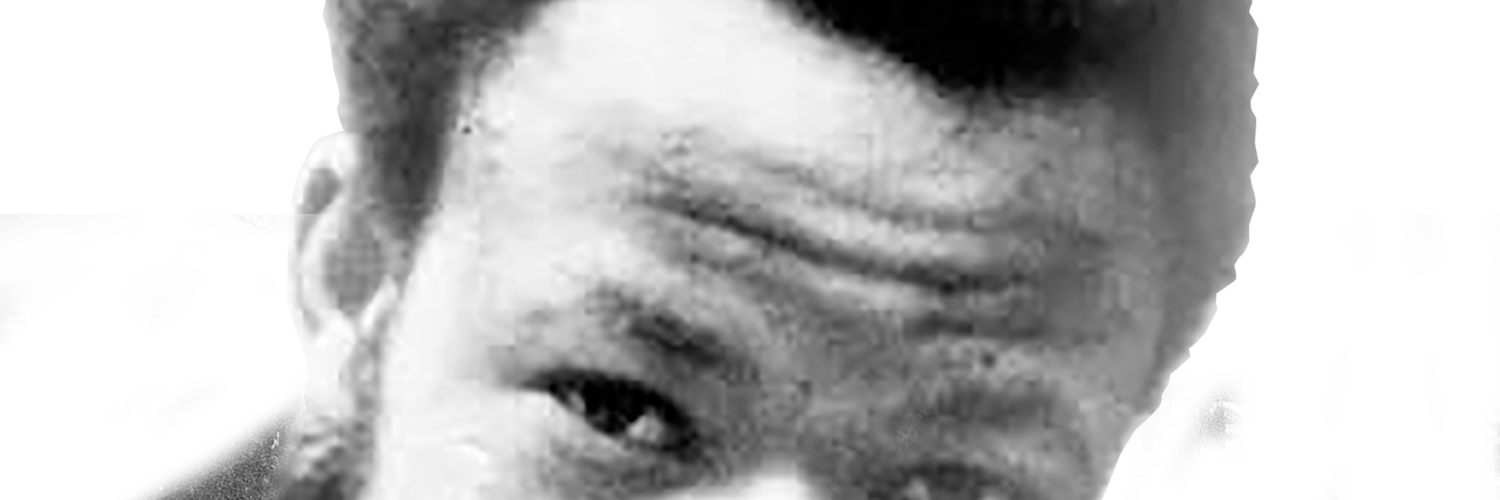
The 9th Tsietsi Donald Mashinini memorial lecture will be held at the Morris Isaacson High School in Soweto on June 16 – to coincide the 48th anniversary of the upheavals which the student leader spearheaded in 1976.
The lecture, taking place at Mashinini’s alma mater, also takes place 30 years since apartheid was overthrown in 1994 and replaced with a new dispensation, the new non-racial democratic order.
Mashinini fled South Africa in 1976 amid the biggest manhunt dragnet launched by the apartheid system. He left for Botswana in August 1976, living there for a few months before he proceeded to the West Coast of Africa. Heads of states, notably Sekou Toure of Ivory Coast, and African parliamentarians received him. He resided in countries like Nigeria where he was briefly hosted in the presidential guest house in Lagos. While in exile Mashinini was interviewed by many media organisations and he addressed students at universities, revealing the realities of the South African political situation.
Mashinini finally settled in Liberia, where he married Welma Campbell, the daughter of a parliamentarian, in 1978. The marriage was blessed with two daughters, Nomkhitha (named after his mother) and Thembi. However the marriage ended after a few years.
Mashinini later visited the United Kingdom and the United States, where he addressed the United Nations on the brutalities of the apartheid regime. Mashinini did not join any of the established liberation movements in exile. He died in the summer of 1990 in Conakry, Guinea, and was later buried in Avalon Cemetery in Soweto.
Co-organiser Omry M Makgoale said: “We are holding the 9th Tsietsi Mashinini memorial lecture in memory of the student leader Tsietsi Mashinini, who led the students’ uprisings in June 1976 against the introduction of Afrikaans as a medium of instruction in black African secondary schools”.
The theme of the lecture this year is “Problems and Prospects of the Post-colonial South African state”. It will also focus on immigration and citizenship in the post-colonial South African state
Tsietsi Mashinini memorial lecture 2024 focuses on reviewing the problems and prospects of the post-colonial South African state after the end of apartheid.
The first lecture will be delivered by Anele Mda, an inspirational public speaker, transformation coach, conference facilitator and debate moderator as well as political activist, recognised as one of the young leaders of this generation by the former US president Barack Obama.
The second lecture is on citizenship and immigration in the post-colonial South African state, and will be delivered by Dr Wiseman Magasela, a graduate of St Antony’s College, University of Oxford in the UK. Magasela is a former senior policy adviser to the government of South Africa and served as a deputy director general of research and development. He is presently the executive director of Clermont Analytics, a research, policy development and advisory firm.
It is hoped the two speakers will offer solutions to the current problems that besiege South Africa, just as Mashinini provided courageous leadership to his generation in 1976. It is a public lecture, starting at 13H30.
RESEARCH TO SHED LIGHT TO MBUYISA MAKHUBU’S MYSTERY SAGA
SPOTLIGHT: Researchers to present findings on their investigation into his disappearance following his hounding by apartheid security police for helping fatally injured 13-year-old pupil Hector Peterson during the historic students’ march…
By WSAM Reporter
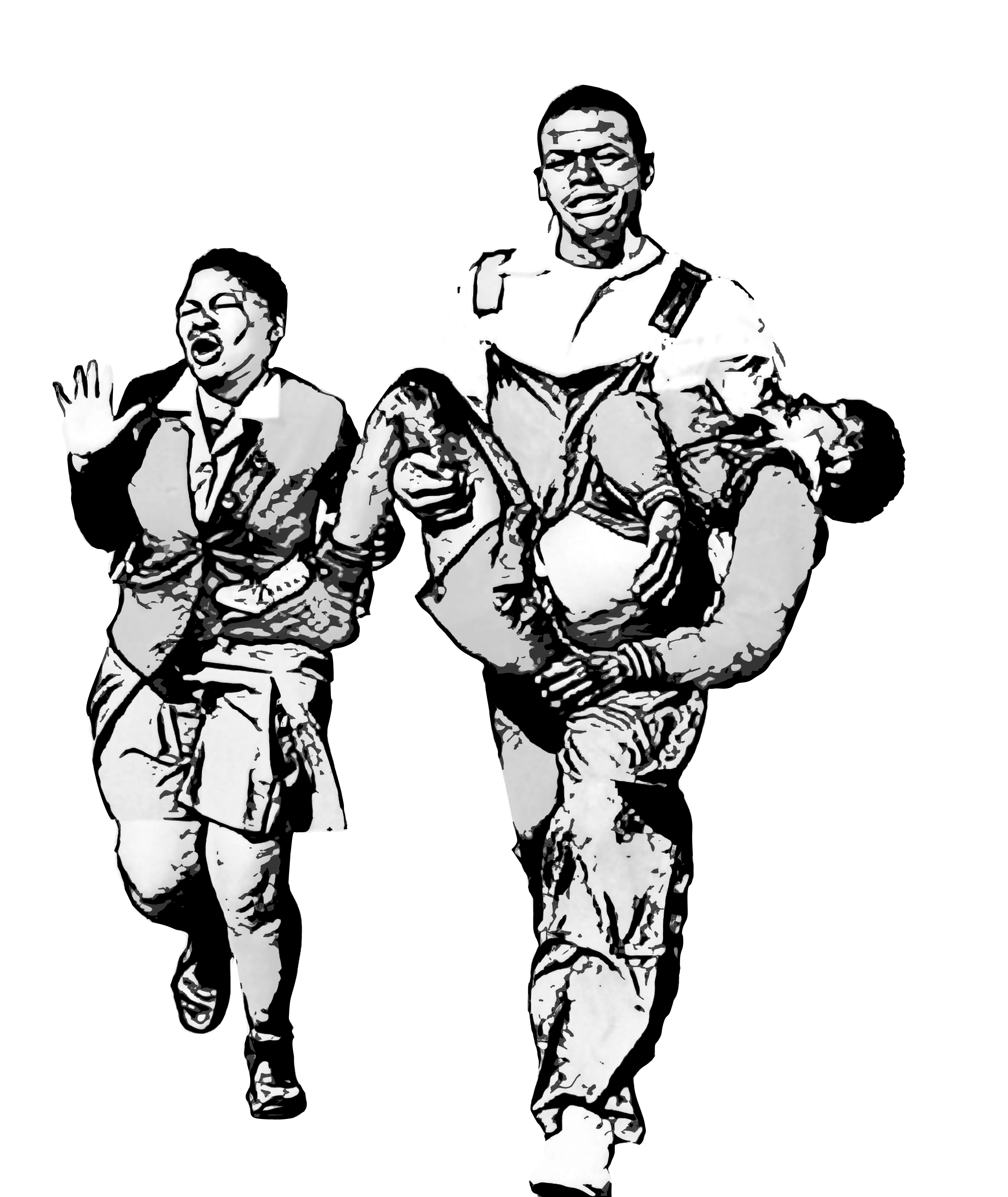
The City of Joburg researchers will share the outcome of their research project into Mbuyisa Makhubu’s last footsteps while in exile in Nigeria in 1979 – three years after fleeing South Africa in the wake of a massive police manhunt.
The project to unravel the lingering mystery about Makhubu’s fate is an initiative of Soweto’s landmark Hector Pieterson Museum – named after one of the first victims to be killed by police during the students’ march in Orlando West – to piece together an enduring story that does not have an end.
To this end, an art exhibition in honour of Makhub will feature new and already public information gathered so far about him as well as his personal accessories for the first time, during the meeting at the Hector Pieterson Museum on June 16. The exhibition is timed to coincide with the commemoration of the 48th anniversary of the Soweto student uprisings.
Back on that fateful day, Makhubu had gotten caught up in the events around the Soweto students’ march against the imposition forcing black schools to replace English as a medium of instruction with Afrikaans mid-year. He unwittingly became the most wanted man by apartheid’s notorious apartheid security police target at the time for carrying a fatally wounded 13-year-old pupil Hector Petersen to look for help. Consequently, he escaped to neighbouring Botswana after his Orlando West home after numerous police raids. He stayed in Botswana for two years before moving on to Nigeria, where disappeared mysteriously in 1979.
The last time the family heard from Makhubu was in 1978 when he wrote to say that he and his three other comrades would be leaving Nigeria, where the four had been stationed in a college for over two years and would be “moving along”.
Many believe the foursome headed to Russia or rather had designs to, until something that no one has yet deciphered, happened. The family is in possession of the last letter he wrote from Nigeria. The research presentation will provide the public access to some of his personal effects at the Hector Pieterson Museum next Sunday.
Makhubu’s unsolved saga has prolonged his family’s anguish over lack of closure to their son’s fate for more than 40 decades. It is a need for grieving families all around the world, and this is the ceremonial spiritual famishment which COJ attempts to address.
According to his sister Nontsikelelo Makhubu, she had to devise a plan to hide him in a coal box and had prayed fervently for his one last night at the family home. He miraculously made it. Sadly, not only had his brother lost weight, but had also lost his sense of humour merely in two weeks. She will address the gathering on Sunday.
The Hector Pieterson Museum is located in Orlando West, Soweto, about two blocks away from where Pieterson was shot and killed by a security policeman on June 16 1976. The museum is named in his honour and covers the events of the 1976 student upheavals. The museum features films, newspapers, personal accounts and photographs, the most famous being the iconic photo by Sam Nzima. It opened on June 16 2002.