 WeeklySA_Admin
DISGRACE:Humanitarian initiative to save lives in wake of dreaded virus descended into wanton sex orgy and exploitation of local women
By Monk Nkomo
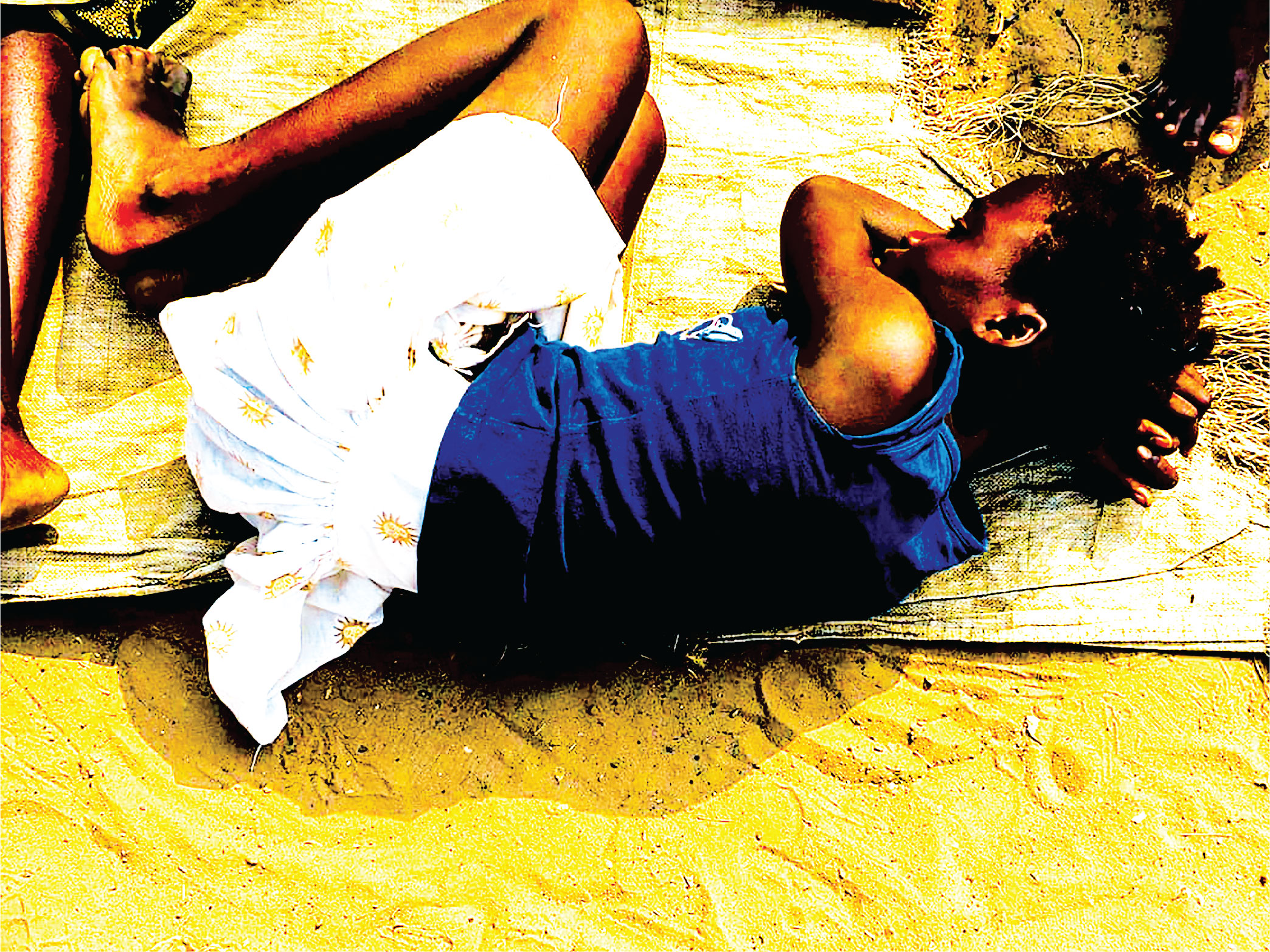
SCORES of poor and unemployed women were allegedly raped and impregnated while others consented – under duress – to a shocking sex-for-jobs scandal which allegedly involved some World Health Organization employees in the Democratic Republic of Congo
The incidents happened during the deadly Ebola virus outbreak between 2018 and 2020 which affected and put 26 million Congo inhabitants to situation of near starvation.
Some of the victims of the sex scandal were allegedly coerced into having abortions by their abusers when they became pregnant and even offered drugs or injections to terminate their pregnancy.
Six of the victims claimed that they suffered miscarriages after having been forced to have sex with some of the WHO employees. In some cases, the alleged perpetrators refused to use condoms. A total nine cases of rape were also reported. Eighty-four cases of sexual abuse were reported in several areas including Mangina, Beni and Butembo. At least 21 suspects were positively identified as the alleged perpetrators and were WHO employees. The suspects were Congolese and foreigners and included medical practitioners.
Several senior WHO staff members who were stationed in the affected areas allegedly turned a blind eye to complaints by some of the victims about sexual exploitation and abuse.
The shocking details are contained in a independent commission of inquiry report released last week by a committee appointed in October 2019 by WHO Director-General, Tedros Adhanom Ghebreyesus.The commission was co-chaired by Aichatou Mindaoudou, former Minister of Foreign Affairs and Social Development of Niger and Julienne Lusenge, an internationally recognized human rights activist and advocate for survivors of sexual violence in conflict from the DRC.
The commission probed allegations that were exposed by the media about alleged acts of sexual exploitation and abuse allegedly by WHO staff members who were assigned to protect the community from the deadly virus which ravaged parts of the DRC in 2018. A total 2299 people died during the outbreak, and 1162 survived the outbreak.
The Ministry of Health of the DRC on August 1, 2018 declared the 10th Ebola outbreak in Mangina, a small town 28km north of the city of Beni in eastern DRC. In a few weeks the virus spread to the towns of Beni and Butembo in the province of north Kivu as well as to certain territories in the province of Ituri. WHO then declared the epidemic a public health emergency of international concern and intervened to help the affected communities. During that period 3481 people were infected with the haemorrhagic fever and 2299 people perished. The outbreak was only declared over on June 25, 2020.
It was during this time that a number of WHO employees allegedly went on the rampage and engaged in a widespread spree of sex for jobs scandal in the affected areas where unsuspecting and unemployed women were sexually abused.
In its investigations, the commission established that the majority of the alleged victims were lured by the suspects, including WHO employees who promised them jobs in exchange for sex. Some of the victims testified that they never got the promised jobs despite having consented to sex. For those who were hired, the employment was often short term. These acts of sexual exploitation allegedly took place in the hotels or houses rented by the alleged perpetrators.
The commission received testimonies from 63 women and 12 men ranging in age from 13 to 43 years. A total 25 cases of sexual exploitation and abuse were reported in Mangina, 25 in Beni, 20 in Butembo, 4 in Bunia, 3 in Komanda, 3 in Mambasa, one in Biakato, one in Oicha, one in Katwa and one in Kalunguta.
In the course of its investigations, the review team was able to establish:
• that the alleged victims were promised jobs in exchange for relationships or were sexually exploited in order to keep a job.
• the majority of the alleged victims from whom testimonies were received were in a very precarious economic and social situation.’
• the identities of dozens of potential victims of sexual exploitation and abuse and
• the identities of 21 alleged perpetrators who were employed by WHO at the time of the incidents.
• the majority of the suspects were Congolese nationals who took advantage of their apparent authority to obtain sexual favours. Eight of the alleged suspects were interviewed and six of them denied any involvement in the alleged criminal acts. They included Mr. Alpha, Mr. Gamma, Mr. Epsilon, Mr. Jupiter, Mr. Mars and Mr. Beta. Mr Romeo and Mr. Neptune told investigators that their relationship with the alleged victims had been consensual.
One of the victims, Nadira, not her real name, said she worked at Beni as an archivist and later with the logistics commission. She told the commission the following : ‘’ I didn’t notice that ‘poking’ meant having sex until February 2019 , when I wanted to complain about my salary not being paid. To get ahead in the job, you had to have sex. Everyone had sex in exchange for something .
It was very common . I was even offered sex if I wanted to get a basin of water to wash myself in the base camp where we were staying during the retaliation’’.
In his response to the findings of the commission, Ghebreyesus said this was a dark day for the organization as he struggled to find words to describe his feelings when he first read the commission’s report. ‘’ But by shining a light on the failures of individuals and the organization, we hope that the victims feel that their voices have been heard and acted on. We want the perpetrators to know there will be severe consequences for their actions’’.
He described the findings of the committee as ‘’ a sickening betrayal of the people we serve. But it is also a betrayal of our colleagues who put themselves in harms way to serve others, including those who paid the ultimate price, killed by armed groups in north Kivu, while working to protect the health of vulnerable communities from Ebola’’.
‘’ In my view, the failure of WHO employees to respond adequately to reports of sexual exploitation and abuse is as bad as the events themselves.’’
He added that they had already terminated the contracts of four of the people identified as some of the perpetrators who were still employed by WHO after they were made aware of the allegations against them.
‘’ The organization has also placed two senior staff on administrative leave and we are taking steps to ensure that others who may be implicated are temporarily relieved of any decision-making role in respect of allegations of sexual exploitation and abuse.’’
Ghebreyesus said it was his top priority to ensure that the accused were not excused but were held to account. ‘’ As Director – General, I take ultimate responsibility for the behaviour of people who were employed by WHO to serve and protect you. I am sorry for the ongoing suffering that these events must cause.What happened to you should never happen to anyone. It is inexcusable.’’
Ghebreyesus said the commission had also identified negligence on the part of certain individuals that may amount to professional misconduct in the management of some of the incidents. ‘’ We must have zero tolerance for sexual exploitation and abuse and zero tolerance for inaction against it. I deeply regret that the suffering of victims may have been exacerbated by the apparent failings in the way the organization handled reports.’’
Culprits to be held accountable
All leaders, he added, would be held accountable for inaction in any suspected incident of sexual exploitation and abuse. The WHO was acutely conscious that they needed to rebuild trust with the people they served, with their member States, partners and their workforce. ‘’ Only then can we succumb in our mission to promote health, keep the world safe and serve the vulnerable’’.
The Commission has recommended an investigation to identify individual responsibilities for the failure to activate investigation procedures and WHO was taking immediate steps to initiate that investigation using an external investigative service. The organisation will initiate appropriate disciplinary action in respect of findings of misconduct from the investigation.’’
They also suggested that a working group be set up within the WHO to reflect on the modalities of support and psychological assistance for presumed victims from the first reports of incidents until the conclusion of preliminary investigations. ‘’ The working group should also be mandated to reflect and make proposals on the possibilities of granting reparations to the victims following duly conducted investigations, starting with the conclusions of the independent commission in this case.’’
The commission has also identified the need for fundamental changes in the WHO structures and institutional capacity for preventing, detecting and responding to sexual exploitation and abuse in the communities they served.
The commission said 210 interviews were held with the victims and the alleged abusers, but most of the accused denied the allegations. The men who were interviewed told the commission that the incidents had adversely affected their relationships with their spouses.
Reparations for the victims
Ghebreyesus said the commission had done an outstanding work to get the voices of victims and survivors heard but promised that the probe was not complete as they needed to act immediately to offer support, protection and justice for the victims and survivors, address management and staff failures and to implement wholesale reform of WHO structures and culture.
The WHO will also ensure that all the victims have access to the services they needed including medical and psychological support and assistance for education of their children.
The independent Commission of inquiry has also noted that the scale of incidents of sexual exploitation and abuse in the response to the 10th Ebola outbreak, contributed to the increased vulnerability of alleged victims who were not provided with the necessary support and assistance required for such degrading experiences.
The Director-General promised that the WHO will refer these serious allegations to the national authorities in the DRC for further investigations and in the country of nationality of the alleged perpetrators, where applicable.
See comment Page 8 and 9