 WeeklySA_Admin
DIPSTICK: Study of 30 secondary schools reveals factors contributing to the problem…
By Ali Mphaki
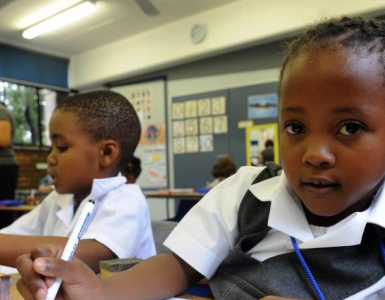
Many school dropouts and other pupils who contemplate to do so in Gauteng have claimed to have been pressured by teachers to leave, according to a research commissioned by the Gauteng Department of Education.

The research and findings into factors contributing to the shocking dropout among grades 10 and 11 leaners, follow recent revelations by Education MEC Matome Chiloane in the Gauteng Provincial Legislature that the province had over 200 000 pupils in grades One to 12 who had dropped out of school during the 2022 academic year. But, questioned further, the MEC could not explain the circumstances surrounding the disappearance of the affected pupils.
Subsequent to the MEC’s revelations, the department conducted a “dipstick” study of 30 secondary schools in Gauteng, which has now provided critical insight into the factors surrounding high school learner attrition between grades 10 and 12.
The study found that, of “the missing” 200 000 grades, 53 935 were of school-going age. In their research, Khulisa Management Services and their BEE partner, Basic Blue Management Consultants asked the following:
- What do learners believe led to their classmates dropping out?
- Who were feeling at risk of dropping out of school and why?
- Who actually dropped out and why?
- When did they drop out and where did the learners go to after they had dropped out?
- What factors did educators and school managers attribute to the dropping out and what did they try to do to mitigate this?
To answer these questions, a total of 15,652 self-administered questionnaires were issued to learners in grades 10-12; 138 dropouts from those schools were interviewed, and 73 interviews were conducted with school staff members (including teachers, principals, deputy principals, and various others) at each of the 30 schools.
This comes after MEC for Education Matome Chiloane in a reply to the provincial legislature said out of 2 513 350 pupils who were enrolled by the department in 2021, only 2 252 291 returned to school during the 2022 academic year.
Interestingly is that because the selection was purposeful, the findings are not generalisable.
In a nutshell, the study reveals:
- Schools do not record where these learners go.
- The peak in enrolment in Grade 10, is caused by excessive repetition and has been referred to by respondents as “The Crisis in Grade 10.”
- Being too old also contributed to learners giving up on school of their own accord.
- Many dropouts and prospective dropouts reported that educators pressure them to leave school. Learners who were too old for their grade were most likely to report being told to go to an ABET Centre or FET College, without information on the exact services and potential benefits of these opportunities or formal referral procedures being followed.
- High tuition fees and geographical distance were reportedly further barriers.
- Allegations also surfaced that schools were intentionally failing learners (especially in grade 10, but also in grade 11) to reduce the likelihood of their reaching and failing matric. There is, researches found, no procedure in place to assess the veracity of these allegations.
Chiloane also added that 135 169 pupils repeated grades in 2021; grade 10 had the highest number of repeaters with 29 795 pupils.
“As part of ensuring that all pupils of school-going age are in the system until they formally exit, the department implements section three of the South African School’s Act 1996, which clearly identifies the compulsory school-going age. The admission policies of the department promote access to schools and discourage discrimination,” he said. He added that as part of the department’s pro-poor policy initiatives, the department also coordinated a school nutrition programme to ensure that pupils from poor communities had access to food, and also provided scholar transport to qualifying pupils.
According to UNICEF, 250,000 learners drop out of school every year in South Africa, with the number rapidly increasing to 750,000 during the COVID-19 pandemic. The reasons behind the high dropout rates included poverty, teenage pregnancy, and lack of access to scholar transport. Meanwhile, DA Gauteng Shadow Education MEC Khume Ramulifho said many schools in the province were in a terrible condition which had resulted in thousands of pupils being lost in the system.
“The number of pupils who have dropped out from schools is concerning because it substantially impacts the future of these pupils who will struggle to find long-term employment as they lack basic skills needed in a workplace. Also, many have dropped out of school while others have been moved to schools with better resources to deliver quality education,” he said.
SIAMESE TWINS CAPTURED HEARTS
CONJOINED: Born to couple in Michigan (US), the baby girls were baptised and confirmed before their passing…
By Francesca Pollio Fenton
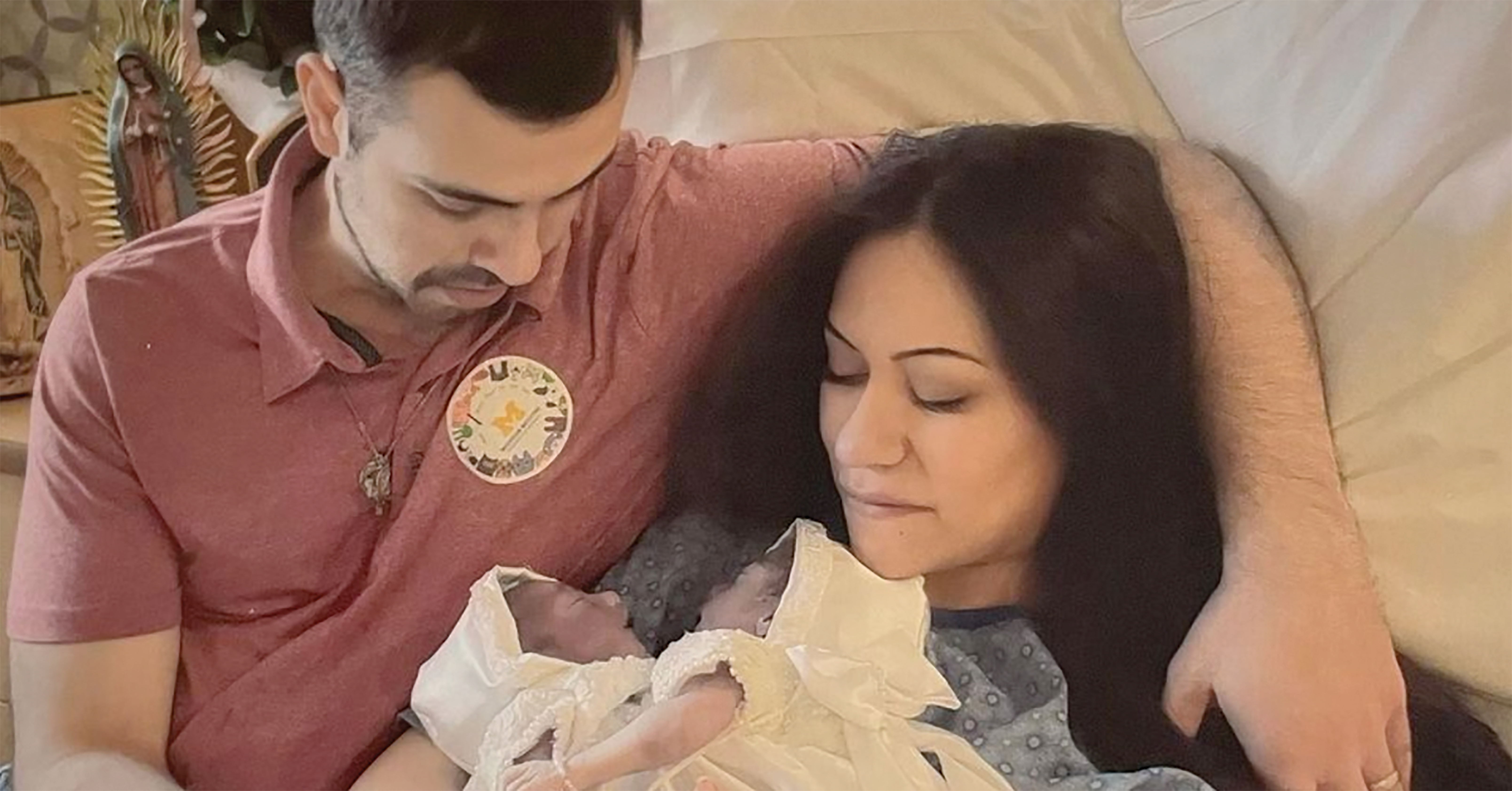
The story of Nicole and Austin LeBlanc, a Catholic couple from Michigan, has captured many hearts. CNA first shared their moving testimony on April 27 after the couple spoke with EWTN News Nightly about their journey after finding out they were expecting conjoined twins.
Siamese twins Rachel Clare and Maria Therese shared one heart and other major organs. The doctors immediately deemed the pregnancy high-risk and suggested termination. However, Nicole said she knew she was carrying two special little girls.
Originally scheduled for a caesarean section in early June, doctors decided to move the surgery because their growth, along with their heart, began to slow down. The LeBlancs met their babies on May 16 at 32 weeks’ gestation.
Both twins Rachel Clare and Maria Therese were born alive and immediately baptised and confirmed. In an Instagram post, Nicole wrote: “They lived for about an hour until they took their last breaths. My girls were loved and held until their final moments and all that they knew their entire lives was love from Austin and I.” “God designed them so beautifully in my womb and it was an absolute honour and privilege to carry them for as long as I could. Their lives have touched so many and the support my family has received has been nothing short of incredible,” she continued.
When the young mother learned of the news, she took to social media to share her journey with others. She decided to share their story as an example of love and hope. The couple shared that it was a test of faith, but through it all they relied on praying the rosary together daily.
“We get together every night and we pray the rosary. That’s one of the biggest things … and just knowing that God has a plan for everything and there’s always a purpose for everything,” Austin said in the interview with EWTN News Nightly.
Several saints and biblical figures also impacted the couples’ faith and inspired the names they chose for their twin girls.
“We definitely want to have our babies be gifts to our Blessed Mother so, Maria, the Latin name for Mary,” Nicole explained. “And I’ve always had a special connection with the Old Testament story of Rachel so, Maria Therese and Rachel Clare.”
Throughout her pregnancy, Nicole received an outpouring of prayers and support from Catholics and non-Catholics alike. In a tweet, Nicole wrote that her baby girls are “now enjoying the splendours of the beatific vision.” – CNA