 WeeklySA_Admin
TWO KEY FIGURES PIVOTAL TO NEGOTIATIONS TO FORGE GOVT OF NATIONAL UNITY…
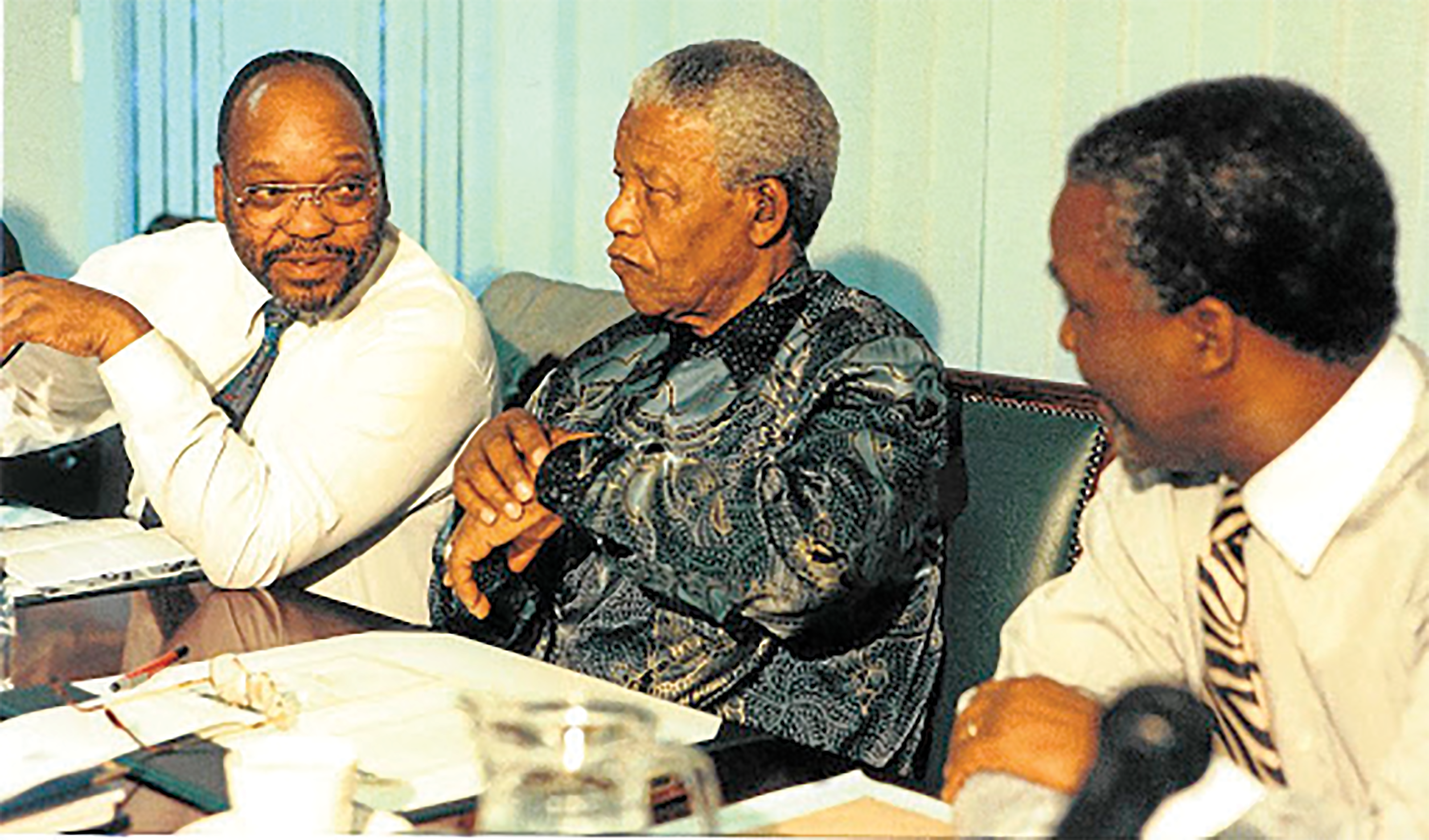
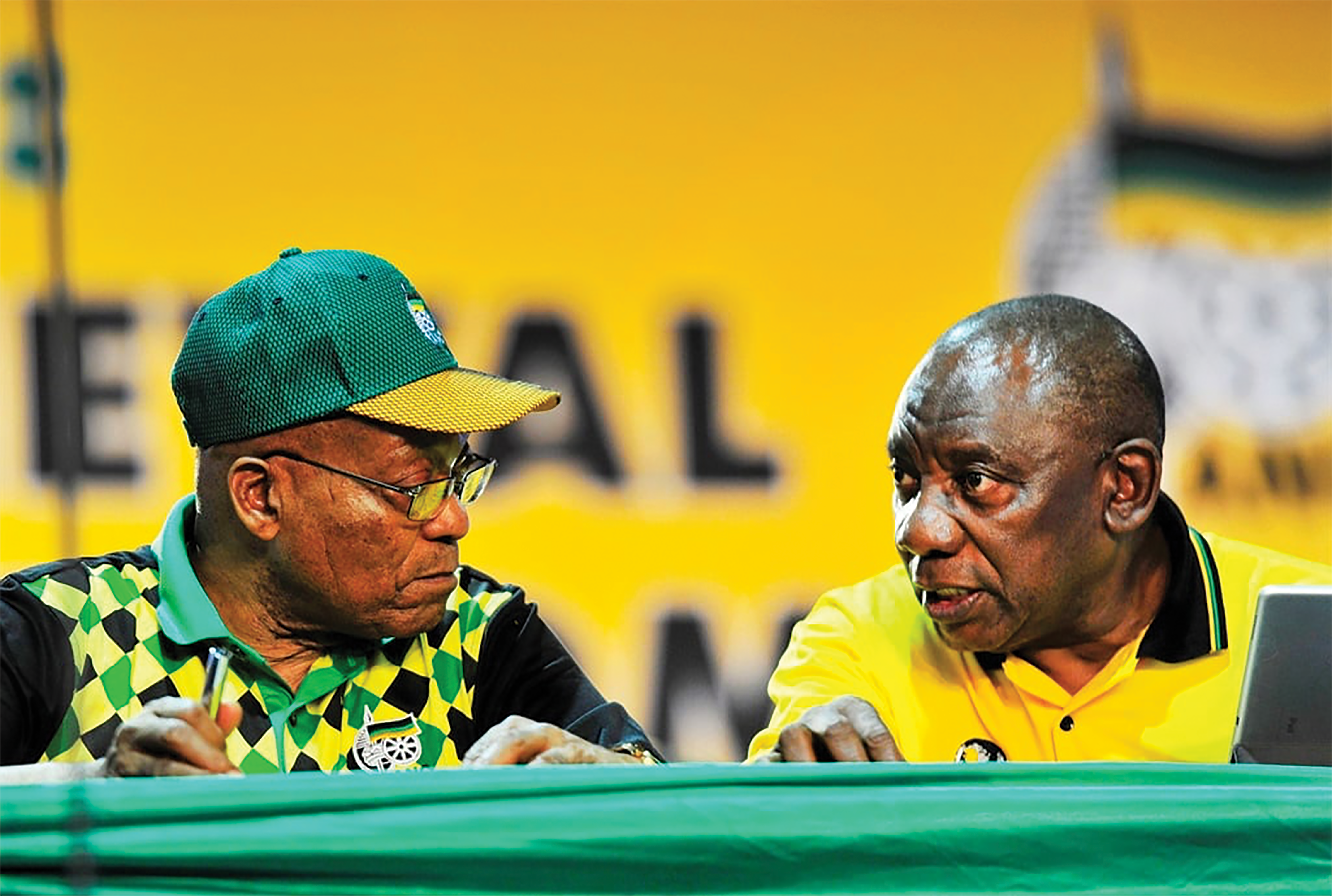
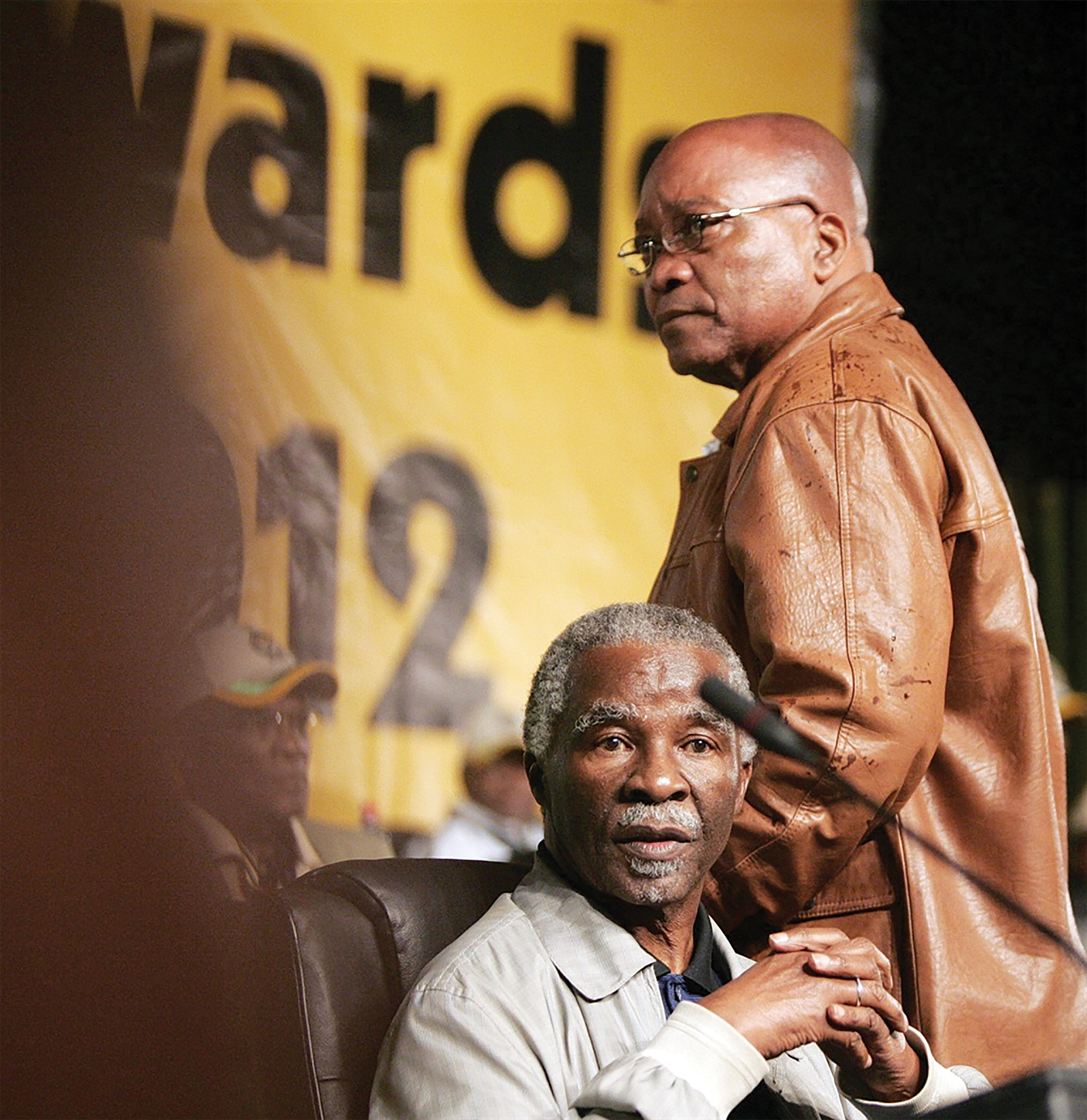
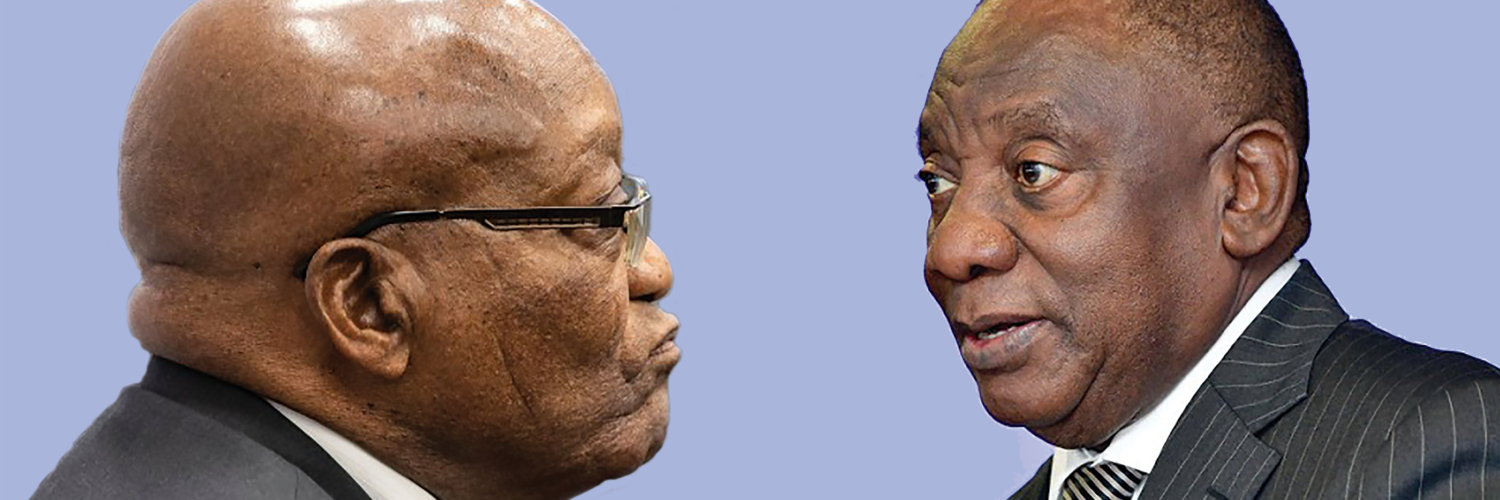
THE CR-JZ X-FACTOR: WILL THEY EVER WORK TOGETHER?
cliffhanger: The frosty relations between President Cyril Ramaphosa and MK Party leader Jacob Zuma poses tense backdrop to the unfolding political scenario leading to the formation of the next government…
By Sy Makaringe
The three decades-long on-and-off political tensions between President Cyril Ramaphosa and his predecessor, Jacob Zuma, appear to have reached fever pitch as the latter seeks to inflict the final blow on his successor and thwarts his ambitions to serve a second term as South Africa’s president.
As the fallout between the country’s two powerful political figures plays out amid the unfolding developments leading the formation of the Government of National Unity (GNU) proposed by the ruling party, and permutations thereof, the big question is, what will be final outcome pending the current flurry of negotiations?
South Africa’s third largest political party, following last Wednesday’s election, uMkhonto we Sizwe (MK) Party, of which Zuma is the leader, has confirmed it has had engagements with the ANC, SABC reports.
This after the ruling party had earlier said it had not received any positive response from the MK Party. The ANC has been courting several political parties in hopes of forming a GNU.
On the other hand, the Democratic Alliance (DA) says it will only agree to be part of the proposed GNU if the MK Party, Economic Freedom Fighters (EFF), and Patriotic Alliance (PA) are excluded.
Meantime, the Economic Freedom Fighters (EFF) has rejected the ANC’s proposal of a GNU if it encompasses the DA and Freedom Front Plus.
But the Inkatha Freedom Party (IFP) has committed to further engaging with the ANC and other parties on the formation of government.
Whatever the final outcome, the eyes are still on whether Ramaphosa and Zuma will bury the hatchet to work together to be part of the GNU – and especially given the suspense over their ongoing tensions, which is already spicing things, and how this will impact on the multi-party negotiations.
Will the current scenario of brinkmanship ultimately force one side or sides to compromise? Who will succeed? Who will blink first?
Meanwhile, the following timeline, in which WSAM traces defining developments involving the two protagonists in the past four decades, serves only to prime the observer to join the dots …
December 1975, Eswatini
After serving a 10-year sentence on Robben Island for attempting to overthrow the state, Jacob Zuma goes into exile in Eswatini. He secretly re-enters South Africa to re-establish contacts with Durban-based guerillas.
March 1976, Eswatini
Zuma, Thabo Mbeki and Albert Dlomo are arrested by Swazi police and detained at Matsapa Prison. Oliver Tambo intervenes and Zuma dodges deportation to his home country South Africa. In April he is deported to Mozambique by Eswatini authorities instead.
June 1976 onwards, Maputo, Mozambique
Zuma welcomes throngs of black South African youths who had fled the country in the wake of the June 16 Soweto uprising. These youths include 23-year-old Tom Moyane and a strong friendship develops between them despite their 11-year age difference.
June 1976, South Africa
Cyril Ramaphosa is arrested and spends six months in detention following the June 16 Soweto riots.
September 4 1981, Maputo, Mozambique
Nhlamulo Ndhlela is born. He is the son of Joe Ndhlela, Moyane’s brother, well known for his roles as an executive at Transnet and CEO of the Premier Soccer League.
May 20 1982, Maputo, Mozambique
Zuma’s wife, Kate Mantsho (now deceased), gives birth to twins, Duduzane and Duduzile Zuma. The three children practically grow up together as both their families are very close.
1982, South Africa
Ramaphosa, James Motlatsi and Elijah Barayi form the National Union of Mineworkers (NUM) to challenge the apartheid establishment from the labour front.
1987, Lusaka, Zambia
Zuma resurfaces at the ANC’s headquarters in Lusaka, where he assumes the role of head of the organisation’s underground structures.
January 1990, South Africa
Ramaphosa is appointed chairperson of the National Reception Committee in preparation of the release of Nelson Mandela from Victor Verster Prison in the Western Cape.
March 1990, South Africa
Zuma returns to South Africa with Mathews Phosa and Penuel Maduna after the unbanning of the ANC to tie up the loose ends of the negotiations between the organisation and the National Party government that had started much earlier.
August 1990
While Zuma, Nelson Mandela and Thabo Mbeki are abroad, Ramaphosa convenes a special national working committee meeting and fires Zuma as head of ANC intelligence. He (Ramaphosa) replaces Mbeki as head of the ANC’s negotiating team. Zuma hears of the sackings on BBC and rushes to Mandela and Mbeki to tell them what the “new guy” had done.
December 1991, Durban
Ramaphosa is elected as secretary general of the ANC at the organisation’s first elective conference held in the country since its unbanning a year earlier. Zuma is elected as his deputy. Zuma is not too happy about this as he considers Ramaphosa to be his struggle junior but accepts the democratic outcome anyway.
May 10 1994, Cape Town
Mandela is elected President of South Africa. Mandela appoints Mbeki as his deputy, overlooking Ramaphosa, his deemed favourite. To the astonishment of many, Ramaphosa shuns Mandela’s inauguration.
May 24 1994, South Africa
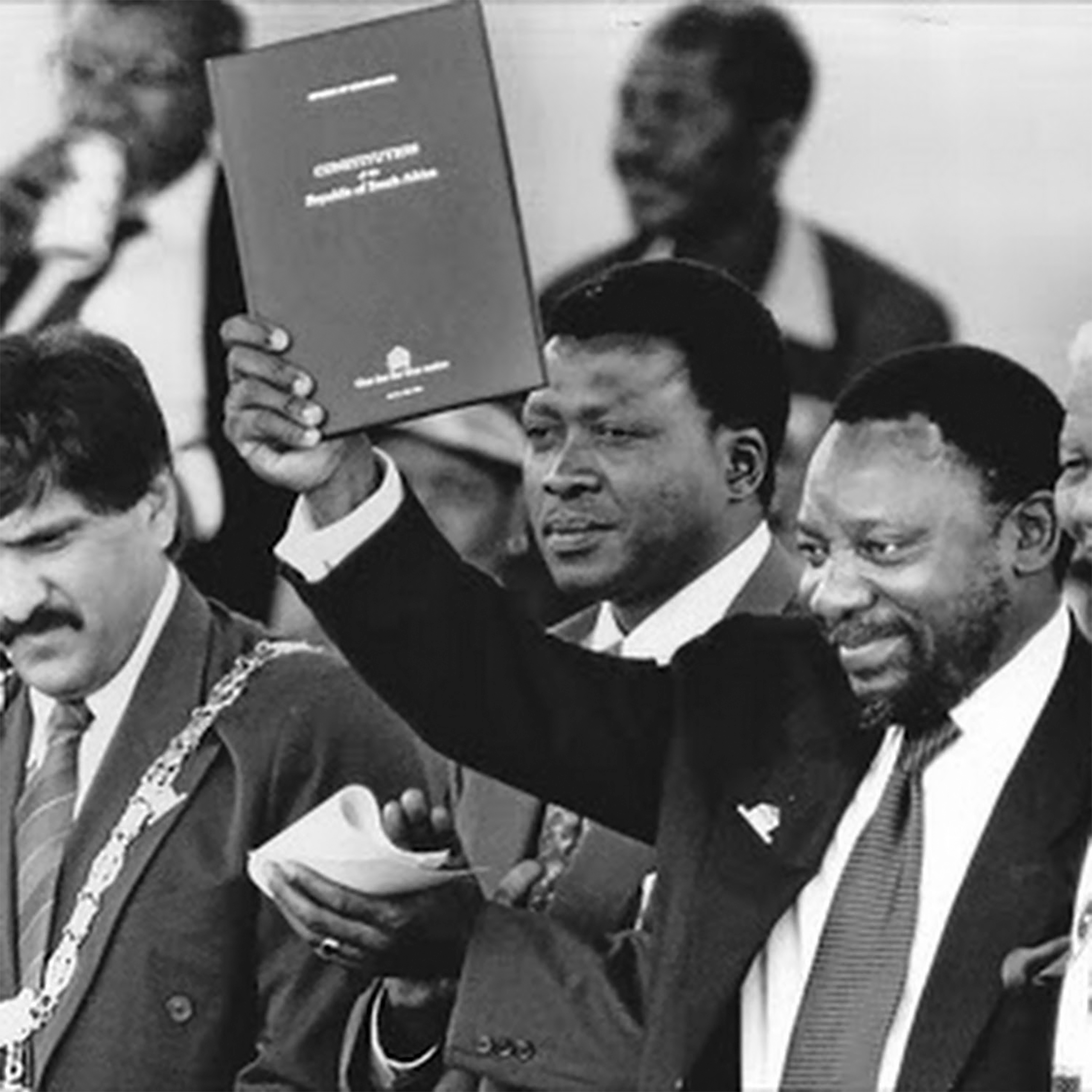
Despite this, Mandela appoints Ramaphosa as the chairperson of the Constitutional Assembly to oversee the drafting of South Africa’s Constitution. Ramaphosa also plays a key role in Mandela’s government of national unity. After the completion of the two-year project, Ramaphosa exits the political space to go into business.
December 1994, Bloemfontein
Zuma is elected chairperson of the ANC.
2001, Johannesburg
Ramaphosa establishes the Shanduka Group, a black-owned investment company and stays outside politics glare for over a decade. But he remains a member of the ANC’s national executive committee.
June 14 2005, Cape Town
Mbeki fires Zuma as his deputy during a special sitting of the two houses of parliament two weeks after the latter was implicated in corruption in the trial of Schabir Shaik in the Durban High Court over the arms deal scandal. But Zuma retains his ANC deputy president position.
December 2007, Polokwane
Zuma unleashes a devastating revenge attack against Mbeki, thrashing him at the ANC’s Polokwane elective conference to become the party’s president. Shortly thereafter, Mbeki is recalled.
May 9 2009
Zuma is elected South Africa’s head of state.
2012, South Africa
Ramaphosa is chosen as ANC president Zuma’s preferred running mate to counter Kgalema Motlanthe’s presidential challenge ahead of the party’s 2012 elective conference in Mangaung, Free State. He is promised he will succeed Zuma when the latter’s second term as state president ends. Zuma is re-elected and Ramaphosa becomes his deputy.
2014, South Africa
Ramaphosa is elected South Africa’s deputy president. In September Zuma controversially appoints his old and loyal friend, Tom Moyane, a development economist, as head of the South African Revenue Service (SARS). More than 55 senior SARS executives are purged soon thereafter.
2016, South Africa
During Moyane’s term as SARS commissioner, Lekgotla Trifecta Collections, a consortium in which Nhlamulo Ndhlela’s Lekgotla Outsourcing was part, is awarded a R220 million debt collection tender. Ndhlela had failed to declare a conflict of interest and Tom Moyane played ignorant. The tender is cancelled. There are not too many happy faces in the Zuma and Moyane households.
December 2017, Nasrec, outside Soweto
Ramaphosa narrowly defeats Zuma’s ex-wife, Nkosazana Dlamini-Zuma, to become the 13th ANC’s president at the party’s 54th elective conference. Zuma’s disappointment with the results is palpable as he had lobbied hard for her to succeed him. Zuma and his cohorts had clearly not kept their promise to Ramaphosa, otherwise they would not have made him sweat so much for this victory. Zuma was later to claim Ramaphosa was not his preferred running mate after all, saying he was imposed on him “by other comrades”.
February 14 2018
Zuma is forced to resign as president of South Africa on Valentine’s Day and Ramaphosa succeeds him. Zuma was later to blame Ramaphosa for his premature exit.
May 20 2018
Three months into his term, Ramaphosa suspends Tom Moyane pending disciplinary proceedings against him. He appoints a commission of inquiry under the chairmanship of Judge Robert Nugent to investigate governance breaches at the tax service.
November 2 2018, Pretoria
Ramaphosa fires Moyane after Judge Nugent recommended he be immediately removed report “to forestall any further deterioration of the tax service”. This came even before the release of the final report. Moyane was one the first Zuma protégés to be axed by Ramaphosa, who had entered the Presidency on “the good guy” ticket. Other include Nomcobo Jiba, Ace Magashule, Brian Molefe, Matshela Koko, Carl Niehaus, etc, even though some were not by his direct hand.
December 11 2018, Johannesburg
Judge Nugent releases a damning 200-page report on governance issues at SARS that seals Moyane’s fate. The Zuma and Moyane families are distraught.
July 7 2021, Escourt
Zuma starts his 15-month sentence at the Estcourt Correctional Services facility in KwaZulu-Natal after he was found guilty of contempt in relation to his failure to complete his appearance at the Zondo Commission of Inquiry into State Capture. He blames Ramaphosa for his woes.
July 9 2021
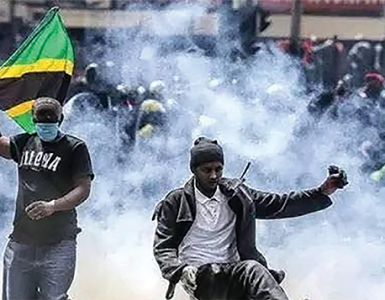
Zuma’s incarceration sparks widespread unrest in KwaZulu-Natal and Gauteng, leading to the deaths of more than 350 people and the torching and looting of dozens of shopping malls in the two provinces, causing damage running into billions of rands. Many people lose their jobs, some permanently. Duduzile Zuma-Sambudla uploads a video of gunfire directed at a poster of Ramaphosa.
September 9 2021
Correctional Services commissioner Arthur Fraser, a Zuma ally with whom he was implicated in the abuse of funds while he was serving as director general in the State Security Agency, frees the former president from jail on medical parole in defiance of the parole board’s decision.
June 1 2022
Fraser, whom Ramaphosa had transferred from the State Security Agency to Correctional Service soon after he took power, lays a criminal charge against the president at the Rosebank police station, Johannesburg, for allegedly concealing the theft of thousands of US dollars at his Phala Phala game farm in Limpopo two years ago. The timing is critical because this is six months before the ANC’s 55th elective conference at which Ramaphosa was going to seek re-election. Ramaphosa’s approval ratings plummet and his “good guy” image is irreparably harmed. Observers believe Fraser’s action have hallmarks of Zuma’s hidden hand. The Phala Phala saga has been around Ramaphosa’s neck ever since.
December 2022
Zuma attempts to privately prosecute Ramaphosa, claiming he was an accessory to the alleged leaking and disclosure by prosecutor Billy Downer of his confidential medical records to New24 legal journalist Karyn Maughan. The private prosecution bid fails. Had it succeeded, Ramaphosa would have been compelled to resign his positions in line with the ANC’s so-called step-aside rule on the eve of the party’s 55th conference.
December 16 2022, Nasrec
Amid ululations and boisterous singing, Zuma makes a grand entrance at the ANC’s 55th elective conference surrounded by bodyguards and an army of supporters just as Ramaphosa was about to start delivering his opening address, delaying the speech by a good two minutes. Despite being an ex-officio member, Zuma does not take his seat the podium, electing instead to sit with ordinary members of his Nkandla branch. But Ramaphosa wins the day as Zweli Mkhize, his rival and Zuma and KwaZulu-Natal’s favourite presidential candidate, loses by 597 votes.
December 16 2023, Soweto
Speaking at a packed YMCA Hall in Orlando East, Soweto, exactly a year later, on the 62nd anniversary of the ANC’s since iced military wing, Umkhonto we Sizwe (Spear of the Nation), announces he will not vote for the ANC in the upcoming 2024 general elections but will instead campaign for the newly established Umkhonto we Sizwe Party. He says the “ANC of Ramaphosa” was a proxy to white monopoly capital. At his side is his daughter, Duduzile, who read part of the speech on his behalf. From then on she, her father and the party’s spokesperson, Nhlamulo Ndhlela, form the 1980s Mozambican Connection to mount a spirited three-pronged attack against the “ANC of Ramaphosa” from every public platform they can get.
March 26 2024, Electoral Court, Bloemfontein
ANC fails in its attempt to deregister the name Umkhonto we Sizwe Party and keep it off the ballot. MKP 1, ANC 0.
April 22 2024, Durban High Court
The ANC loses the legal battle to stop the MK Party from using the name and logo of its former military wing. MKP 2, ANC 0. The ANC says it will appeal the decision.
May 31 2024
Two days after the ANC failed to get an outright majority in the 2024 general elections, the MK Party’s Mozambican Connection of Jacob Zuma, Duduzile Zuma-Sambudla and Nhlamulo Ndhlela says the MK Partynwill only consider coalition negotiations with the ANC if the party axes Ramaphosa.
June 7 2024
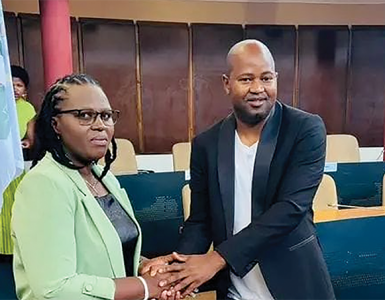
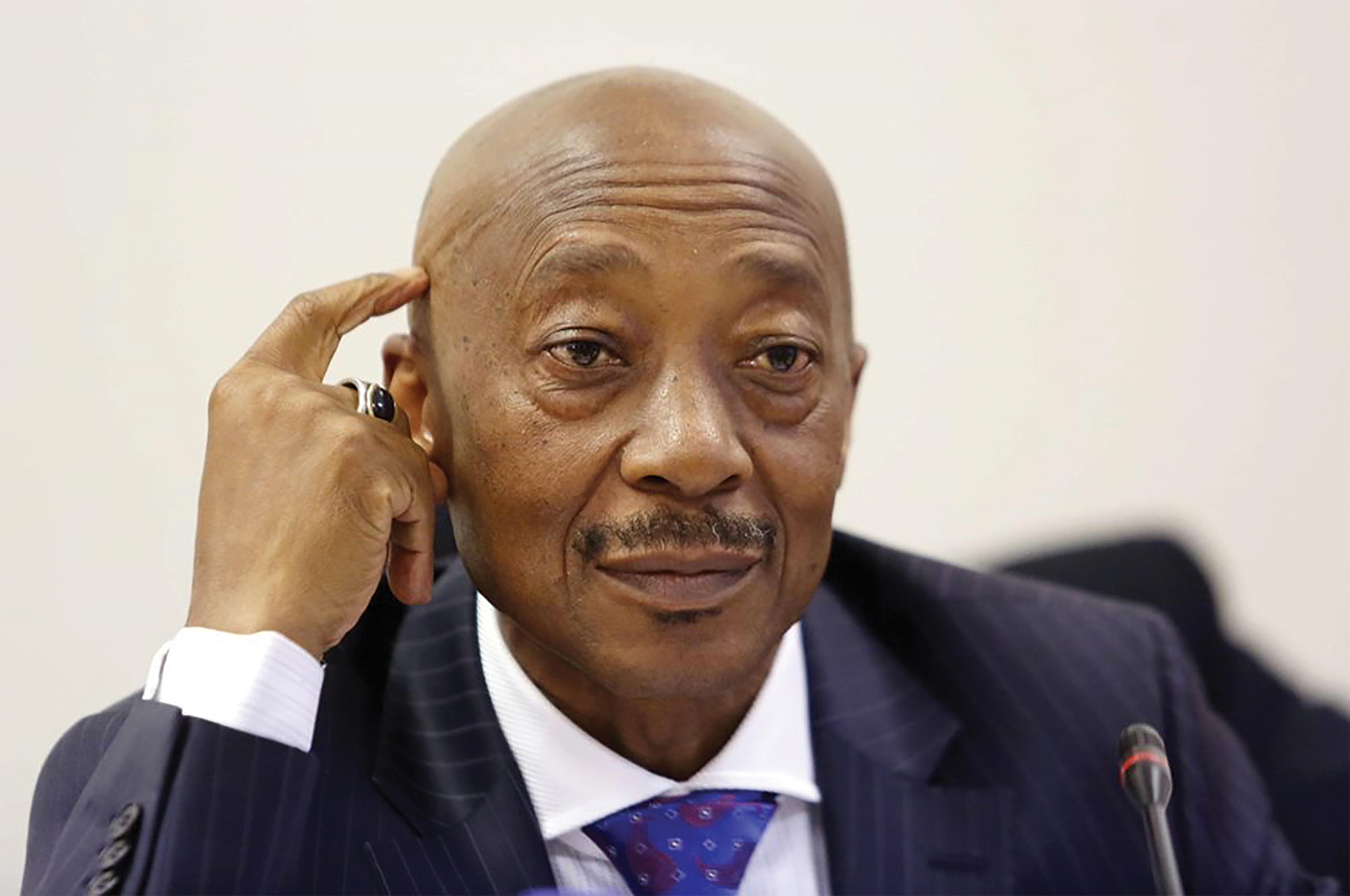
Tom Moyane, who was axed as SARS commissioner by Ramaphosa five years ago, emerges from the shadows as one of the MKP Party’s chief coalition negotiators. He completes the 1980s Mozambican Connection, if one excludes the Dubai-based Duduzane Zuma. The wheel has come full circle.