 WeeklySA_Admin
Many living in informal settlements battle to keep head above water after ruinous Cape floods
CAPE WOMEN’S SURVIVAL BATTLES AMID FLOOD CHAOS
HARDEST-HIT: Study reveals struggles of vulnerable women in Khayelitsha during storms that bring total breakdown of lives at informal settlements…
By Niémah Davids
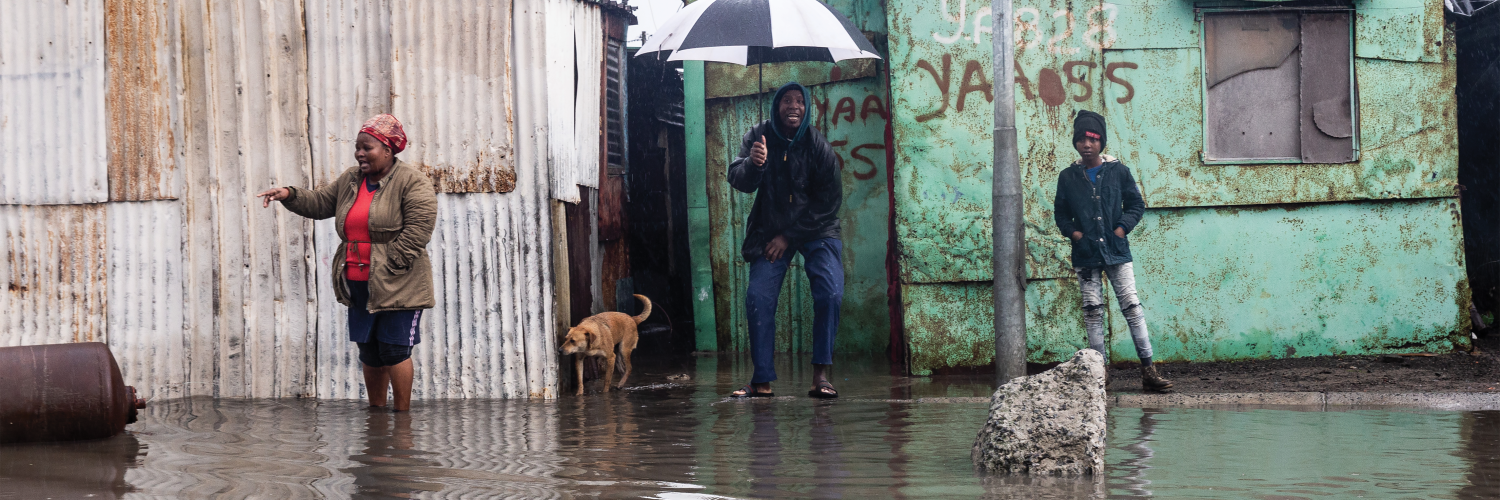
A study has uncovered the unbearable plight of women in the Cape Town township of Khayelitsha during floods which wreak havoc upon their lives and that of their families.
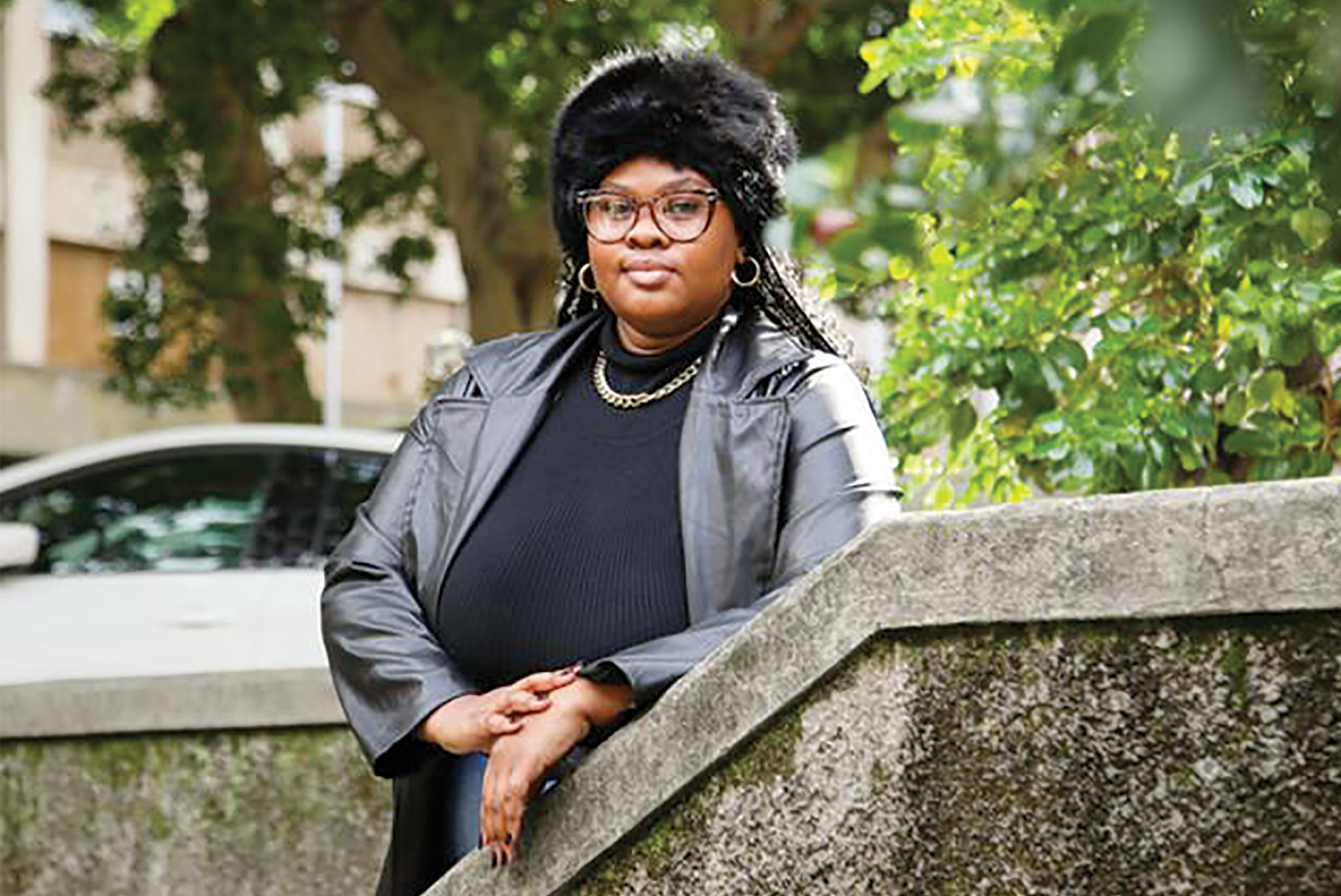
The study is the brainchild of Palesa Base, a research assistant at the University of Cape Town’s (UCT) African Climate and Development Initiative (ACDI), who is conducting it as part of her honours research in environmental and geographical science. It was made feasible by working together with the Informal Settlement Network and the Community OrganiSation Resource Centre, two non-profit organisations.
“I’ve sat pensive a few times this week thinking [about] just how much those women who participated in this research study have been affected by this storm. We see in the news that Khayelitsha is one of the communities hardest hit by the rain. It always is, which is why I made women there the focal point of this study,” Base said.
Base’s work forms part of a broader and ongoing set of research studies into understanding the impact and effect of climate change, with a particular focus on flooding in Cape Town.
Flooding is widely recognised as a consequence of climate change, and Cape Town has seen a significant increase in the frequency of flood events. Research shows that those living in informal settlements on the city’s outskirts are often the most impacted.
Base chose to focus her research on women because of their complex roles in the home and in the community. They juggle many responsibilities, serving as primary caregivers, sole breadwinners, and often managing numerous tasks alone. She wanted to understand the specific impact that floods have on their lives.
Her research study, titled: “Understanding the gendered and intersectional impacts of flooding on women living in the Emsindweni informal settlement”, surveyed 14 women from the community, who openly shared their experiences as residents of an informal settlement at risk of flooding.
During focus group discussions, Base said participants grouped the impact of flooding into three key categories: economic (the impact on their livelihoods), health (the impact on their health and well-being) and social (the impact on their homes, the way they live and their relationships).
“While flood disasters don’t discriminate based on gender, it’s a fact that disasters like this disproportionately impact women. And different groups of women, who experience varying degrees of vulnerability, experience it differently,” Base said.
Base noted that most women living in Emsindweni participate in informal trading and run small businesses from their homes. When flood occurs, it brings everything to a standstill, leading to a loss of income and increased financial instability.
“Flooding leads to significant destruction of homes and personal belongings, which also leads to loss in income and prolonged periods without an income,” Base said. “The damage caused by flooding also often means that these women need to relocate their homes temporarily. This further interrupts their daily activities to earn an income and substantially reduces the overall daily household income.”
The ripple effect extends further. Without access to personal or business insurance plans or savings accounts, replacing items lost in floods is nearly impossible. Base added that this exacerbates the financial strain they already face.
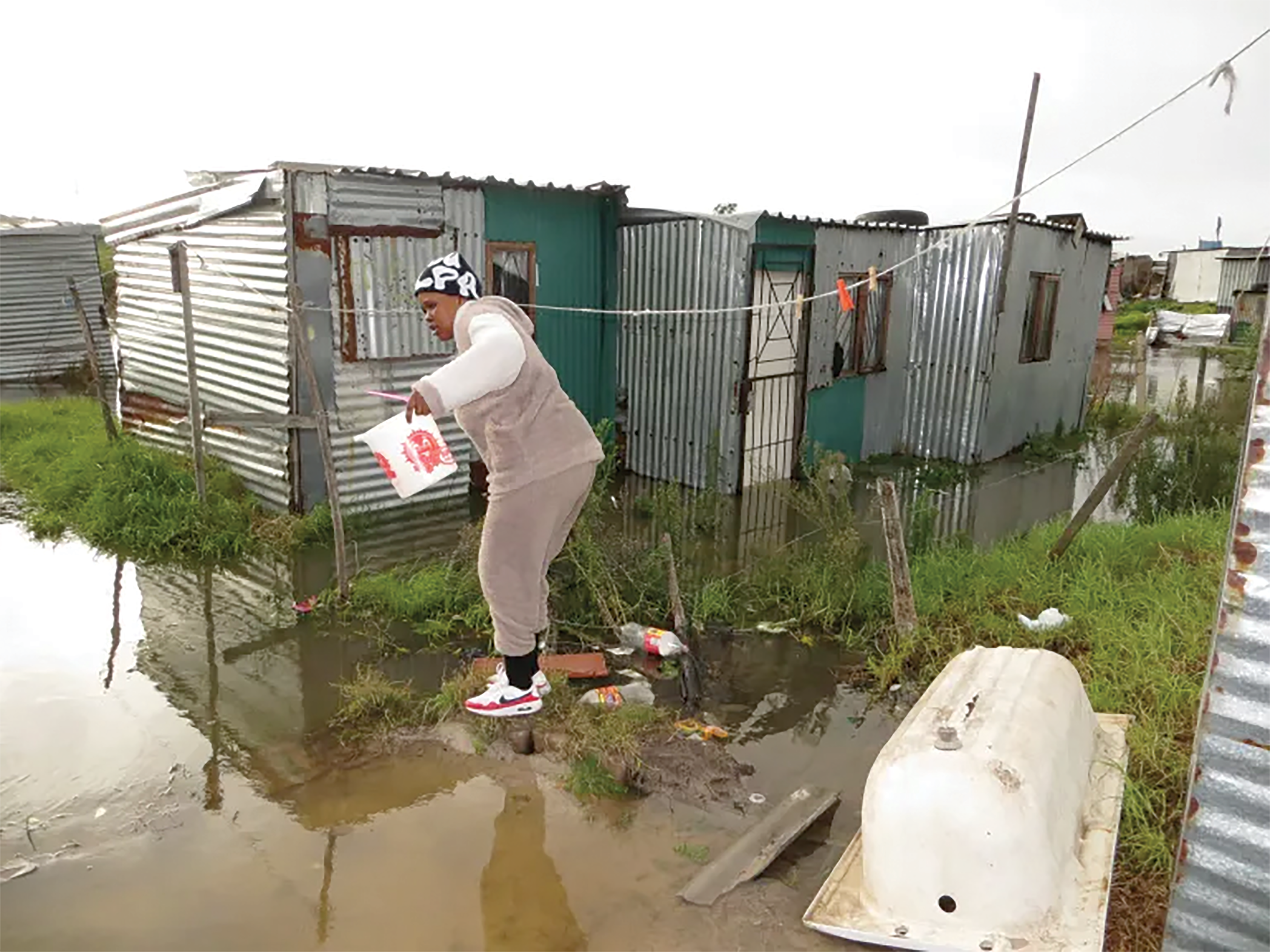
The impact on their health is especially devastating. It’s no surprise that Base’s research found that women are overwhelmed during floods. The lack of clean running water and inadequate sanitation (also contaminated during flooding) make using the toilet a daunting task and increases the risk of contracting water-borne diseases like cholera and other viral and bacterial infections.
“The situation is dire. We just need to picture it. Floodwater leads to overflowed communal sanitation facilities and that renders them unusable. This means women are forced to use open defecation or makeshift facilities, which strips them of their dignity and increases the risk of diseases and genital infections,” she said.
Similarly, during menstruation, Base said, women reported that they had zero comforts to ensure that they were comfortable and that their hygiene needs were met. This exacerbated the stigma associated with menstruation and led to feelings of embarrassment, which affected their mental health.
With so much to contend with, Base said women were overextended and exhausted. Their crucial role in and around the home had become too much to handle, especially during extreme circumstances (like flooding), when too much responsibility rested squarely on their shoulders.
“Women often need to take on additional responsibilities during floods like securing clean water and ensuring their families are safe as they move to higher ground. This increases the burden. Then, there are tasks like maintaining household cleanliness and caring for family members and children in the home, which also fall on them, even when men are present. This leads to physical and mental exhaustion,” she said.
“All this exacerbates their vulnerabilities and limits their ability to cope and adapt to flood risks. The women have spoken. They need support, they need help and how they feel should not be overlooked.”
Base said it was crucial to adopt nuanced, multifaceted approaches that considered the diverse experiences and identities of women living in the community to adequately address flood risks in the Emsindweni informal settlement. This includes introducing comprehensive, inclusive policies that recognise and respond to their needs and vulnerabilities.
“It is clear that flooding has a severe impact on women living in this informal settlement and their health, economic and social statuses are deeply affected,” she said. “It’s important that we plug this gap to build strong ties between community organisations and government to improve adaptive capacities and the lives of women.”
“Where we are now, there is a significant gap when it comes to institutional support from local government and other agencies. It’s important that we plug this gap to build strong ties between community organisations and government to improve adaptive capacities and the lives of women.” – UCT News