 WeeklySA_Admin
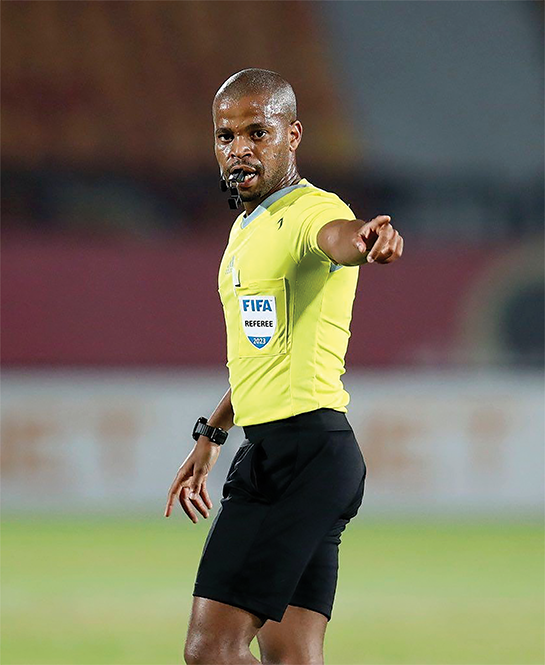
SHOWPIECE: South Africa’s Abongile Tom flies the national flag as FIFA names its largest-ever pool of match officials, with traditional powerhouses dominating the referee ranks for the expanded 2026 World Cup…
By WSAM Sports Correspondent
FIFA has unveiled a historic roster of match officials for the 2026 FIFA World Cup, confirming a record-breaking cohort that reflects both the scale of the tournament and the growing global depth of officiating talent.
A total of 52 referees, 88 assistant referees and 30 video match officials have been selected from across all six confederations and 50 member associations, marking the most extensive officiating team in World Cup history.
For South Africa, the spotlight falls squarely on Abongile Tom, the country’s sole representative among the referees — a significant personal milestone and a moment of national pride as the global showpiece heads to North America.
A lone flag-bearer
Abongile’s inclusion places him among the elite referees in world football, following years of consistent performances on both the domestic and international stage. His appointment underscores FIFA’s emphasis on “quality and consistency” in selecting officials, with candidates monitored over a three-year cycle.
While South Africa’s presence is limited to a single referee, the selection reflects the competitive nature of officiating at this level — where only the very best are entrusted with the game’s biggest stage.
The 2026 edition will be the largest in history, featuring 48 teams and 104 matches, placing greater demands than ever on referees and support officials.
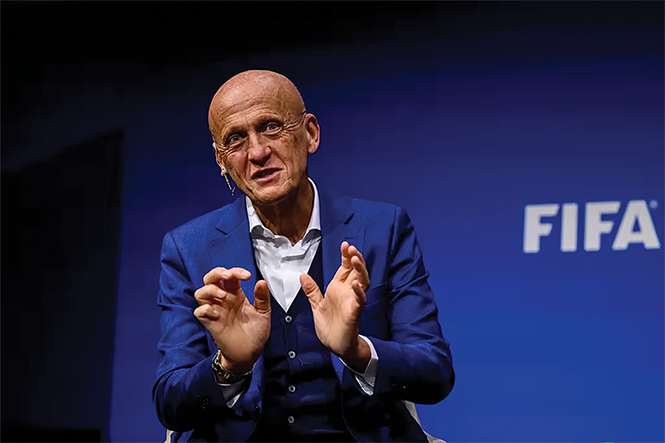
FIFA’s head of refereeing, Pierluigi Collina, emphasised that the chosen officials have undergone rigorous preparation, including seminars, performance tracking, and fitness programmes, to ensure they are ready for the tournament’s intensity.
Technology will also play a bigger role, with enhancements including:
• Advanced semi-automated offside technology
• Connected ball systems
• Referee body cameras offering fans a live, on-field perspective
An analysis of the official list of match officials reveals a familiar pattern: while representation is broad, traditional football powerhouses dominate the numbers.
From the list of referees and assistant referees, the Top Five countries with the strongest officiating presence include:
• Brazil – consistently producing top-tier referees across roles
• Argentina – strong representation in both refereeing and VAR
• United States – boosted by host nation status and growing officiating structures
• England – long-established officiating pedigree
• Spain – technical expertise reflected in both on-field and VAR officials
These nations benefit from highly structured domestic leagues, advanced training systems, and regular exposure to elite competitions — advantages that continue to translate into World Cup appointments.
Collina said: “The selected match officials are the very best in the world. They were part of a wider pool of officials that was identified and monitored over the past three years. They have attended seminars and officiated at FIFA tournaments.
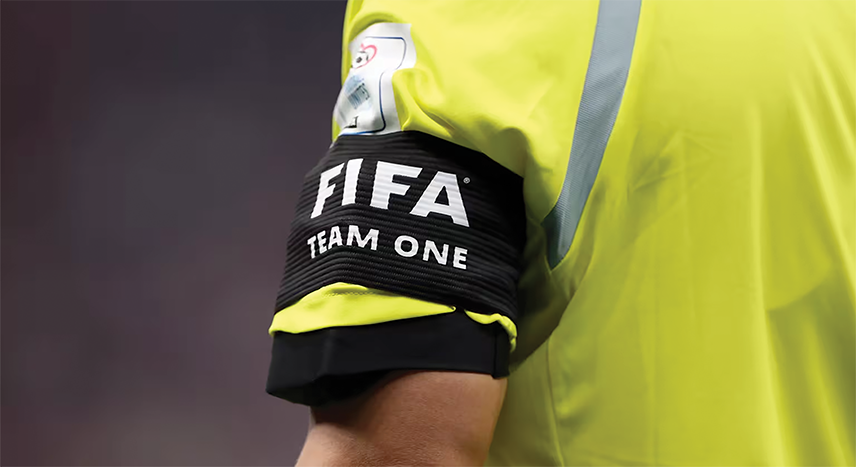
“This year’s FIFA World Cup will be the biggest in history, with a 48-team line-up and 104 matches to be contested across the most extensive geographical footprint in the tournament’s history,” Collina continued. “It’ll be the largest FIFA Team One ever, with 41 more match officials than at Qatar 2022”.
Africa’s footprint
Africa remains well represented across the broader officiating pool, with referees and assistants drawn from countries including Morocco, Algeria, Egypt, Senegal, and Gabon. However, the continent’s presence at the elite referee level remains comparatively limited — making Abongile’s selection even more significant.
Abongile’s appointment to the FIFA World Cup comes on the back of a strong showing at the recent Africa Cup of Nations in Morocco, where he further cemented his reputation as one of the continent’s most reliable officials. At that tournament, Abongile was entrusted with multiple fixtures, officiating three matches, including high-pressure knockout-stage involvement — a clear indication of the confidence CAF has placed in his decision-making and composure.
His progression from AFCON duty to the World Cup stage reflects a steady upward trajectory built on consistency, fitness, and authority on the pitch. In many ways, Morocco served as a proving ground, and his performances there have now been rewarded with football’s ultimate refereeing honour — placing him among the elite few tasked with managing the global game at its highest level.
The road ahead
All selected officials will assemble in Miami at the end of May for an intensive pre-tournament seminar before dispersing to match venues across the United States, Canada and Mexico.
With the stakes higher than ever and the world watching, FIFA’s expanded “Team One” will be tasked with ensuring that the 2026 World Cup is not only the biggest — but also one of the best officiated in history.
For South Africa, all eyes will be on Abongile — carrying the whistle, and the nation’s hopes, onto football’s grandest stage.